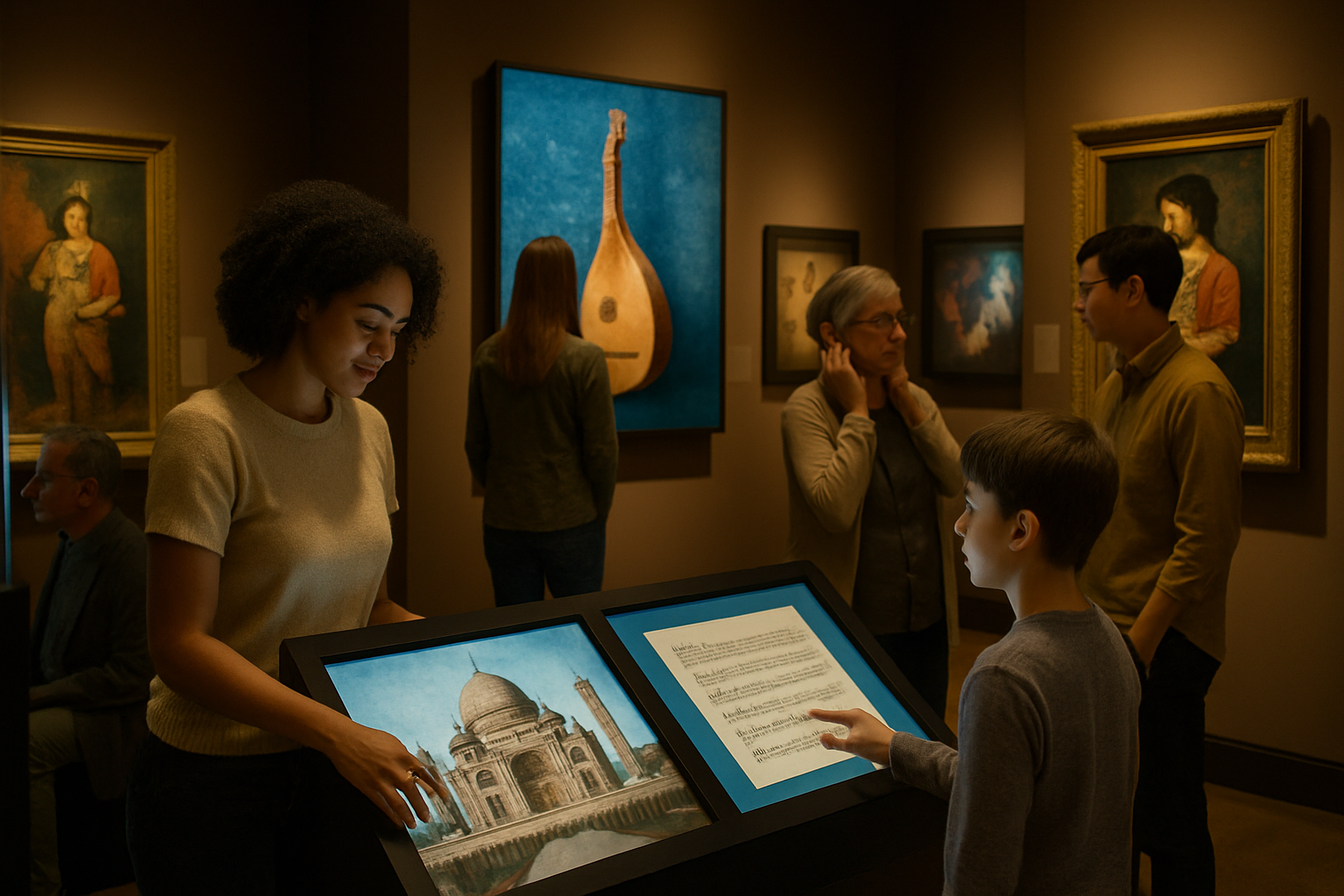
From Vienna's architectural legacy exhibitions to Greece's digital heritage platforms, museums worldwide are spearheading a cultural renaissance that seamlessly blends traditional preservation with technological innovation, transforming how visitors engage with cultural heritage in 2026.
A comprehensive analysis of new museum exhibitions and cultural programs across Austria, Azerbaijan, Cyprus, and Greece reveals unprecedented international coordination in heritage stewardship, marking the continuation of the global cultural renaissance that began in February 2026.
Austria Leads Architectural Heritage Innovation
Vienna's Architekturzentrum is preparing to unveil "Global – Neutral. Architektur aus Österreich in Afrika und Asien 1955–1989," a groundbreaking exhibition examining Austria's architectural contributions to Africa and Asia during the Cold War era. The exhibition, opening April 15 with a press conference at 11:00 AM followed by an evening reception, represents a sophisticated examination of architectural diplomacy and cultural exchange.
Simultaneously, Austria is celebrating its musical heritage through innovative digital initiatives. The new Crypto stamp "Vienna - City of Music" celebrates Vienna as the stage for great musical moments, demonstrating how traditional cultural assets can be reimagined through contemporary blockchain technology while maintaining their essential cultural significance.
"Vienna has always been a crossroads of cultural innovation, and these exhibitions show how we can honor our heritage while embracing new technologies to reach global audiences."
— Architekturzentrum Wien representative
Azerbaijan Expands International Cultural Networks
The Azerbaijan National Carpet Museum is strengthening cultural diplomacy through its partnership expansion with Kazakhstan. A high-level museum delegation's official visit to Kazakhstan demonstrates how cultural institutions are becoming central players in international relations, using traditional artforms as bridges between nations.
This initiative builds on Azerbaijan's strategic positioning as a cultural bridge between Eastern and Western traditions, part of a broader pattern of nations leveraging authentic cultural programming for diplomatic and economic benefits.
Cyprus Pioneers Interactive Arts Education
The Cyprus Museum in Nicosia has launched an innovative educational program that brings together children and contemporary artists in meaningful dialogue. The "Artist Talks for Kids x The Cyprus Museum" program, running from spring through July, targets children aged 6-12 and creates unprecedented opportunities for young people to engage with both archaeological exhibits and contemporary artistic practices.
The program's structure draws inspiration from archaeological objects depicting animals, using a multidisciplinary and multimedia exploration approach. This methodology represents a fundamental shift from traditional museum education toward dynamic, community-engaged programming that serves multiple educational and cultural objectives simultaneously.
Greece Revolutionizes Digital Heritage Access
Greece has achieved a significant milestone in digital heritage preservation with the installation of the Hellenic Heritage platform's Digital Guide at the Museum of Modern Greek Culture. The sophisticated digital navigation system covers ten exhibition sections of the museum's permanent collection, representing a comprehensive approach to making cultural heritage globally accessible while maintaining local ownership and spiritual significance.
This technology integration exemplifies the successful synthesis of tradition and innovation that characterizes the 2026 cultural renaissance, where digital tools amplify rather than replace authentic cultural expression.
Global Patterns and Success Factors
Analysis of these developments reveals several key patterns driving the current cultural renaissance:
- Technology Enhancement, Not Replacement: Digital platforms create global communities around traditional crafts while maintaining community ownership and spiritual significance
- Community-Centered Programming: Successful initiatives emerge from communities with institutional support facilitating rather than directing programming
- Economic Multiplier Effects: Cultural tourism, creative industry employment, and enhanced international recognition create sustainable funding models
- International Cooperation: Resource sharing enables smaller communities to access expertise while contributing innovations to global knowledge networks
Economic and Diplomatic Impact
The cultural initiatives documented across these four nations are generating substantial economic benefits beyond immediate programming costs. Museums report increased visitor numbers, extended stays, and enhanced international media attention. More significantly, these programs are creating lasting cultural infrastructure including performance networks, artistic collaborations, and year-round community organizations.
Countries investing in authentic cultural programming are experiencing competitive advantages in international diplomacy, enhanced global recognition, and strengthened community resilience. Culture is increasingly positioned as essential infrastructure equivalent to transportation, communication, and healthcare systems.
Addressing Contemporary Challenges
The current cultural renaissance occurs amid significant challenges including climate change threats to heritage sites, economic pressures affecting youth participation in traditional arts, and competition from digital entertainment. Successful programs demonstrate mature responses that view technological and social changes as opportunities for evolution while maintaining essential cultural functions.
Adaptive strategies emphasize community ownership ensuring sustainability, resource sharing through international cooperation, and technology extending reach while preserving authenticity. These approaches create sustainable models that serve community needs while achieving international recognition.
Future Implications
The April 2026 developments establish precedents for 21st-century cultural stewardship that successfully balances innovation with tradition, local authenticity with global cooperation, and economic viability with cultural integrity. The success across diverse contexts—from Austrian architectural exhibitions to Greek digital platforms—provides practical templates adaptable to specific cultural and economic circumstances worldwide.
This synthesis of tradition and innovation demonstrates humanity's remarkable capacity for cultural resilience and creative adaptation. The evidence suggests that authentic cultural expression can achieve global appeal while maintaining local significance, creating sustainable models that honor the past while embracing future possibilities in our increasingly interconnected world.