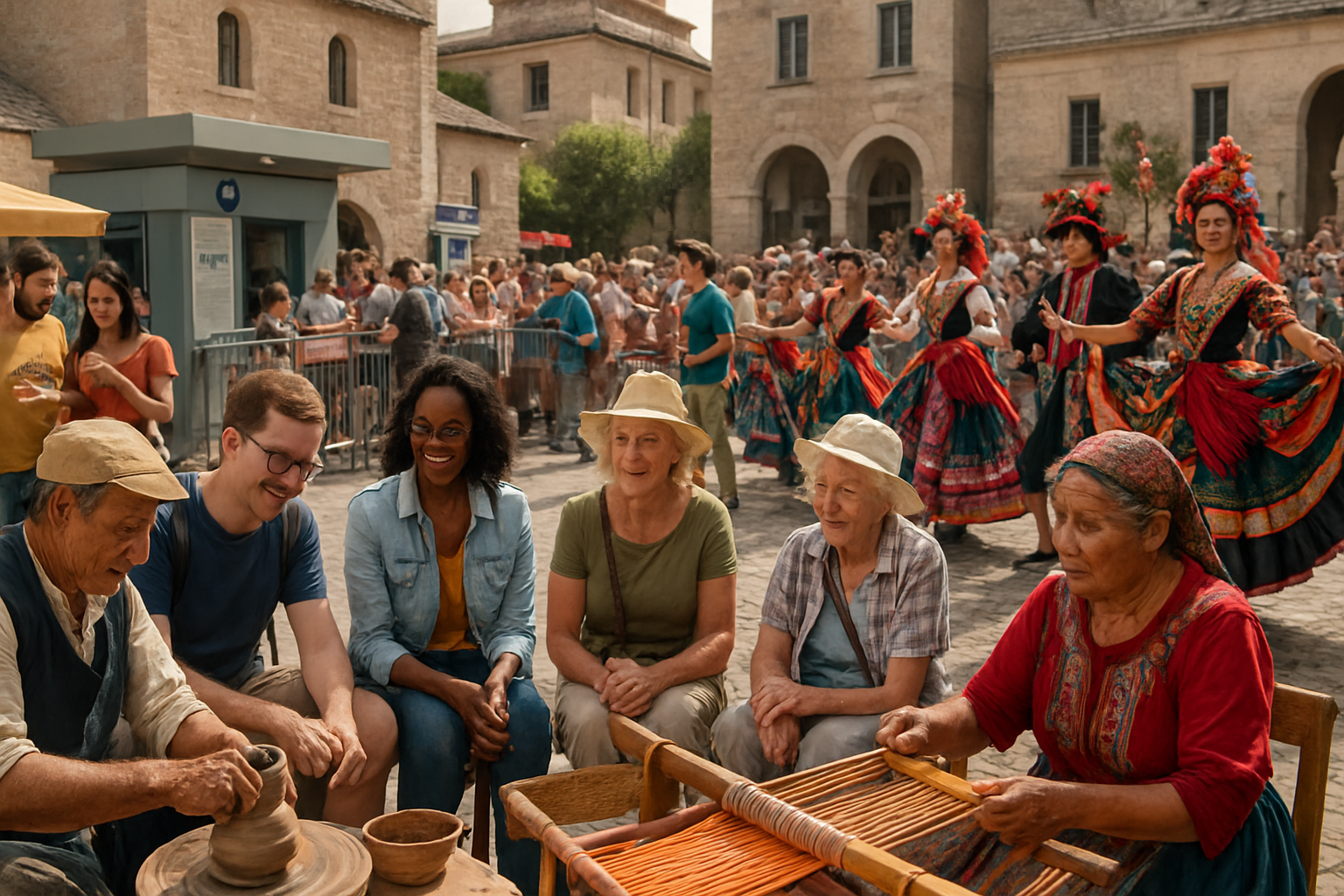
Countries worldwide are orchestrating an unprecedented renaissance in cultural tourism, strategically leveraging heritage preservation and community festivals to drive economic development while maintaining authentic cultural expression.
An extensive investigation across Colombia, Croatia, El Salvador, Kazakhstan, and Monaco reveals sophisticated approaches to cultural tourism that transcend traditional boundaries between heritage preservation and economic growth. This coordinated international effort represents the continuation of the documented "February 2026 Cultural Renaissance," demonstrating how nations are positioning culture as strategic infrastructure equivalent to transportation and healthcare systems.
Colombia's Cultural Innovation Hub
Colombia is spearheading Latin American cultural tourism through the Carnaval Internacional de las Artes 2026 in Barranquilla, scheduled for March 20-22. This ambitious program brings together national and international artists in a comprehensive cultural dialogue encompassing cinema, literature, art, and music.
The festival represents a sophisticated evolution from traditional carnival celebrations to comprehensive cultural programming serving multiple functions: heritage preservation, international cultural exchange, educational content delivery, and economic development through cultural tourism. Barranquilla's strategic positioning as a cultural bridge between Caribbean traditions and global artistic movements exemplifies successful 21st-century cultural stewardship.
Croatia's Culinary Heritage Breakthrough
Croatia demonstrates exceptional success in cultural tourism through culinary excellence recognition. The Gault&Millau Croatia 2026 awards celebrated the nation's leading culinary talents, with Chef Stiven Vunic named Chef of the Year. This recognition positions Croatian gastronomy within international fine dining conversations while maintaining authentic regional traditions.
Complementing culinary achievements, Croatia's regional hospitality excellence survey identified Varaždin County as the most welcoming region according to traveler assessments. This dual recognition of culinary innovation and hospitality excellence creates sustainable competitive advantages in European cultural tourism markets.
"When visitors and investors are asked why they trust El Salvador, they specifically highlight security, an image they always associate with the president."
— Morena Valdez, Minister of Tourism, El Salvador
El Salvador's Security-Driven Tourism Revolution
El Salvador presents a compelling case study in how political stability enables cultural tourism development. Tourism Minister Morena Valdez emphasizes that enhanced security conditions have been fundamental to attracting large-scale tourism investments, particularly the Ocean Breeze project at Playa Mizata, La Libertad.
The Ocean Breeze development serves as an "anchor project" designed to catalyze additional residential, commercial, and tourism investments throughout the region. This strategic approach demonstrates how individual tourism projects can generate multiplier effects, creating employment during construction phases while establishing long-term economic foundations for community development.
The government's comprehensive investor support program under President Nayib Bukele creates confidence among both domestic and international tourism developers. This systematic approach to tourism development offers templates for other nations seeking to leverage political stability for cultural tourism growth.
Kazakhstan's Heritage Preservation Excellence
Kazakhstan showcases sophisticated heritage preservation through the Nomadic Art: Global Image of Steppe Culture festival in Almaty, part of the Nauryznama decade celebrations. This international festival brings together artisans from across Kazakhstan, offering visitors unprecedented access to ancient techniques and cultural heritage through hands-on master classes and cultural immersion experiences.
The festival represents mature evolution from static museum preservation to dynamic community-engaged programming. Traditional crafts including carpet weaving, metalwork, leather production, and textile arts become accessible to international audiences while maintaining authentic cultural transmission methods. This approach creates sustainable economic opportunities for traditional artisans while preserving endangered cultural knowledge.
Monaco's Luxury Sports Tourism Integration
Monaco demonstrates sophisticated integration of cultural heritage with premium sports tourism through the 51st Critérium Cycliste, centered around Port Hercule with comprehensive infrastructure adaptations. The race village installation on Quai Albert Ier creates immersive experiences connecting visitors with Monaco's maritime heritage and contemporary sporting excellence.
This strategic programming exemplifies small nation competitiveness in global tourism markets through authentic programming that serves multiple audiences: serious cycling enthusiasts, luxury travelers, cultural tourists, and local community members. Monaco's ability to maintain cultural authenticity while attracting international attention provides templates for other small nations seeking tourism development without compromising local identity.
Economic Impact and Sustainability Models
Analysis reveals substantial economic multiplier effects across all cultural tourism initiatives. Beyond immediate tourism revenue, successful programs generate lasting infrastructure including performance networks, artisan collaborations, educational partnerships, and international cultural cooperation frameworks active year-round.
Countries investing in authentic cultural programming report competitive advantages through enhanced international recognition, strengthened diplomatic relationships, and sustainable economic development models. Cultural tourism creates employment across creative industries, hospitality sectors, transportation networks, and community services while preserving rather than exploiting cultural heritage assets.
Technology Integration Success
A consistent pattern emerges of sophisticated technology integration amplifying rather than replacing authentic cultural expressions. Digital documentation, social media promotion, virtual accessibility, and advanced conservation techniques expand cultural tourism reach while maintaining community ownership and spiritual significance of traditional practices.
This technology-tradition synthesis enables global cultural sharing while preserving local authenticity, contrasting with earlier fears that digitization would diminish cultural authenticity. March 2026 evidence suggests thoughtful technological implementation extends cultural reach while strengthening rather than weakening community connections to traditional practices.
International Cooperation Templates
Successful cultural tourism initiatives demonstrate collaborative rather than competitive approaches to international cultural development. Institutions sharing expertise, coordinated marketing strategies, and joint programming create efficiency gains enabling smaller nations to compete effectively with established cultural centers.
This international cooperation model includes voluntary cultural exchanges, shared conservation techniques, coordinated promotional campaigns, and mutual recognition programs. The February 2026 Cultural Renaissance continues through March 2026 with unprecedented coordination suggesting systematic global recognition of culture as fundamental community infrastructure requiring adaptive management and international support.
Climate Adaptation and Future Challenges
Cultural tourism development increasingly addresses climate change adaptation as environmental threats intensify preservation urgency while creating opportunities for innovative programming. Successful initiatives demonstrate adaptive management approaches respecting traditional practices while embracing helpful technological and methodological innovations.
Economic pressures affecting youth participation in traditional arts, digital entertainment competition, and balancing global visibility with local authenticity represent ongoing challenges. Solutions emphasize community leadership, international resource sharing, and innovative programming approaches maintaining cultural integrity while achieving economic sustainability.
Future Implications for Cultural Tourism
March 2026 establishes precedents for 21st-century cultural tourism development successfully balancing heritage preservation with contemporary innovation, local authenticity with international cooperation, and economic viability with cultural integrity.
Evidence suggests communities worldwide increasingly recognize culture as strategic infrastructure equivalent to transportation, communication, and healthcare systems. This fundamental shift from viewing cultural preservation as costly heritage maintenance toward understanding culture as essential infrastructure for community development represents a watershed moment in global cultural policy.
The success across diverse contexts—from Colombian artistic innovation to Croatian culinary excellence, from El Salvador's security-enabled development to Kazakhstan's nomadic heritage preservation, from Monaco's luxury integration—provides practical templates adaptable to specific cultural and economic circumstances worldwide.
This cultural tourism renaissance demonstrates humanity's remarkable capacity for cultural resilience, creative adaptation, and international cooperation during periods of technological change, climate pressures, and economic uncertainty. The coordinated global effort suggests that thoughtful investment in authentic cultural programming creates lasting positive impacts that honor the past while embracing future possibilities through sustainable development models serving both local communities and international visitors.