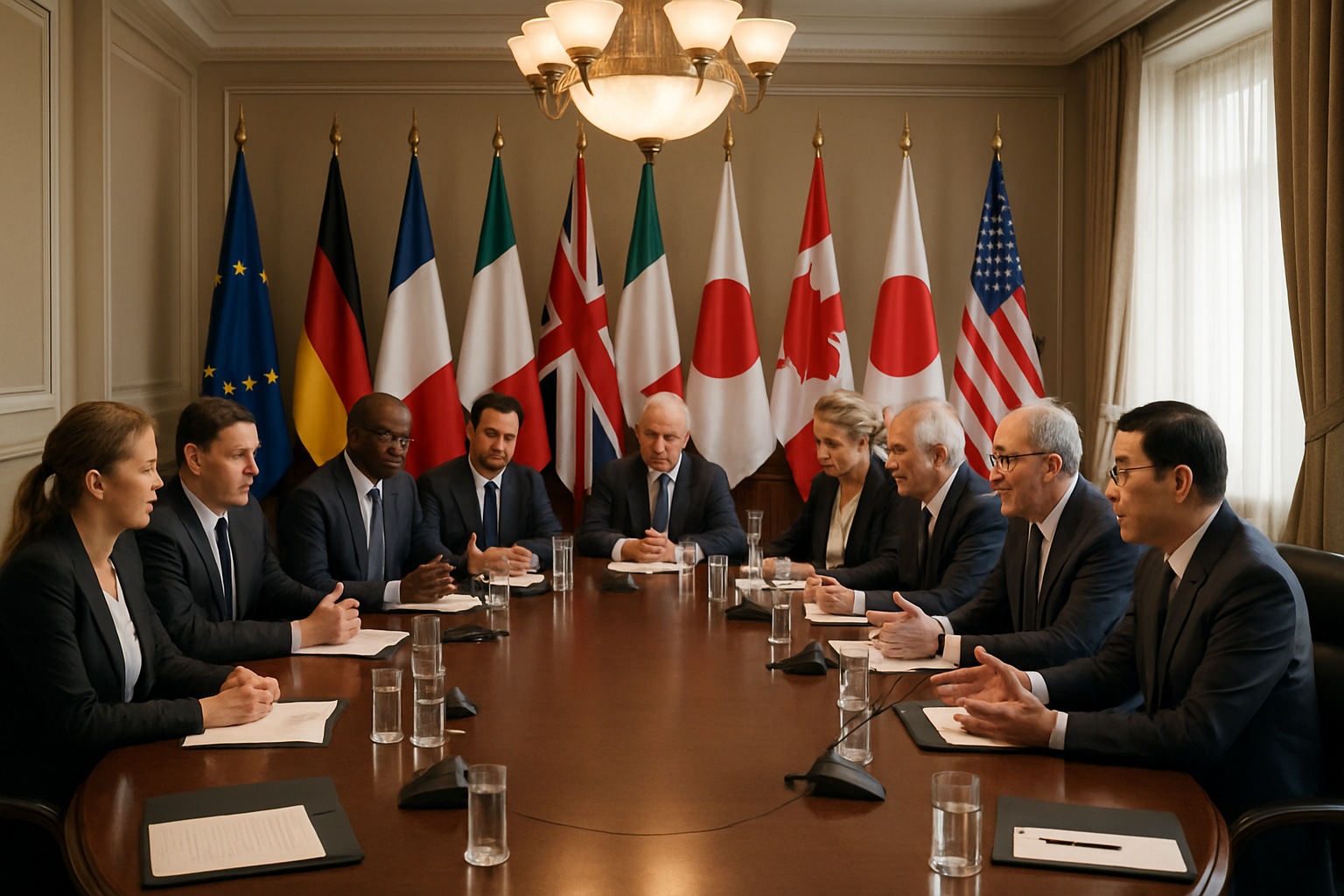
A wave of diplomatic engagements across four continents on March 9, 2026, highlighted the rapidly evolving landscape of international relations, as regional powers forge new partnerships and strengthen existing alliances amid shifting global dynamics.
From Azerbaijan's presidential phone call with Turkey to high-level meetings in the Caribbean and Eastern Europe, the diplomatic developments underscore how nations are adapting their foreign policy strategies to navigate an increasingly multipolar world order.
Azerbaijan-Turkey Relations Deepen Strategic Partnership
President Ilham Aliyev of Azerbaijan initiated a significant diplomatic contact with Turkish President Recep Tayyip Erdoğan on March 9, reinforcing what has become one of the most robust partnerships in the Caucasus region. The call represents the continuation of deep bilateral ties that have proven resilient through regional conflicts and changing international circumstances.
This engagement comes at a time when Azerbaijan has positioned itself as a crucial energy coordinator in Central Asia, with the US Chamber of Commerce recognizing its strategic role in regional energy cooperation. Current bilateral trade between Azerbaijan and Turkey has reached $74.9 million annually, with significant expansion potential given Azerbaijan's $27.2 billion in global exports.
"The relationship between Azerbaijan and Turkey represents a model of strategic partnership that transcends traditional alliance frameworks while maintaining regional stability."
— Regional diplomatic analyst
The energy dimension remains central to this partnership, with BP's $3.4 billion Shah Deniz investment positioning Azerbaijan as a critical EU energy alternative to Russian supplies. This economic foundation provides substantial leverage for both nations in their broader regional diplomatic initiatives.
Caribbean Summit Exposes Deep Regional Divisions
The Shield of the Americas Summit in Florida revealed significant fractures within Caribbean diplomatic unity, as evidenced by contrasting approaches between Dominican Republic and Trinidad positions on regional security cooperation. The summit, attended by multiple Caribbean leaders including Dominican Republic President Luis Abinader, highlighted how regional powers are navigating complex relationships with major powers.
President Abinader's bilateral meeting with Bolivian President Rodrigo Paz Pereira focused on strengthening diplomatic and economic ties, emphasizing joint initiatives supporting continental development and stability. This engagement demonstrates how Caribbean nations are expanding their diplomatic reach beyond traditional regional boundaries.
The discussions centered on promoting collaboration in areas that could further strengthen diplomacy and trade between the two nations, reflecting broader trends toward South-South cooperation frameworks. Such partnerships represent alternatives to traditional North-South dependency relationships that have historically characterized Caribbean international relations.
Estonia-Moldova Cooperation Framework Emerges
Estonian journalists' interview with Moldovan President Maia Sandu on March 9 revealed significant developments in Baltic-Eastern European cooperation, particularly regarding EU integration priorities, internal reforms, and security cooperation. Sandu emphasized Tallinn's special role in supporting Moldova's European integration path, highlighting how smaller European nations are developing specialized partnership frameworks.
The discussion underscored Estonia's unique understanding of risks posed by Russian regional influence, positioning the Baltic nation as a crucial supporter of Moldova's EU aspirations. This partnership demonstrates how European nations with shared security concerns are developing bilateral cooperation mechanisms that complement broader EU institutional frameworks.
"Estonia's experience with both EU integration and managing Russian pressure makes it an invaluable partner for Moldova's strategic objectives."
— Eastern European security expert
Moldova's emphasis on internal reforms alongside security cooperation reflects the complex challenges facing Eastern European nations pursuing EU membership while managing security threats. Estonia's support provides both practical assistance and political legitimacy for Moldova's European aspirations.
Guyana's Strategic Caribbean Positioning
Guyana's President Dr. Irfaan Ali has emerged as a significant voice in Caribbean geopolitics, particularly regarding Cuba policy and broader hemispheric relations. His recent comments during international interviews demonstrate sophisticated strategic thinking about regional power dynamics and the importance of pragmatic statecraft in managing complex geopolitical realities.
Ali's approach emphasizes the need for Caribbean leaders to navigate evolving security threats and shifting hemispheric politics while safeguarding national interests. This positioning reflects broader challenges facing small states in a volatile regional environment where traditional diplomatic approaches require constant adaptation.
The Guyanese president's participation in high-level diplomatic forums, including the Shield of the Americas Summit, positions the country as an important voice in Caribbean regional politics. His emphasis on strategic diplomacy demonstrates how smaller nations can maintain influence through careful positioning rather than economic or military power.
Implications for International Relations
These diplomatic developments occur against the backdrop of broader changes in international relations, including the expansion of China-Africa trade relationships and evolving US hemispheric strategies. The March 9 engagements demonstrate how nations are adapting their diplomatic approaches to maximize influence in an increasingly complex global environment.
The pattern emerging from these interactions suggests a shift toward more flexible, bilateral partnership frameworks rather than rigid alliance structures. This approach allows nations to maintain multiple relationships while avoiding the constraints of exclusive alignment with major powers.
Regional cooperation frameworks are evolving to address contemporary challenges including energy security, migration management, and climate adaptation. The success of these new diplomatic initiatives will depend on their ability to deliver practical benefits while maintaining political flexibility.
Looking Forward: Sustainable Partnership Development
The sustainability of these emerging diplomatic partnerships will require continued political commitment across electoral cycles and changing international circumstances. Success depends on developing institutional frameworks that can maintain cooperation even when individual leaders change.
Economic integration remains crucial for transforming political agreements into lasting partnerships. Trade relationships, investment flows, and technical cooperation provide the foundation for sustained diplomatic engagement beyond ceremonial meetings and declarations.
The March 9 diplomatic engagements represent a snapshot of how international relations are adapting to 21st-century realities. The emphasis on practical cooperation, economic integration, and flexible partnership frameworks suggests a maturation of diplomatic approaches that could serve as models for other regions facing similar challenges.
As these relationships develop, their success will be measured not by grand declarations but by their ability to deliver concrete benefits to citizens while maintaining stability in an increasingly volatile international environment. The coming months will reveal whether these diplomatic initiatives can translate into lasting partnerships that enhance regional security and prosperity.