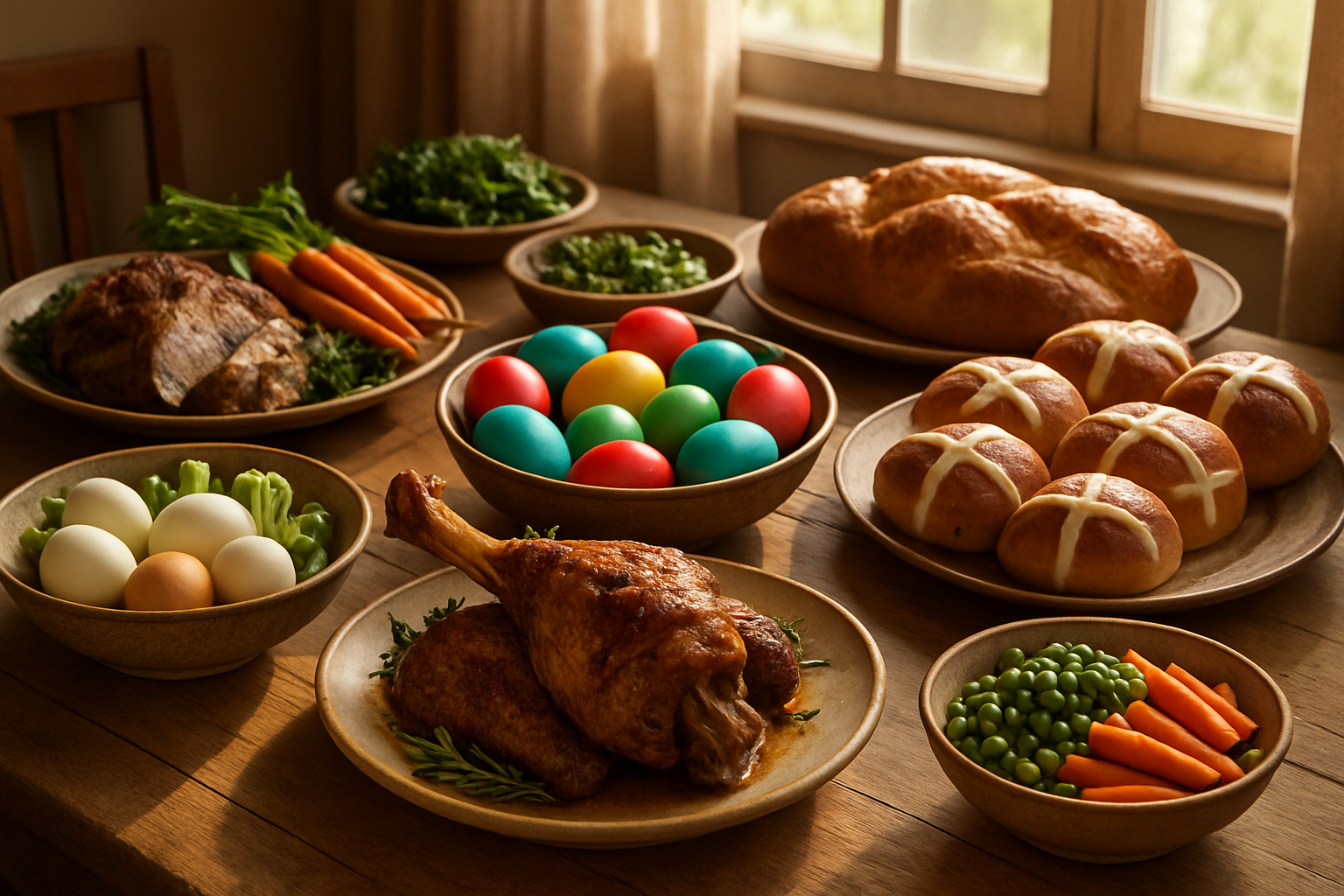
As Easter 2026 approaches, traditional food cultures across the globe are experiencing a remarkable renaissance, balancing centuries-old customs with modern challenges of soaring prices, dietary innovation, and cultural preservation.
From the cobbled streets of Bulgaria to the bustling markets of New Zealand, this year's Easter celebrations reveal a complex tapestry of culinary adaptation that extends far beyond religious observance. Communities are rediscovering ancestral recipes while grappling with unprecedented economic pressures that have transformed traditional holiday foods into luxury items.
The Price of Tradition: Economic Pressures on Easter Foods
In Bulgaria, the cost of Easter lamb has reached crisis levels, with prices soaring above €20 per kilogram in major cities like Plovdiv and Pazardzhik. According to Nova Television analysis, these dramatic increases have created "serious tension among consumers" as families struggle to maintain traditional Easter celebrations centered around lamb dishes that have defined Bulgarian culture for generations.
The price disparities across regions paint a stark picture of economic inequality. While residents of Pernik can still purchase lamb for approximately €13 per kilogram, those in urban centers face costs exceeding the psychological barrier of €20. This pricing crisis reflects broader global trends affecting traditional holiday foods, where supply chain disruptions and climate pressures converge to challenge cultural food accessibility.
"Traditional foods are becoming luxury items, forcing families to choose between cultural authenticity and economic reality."
— Food Industry Analyst, Nova Television
Cultural Preservation Through Innovation
Despite economic challenges, communities across Eastern Europe are demonstrating remarkable resilience in preserving culinary heritage through creative adaptation. In Lithuania, traditional Easter bread culture continues to flourish with renewed interest in authentic preparation methods that prioritize texture and longevity over convenience.
The Lithuanian approach to Easter baking exemplifies how traditional knowledge adapts to contemporary needs. Home bakers are rediscovering techniques that create "soft, fluffy bread that stays fresh for up to a month," according to LRT reports. This revival represents more than nostalgia—it's a practical response to food waste concerns and economic pressures that make every ingredient valuable.
Romania's Easter cake renaissance tells a similar story, with traditional "pasca" recipes experiencing unprecedented popularity. Romanian bakers report increased demand for both classical yeast-based versions and innovative no-dough alternatives that accommodate modern time constraints while preserving cultural authenticity.
Egg Decoration: Ancient Art Meets Modern Efficiency
Latvia's innovative approach to Easter egg decoration demonstrates how traditional crafts evolve to meet contemporary realities. The "foil method" for egg coloring represents a breakthrough for busy families who previously relied on pantyhose or cheesecloth—materials increasingly scarce in modern households.
This innovation preserves the visual and cultural significance of decorated eggs while acknowledging that traditional tools may no longer be readily available. The method maintains the authentic appearance and symbolic meaning while adapting to contemporary household realities.
Global Dietary Trends Reshape Traditional Celebrations
New Zealand's evolving food culture reflects broader global trends toward "optimization-focused" eating that prioritizes nutritional metrics over traditional food enjoyment. The emergence of extreme dietary approaches, including the viral "boy kibble" trend among fitness enthusiasts, demonstrates how modern nutrition culture intersects with traditional holiday celebrations.
This tension between optimization and tradition creates new challenges for Easter celebrations traditionally centered on communal feasting and cultural foods that may not align with contemporary dietary frameworks. Families increasingly navigate between preserving cultural food traditions and adapting to health-conscious lifestyle choices that emphasize functional nutrition over cultural significance.

International Perspectives on Food and Celebration
Guyana's Easter kite-flying tradition illustrates how food culture extends beyond consumption to encompass entire cultural ecosystems. The annual Buxton Kite Camp represents a community-centered approach to Easter celebration that prioritizes shared experiences and cultural continuity over commercialized food consumption.
This broader understanding of food culture—where preparation, sharing, and celebration intertwine—offers valuable perspectives for communities struggling with the commercialization of traditional holidays. The Guyanese model demonstrates how cultural celebrations can maintain authenticity while adapting to economic realities through community cooperation and shared resources.
Mediterranean Wisdom Validates Traditional Approaches
Recent research validating Mediterranean dietary patterns provides scientific backing for traditional Easter food practices that emphasize variety, seasonal ingredients, and communal dining. Studies confirming 25% stroke risk reduction over 20 years through Mediterranean eating patterns support the health benefits of traditional holiday foods that prioritize fresh ingredients, healthy fats, and social dining experiences.
This scientific validation strengthens arguments for preserving traditional Easter foods against pressure to adopt processed alternatives or abandon cultural practices in favor of optimization-focused dietary approaches.
Serbian Innovation: Healthy Tradition Adaptation
Serbia's contribution to Easter food culture through innovative vegetable-based dishes demonstrates how traditional cuisines adapt to contemporary health consciousness. The popularity of zucchini-based recipes reflects broader trends toward plant-forward cooking that maintains cultural authenticity while addressing modern nutritional awareness.
These adaptations represent successful synthesis of traditional cooking methods with contemporary health priorities, creating dishes that honor cultural heritage while meeting evolving dietary preferences. The Serbian approach offers a model for other cultures seeking to modernize traditional recipes without losing cultural significance.
Economic and Cultural Implications
The transformation of Easter food traditions reflects broader economic and cultural shifts affecting global communities. Rising food costs force families to prioritize cultural significance against financial constraints, while health trends challenge traditional celebration patterns focused on communal feasting.
However, this pressure also catalyzes innovation and cultural preservation efforts. Communities are rediscovering efficient preparation methods, exploring ingredient substitutions that maintain authentic flavors, and developing community-sharing approaches that ensure cultural celebrations remain accessible despite economic challenges.
The Bulgarian lamb crisis, Lithuanian bread revival, and Romanian cake renaissance collectively demonstrate how food traditions adapt to survive. Rather than disappearing, these practices evolve through creative problem-solving that preserves cultural essence while addressing contemporary realities.
Looking Forward: Sustainable Cultural Food Systems
The 2026 Easter season reveals both challenges and opportunities for global food culture preservation. Economic pressures threaten traditional food accessibility, while dietary trends challenge communal celebration practices. Yet communities demonstrate remarkable resilience through innovation that honors cultural heritage while adapting to contemporary needs.
Success factors include community cooperation, technique innovation, ingredient flexibility, and scientific validation of traditional practices. The most sustainable approaches balance cultural authenticity with practical accessibility, ensuring that food traditions remain living practices rather than museum pieces.
As climate change and economic pressures continue affecting global food systems, the 2026 Easter experience offers valuable lessons in cultural adaptation. Communities that successfully preserve food traditions while embracing beneficial innovations position themselves to maintain cultural identity through future challenges while contributing to broader global food culture resilience.
"Our food traditions are not obstacles to overcome, but wisdom to adapt. The challenge is finding ways to honor our ancestors while feeding our children."
— Cultural Food Historian
The global Easter food renaissance of 2026 ultimately demonstrates that cultural traditions possess inherent adaptability when communities approach preservation with creativity, cooperation, and commitment to both heritage and future sustainability.