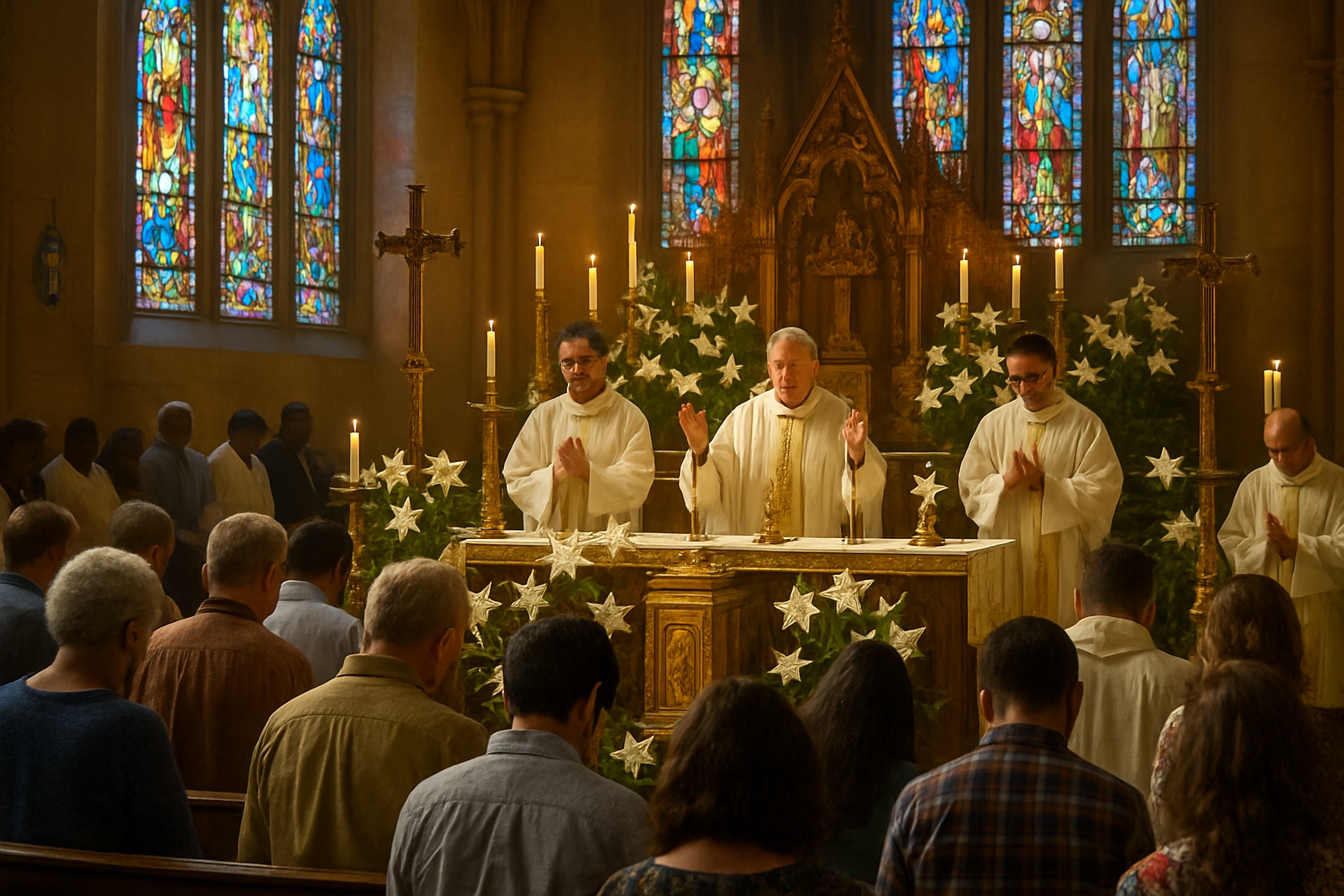
Christians worldwide are observing Good Friday and preparing for Easter celebrations in 2026 with a spirit of resilience and renewal, as communities across multiple continents maintain ancient traditions while adapting to contemporary challenges including security concerns, extreme weather, and logistical complexities.
From the Vatican's solemn Good Friday Mass to Paraguay's pre-dawn purification rituals, the Easter season in 2026 showcases the global diversity and enduring strength of Christian faith amid unprecedented international coordination and local adaptations.
Vatican Leadership and Global Observances
Pope Leo XIV, celebrating his first Easter as pontiff since his election in May 2025, is leading Holy Week celebrations at the Vatican. Finnish media reported live coverage of the Pope's Good Friday Mass, with the Holy Father emphasizing themes of hope and spiritual renewal during these sacred days.
The Vatican's Easter celebrations take on particular significance this year, as Pope Leo XIV continues to establish his leadership style following the death of his predecessor. International observers note the American Pope's focus on substantive theological messaging over ceremonial gestures, with his Easter homilies expected to address global challenges facing the Christian community.
European Celebrations and Weather Challenges
Across Europe, Easter celebrations are proceeding despite significant weather disruptions. France is experiencing unusually warm conditions for the season, with temperatures soaring into the upper-20s Celsius across southern regions, creating early summer-like conditions during the Easter weekend.
However, other European nations face more challenging conditions. Lithuania's meteorological services warn of Storm Dave approaching the region, with wind gusts potentially reaching 36 meters per second as it affects the Baltic states during the Easter period. The storm threatens to disrupt traditional outdoor Easter celebrations and has prompted authorities to advise against visiting forests and rural parks until the weather system passes.
Italy continues its rich Easter traditions with regional variations celebrated across the peninsula. From elaborate Sicilian Holy Week processions to Rome's Via Crucis ceremonies, Italian communities demonstrate the cultural depth that has made Easter "Pasqua" one of the nation's most significant yearly celebrations, combining religious solemnity with family gatherings and traditional cuisine including Colomba di Pasqua bread and regional specialties.
Americas: Ancient Traditions and Modern Adaptations
In Latin America, Easter observances reflect centuries-old traditions adapted for contemporary realities. Paraguay showcases particularly distinctive practices, with Good Friday witnessing the traditional "visiting of the dead" in cemeteries, where families gather to honor departed loved ones with flowers, candles, and prayers.
A unique Paraguayan tradition continues to draw early morning participants: the pre-dawn bathing ritual in the Paraguay River. At Remanso beach, faithful believers immerse themselves in the river waters before sunrise on Good Friday, seeking spiritual purification and renewal. Don Alcides Ortiz, who has maintained this practice for many years, explained the significance: "Each year we come here to bathe in the blessed water before the sun rises, as is the tradition. Before, I came with my parents who are no longer with us, now I come with my wife and family."
Peru demonstrates the intersection of religious observance with urban infrastructure, as the Autoridad de Transporte Urbano para Lima y Callao published special public transportation schedules to accommodate the heavy traffic and movement associated with Holy Week celebrations. The capital's fish markets have received 490 tons of seafood to meet the increased demand during Good Friday, when Catholic tradition encourages abstaining from meat.
North American Recognition
In Saint Lucia, Easter reflections emphasize the historical significance of the season. Writer Thomas Roserie captured the moment's importance: "There are moments in history that do not simply pass—they echo. Easter is one of them." This sentiment resonates across Caribbean communities where Easter serves both as religious observance and cultural celebration.
Eastern Europe: Tradition Meets Modernity
Slovakia offers educational opportunities alongside religious observance, with local media providing comprehensive coverage of Easter symbolism and traditions. The country's approach includes interactive quizzes about Easter customs, helping preserve cultural knowledge while engaging younger generations.
Slovak theological discussions explore the deeper meaning of Easter within the Christian calendar. Local theologians explain Easter as the "happy end" of the Christian story, emphasizing its central importance as the celebration of resurrection and hope, making it arguably more significant than Christmas celebrations.
Global Context: Security and Coordination
This year's Easter celebrations occur against a backdrop of enhanced security measures in various regions. The international coordination for Easter 2026 represents unprecedented cooperation among religious institutions, governments, and security agencies to ensure peaceful observances.
Building on the successful international religious coordination witnessed during Ramadan 2026 earlier this year, Easter celebrations demonstrate the growing sophistication of global religious accommodation. Countries have implemented modified transportation schedules, enhanced security protocols, and improved infrastructure to support the millions of pilgrims and worshippers participating in Holy Week activities.
Cultural Integration and Interfaith Harmony
The timing of Easter 2026 follows closely after the conclusion of Ramadan in March, creating opportunities for interfaith dialogue and mutual understanding. Religious leaders across different faiths have noted the shared themes of spiritual renewal, community service, and charitable giving that characterize both Easter and the recently concluded Islamic holy month.
Finland exemplifies successful multicultural accommodation, with the country's approach to Easter celebrations incorporating both Christian traditions and acknowledgment of other religious communities. Finnish media coverage emphasizes Easter's role as a time for reflection and renewal across different cultural backgrounds, demonstrating the country's commitment to inclusive celebration while preserving Christian heritage.
Economic and Social Impact
Easter 2026 is generating significant economic activity across affected regions, with tourism, hospitality, and retail sectors benefiting from the increased travel and celebration-related spending. Traditional Easter shopping patterns show strong consumer engagement with local businesses, particularly in food service and cultural tourism sectors.
The celebration also demonstrates successful technology-tradition synthesis, with digital platforms enabling global diaspora participation while preserving essential human connections that characterize authentic religious community worship.
Looking Forward: Resilience and Renewal
As Christians worldwide prepare for Easter Sunday, the 2026 celebrations represent more than religious observance—they embody community resilience, cultural preservation, and international cooperation. From the Vatican's central leadership to Paraguay's riverside dawn rituals, from Slovakia's educational initiatives to Finland's multicultural approaches, Easter 2026 showcases Christianity's capacity to maintain essential spiritual character while adapting to contemporary global realities.
The celebrations provide a template for international religious coordination that honors traditional practices while addressing modern challenges including climate change, security concerns, and cultural diversity. As communities gather for Easter Sunday services, they do so with an appreciation for both ancient traditions and the innovative cooperation that enables meaningful celebration in an interconnected world.
Pope Leo XIV's first Easter as pontiff, combined with the diverse global observances from Latin America to Northern Europe, signals a Christianity that remains vibrant and relevant while staying true to its foundational messages of resurrection, hope, and community solidarity.