Educational systems across five nations are grappling with mounting pressures as new data reveals significant challenges ranging from alarming dropout rates to controversial meal policies, while scholarship programs and educational support initiatives attempt to address growing inequalities in global education access.
A comprehensive investigation spanning Cyprus, Armenia, El Salvador, and Sweden reveals the complex landscape of educational challenges and innovations reshaping learning environments worldwide, as part of what experts are calling the "2026 Educational Technology Renaissance" – a period marked by both unprecedented opportunities and deepening crises in global education systems.
Cyprus Confronts Alarming Dropout Crisis
In Cyprus, new statistics have unveiled a troubling educational emergency that threatens the foundation of the nation's academic system. During the 2025-2026 school year alone, 345 students abandoned their secondary education across both general and technical tracks, contributing to a devastating total of 1,500 students who have left school over the past six years.
The dropout phenomenon appears to be accelerating, with officials reporting the trend is gaining momentum despite ongoing government efforts to retain students. This represents a significant challenge for Cyprus's educational infrastructure, which has been working to align with European Union standards while maintaining cultural relevance for local students.
Educational experts point to multiple factors contributing to this crisis, including economic pressures on families, lack of engagement with traditional curricula, and increasing competition from alternative pathways that promise more immediate economic returns. The situation mirrors broader global trends documented in our previous analysis of educational systems, where traditional academic models are struggling to maintain relevance in rapidly changing job markets.
Armenia Expands International Educational Opportunities
In stark contrast to Cyprus's retention challenges, Armenia's Ministry of Education, Science, Culture and Sports has announced an ambitious scholarship competition for the 2026-2027 academic year, offering Romanian university placements for Armenian students seeking higher and postgraduate education opportunities.
The program provides eight coveted positions – three for bachelor's degree programs and five for advanced studies – representing Armenia's strategic investment in international educational partnerships. This initiative builds upon Armenia's documented commitment to youth development, following successful programs including the Loft Noyemberyan youth center and comprehensive healthcare-education integration approaches identified in our February analysis.
"These international partnerships represent our commitment to providing Armenian students with world-class educational opportunities while maintaining strong cultural connections to their homeland."
— Ministry of Education, Science, Culture and Sports spokesperson
The Romanian scholarship program reflects Armenia's sophisticated approach to addressing the global "brain drain" phenomenon by creating structured pathways for students to gain international experience while maintaining ties to their home country – a model that other nations facing similar challenges are closely monitoring.
El Salvador's Educational Materials Success Story
El Salvador presents a striking example of how targeted educational support can unlock student potential. Edwin, a seventh-grade student at Centro Escolar Cantón El Molino in La Unión Norte, has become a symbol of the country's educational renewal after receiving a comprehensive school supplies package that enabled him to pursue his artistic talents.
Using the high-quality materials provided through the government's educational support program, Edwin created artwork depicting President Nayib Bukele as a gesture of appreciation for the educational opportunities now available to students like him. His mother, Nuria, emphasized how the quality materials represent far more than simple school supplies – they provide genuine opportunities for continued learning and skill development.
The transformation extends beyond individual success stories. Edwin now attends a renovated school with significantly improved conditions, part of El Salvador's broader educational infrastructure improvements that are motivating students throughout the region to discover and develop their talents.
This success builds on El Salvador's documented educational innovations, including partnerships with international business schools and comprehensive public administration training programs that position the country as a regional leader in educational modernization.
Sweden's Controversial School Meal Debate
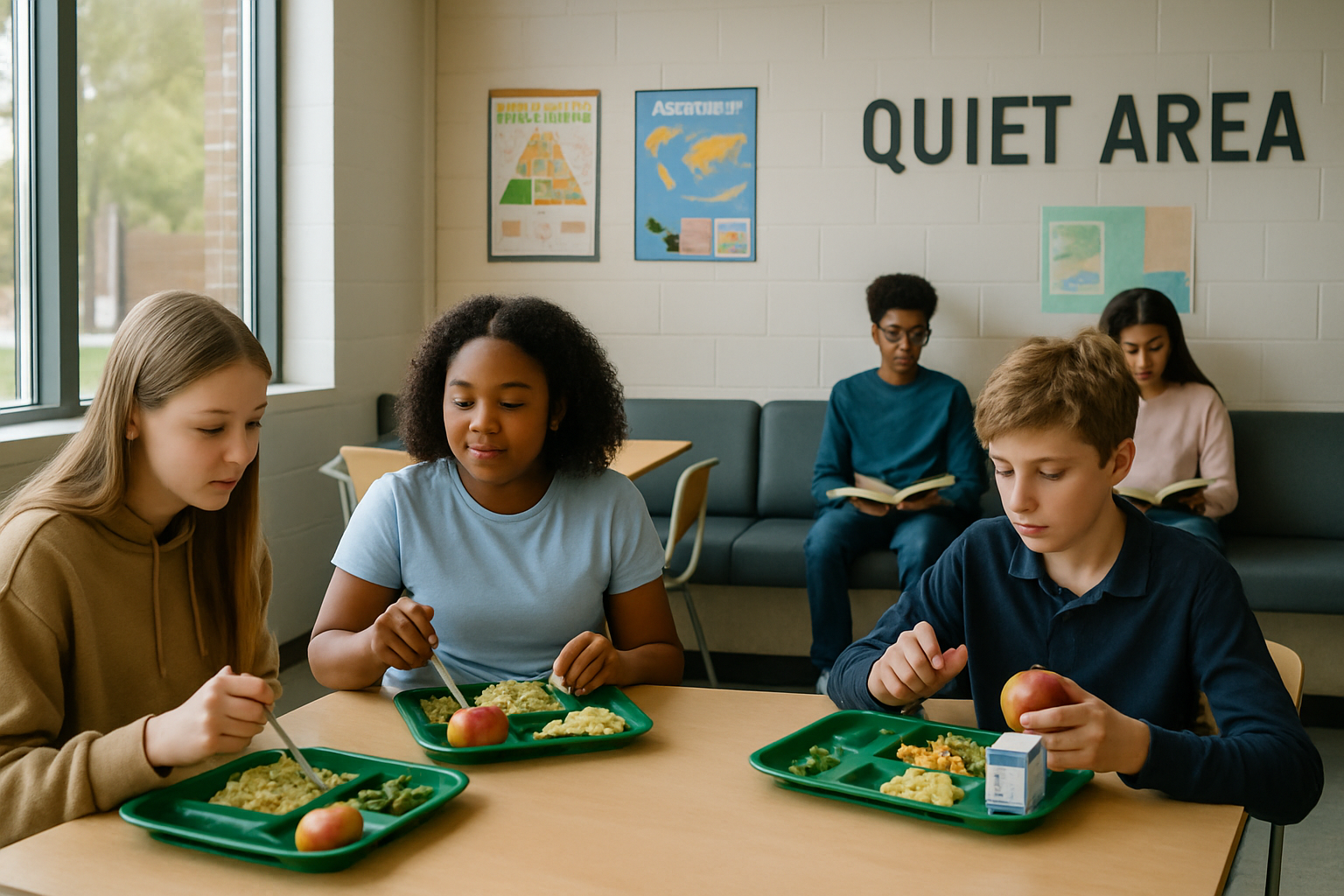
Swedish educational authorities are embroiled in a heated debate over school meal policies that highlights the tension between nutritional goals and student autonomy. The controversy centers on whether schools should accommodate students who reject standard cafeteria offerings through alternative meal arrangements.
Professor Agneta Hörnell from Umeå University's Department of Food and Nutrition Sciences has taken a firm stance, arguing that special dietary requests and packed lunches should only be provided "in emergency situations" when students absolutely cannot consume school-provided meals.
"It's crucial that students have opportunities to taste different foods as much as possible. This allows them to learn and expand their dietary range, but it requires training. Packed lunches or special requests should only be used in emergencies when nothing else works."
— Professor Agneta Hörnell, Umeå University
The debate has intensified with real-world cases like that of 12-year-old Rasmus, who brings packed lunches when school meals don't meet his preferences. Parents and municipal authorities are struggling to balance nutritional education objectives with individual dietary needs and family preferences.
This controversy reflects broader tensions in educational systems worldwide about the balance between institutional authority and individual choice, particularly as schools take on expanded roles in student wellness and nutrition education.
Global Context: The 2026 Educational Renaissance
These developments occur within what educational researchers are documenting as the "2026 Educational Technology Renaissance" – a global phenomenon characterized by thoughtful integration of digital tools with traditional educational values, while simultaneously confronting unprecedented challenges.
Historical context from our comprehensive analysis reveals this period as potentially the most significant educational transformation since post-World War II expansion. Countries implementing comprehensive, culturally-sensitive reforms are reporting improved community resilience and enhanced international competitiveness, while those failing to adapt face mounting crises.
The success factors identified across multiple nations include sustained political commitment, comprehensive stakeholder engagement, and careful balance between innovation and traditional educational values. Malaysia's 97.82% teacher placement success rate and pioneering AI-integrated Islamic schools demonstrate how technological advancement can coexist with cultural preservation when properly implemented.
Emerging Patterns and Future Implications
Analysis of these diverse educational developments reveals several critical patterns shaping global education policy. Nations focusing on prevention-first approaches – like El Salvador's comprehensive student support and Armenia's proactive international partnerships – are demonstrating superior outcomes compared to crisis-response models.
The contrast between Cyprus's retention crisis and Armenia's expansion initiatives illustrates how different strategic approaches to educational challenges can yield dramatically different results. While Cyprus struggles with students leaving the system, Armenia is creating new pathways for educational advancement through international cooperation.
Sweden's meal policy debate represents broader questions about educational institutions' roles in shaping student behavior and choices. As schools worldwide take on expanded responsibilities for student wellness, nutrition, and social development, the tension between institutional objectives and individual autonomy becomes increasingly complex.
The economic implications of these educational strategies extend far beyond immediate costs. Countries implementing comprehensive educational support report reduced long-term social service demands, decreased unemployment rates, and improved workforce productivity – demonstrating that educational investment serves as strategic infrastructure for national competitiveness.
Technology Integration and Cultural Preservation
A consistent theme across successful educational initiatives is the careful integration of technological tools with cultural preservation and human-centered learning approaches. El Salvador's success with traditional art education enhanced by quality materials, and Armenia's international programs maintaining cultural connections, exemplify this balance.
The global memory crisis, with semiconductor prices surging sixfold affecting educational technology implementations, has forced educational systems to develop more thoughtful approaches to technology integration. Successful programs emphasize technology serving educational goals rather than replacing fundamental human relationships and cultural knowledge.
This technological wisdom has emerged from earlier failures where wholesale adoption of digital tools without adequate consideration of local contexts and cultural values led to disappointing outcomes. The current renaissance represents a more mature understanding of how technology can enhance rather than replace authentic educational experiences.
International Cooperation and Knowledge Sharing
The diverse challenges and solutions documented across these four nations highlight the critical importance of international cooperation in addressing global educational challenges. Armenia's Romanian partnerships, El Salvador's regional leadership role, and Sweden's policy debates contribute valuable insights to worldwide educational policy discussions.
Knowledge sharing through international educational partnerships has become essential as nations face similar challenges with different resource levels and cultural contexts. The success of programs that adapt rather than simply transplant educational innovations demonstrates the value of flexible, culturally-sensitive approaches to educational reform.
Regional cooperation frameworks are emerging as essential platforms for sharing successful strategies while respecting national sovereignty and cultural authenticity. These partnerships enable smaller nations to access resources and expertise that would otherwise be beyond their reach, while contributing their own innovations to global knowledge.
Looking Forward: Critical Decisions Ahead
February 2026 represents a critical juncture for global educational policy, as the success or failure of current reform initiatives will likely determine educational trajectories for the coming decade. The stakes extend beyond individual institutional success to encompass global capacity for addressing climate change, technological disruption, and social cohesion challenges.
The window for effective action requires coordinated approaches that balance technological advancement with human development, global competencies with local identity, and innovation with tradition. Educational systems that successfully navigate these complex requirements are positioning themselves as leaders in preparing citizens for 21st-century challenges while preserving the cultural wisdom essential for human flourishing.
As documented in our ongoing analysis, countries achieving educational excellence maintain focus on prevention-first approaches, comprehensive stakeholder engagement, and sustained political commitment beyond electoral cycles. These foundational elements, rather than specific technological solutions, appear to determine long-term success in educational transformation.
The diverse experiences of Cyprus, Armenia, El Salvador, and Sweden provide valuable templates for educational policy development worldwide, demonstrating that effective solutions must be adapted to specific cultural, economic, and social contexts rather than implemented as standardized programs. Their successes and challenges contribute essential knowledge for building educational systems that serve both individual potential and collective prosperity in an increasingly interconnected yet culturally diverse world.