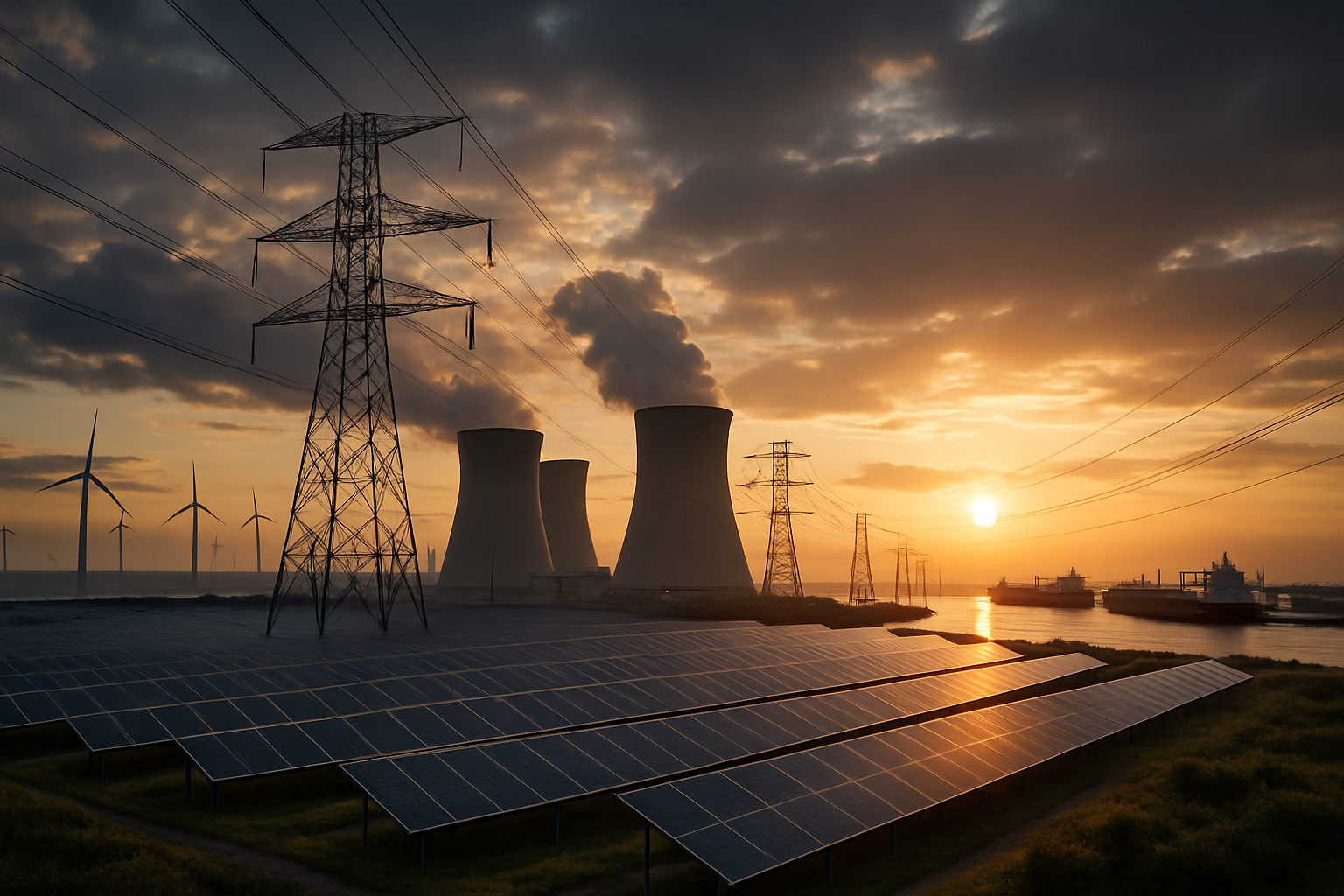
The global energy sector is experiencing its most dramatic transformation in decades, with renewable energy projects accelerating across six continents while nuclear power experiences a renaissance, even as markets continue adapting to the aftermath of March 2026's historic energy crisis.
Renewable Energy Breakthrough Across Continents
Australia's energy security strategy has taken center stage, with experts emphasizing that rapid renewable deployment and electrification represents "a strategic necessity, not just an environmental goal." This shift comes as the country navigates elevated fuel prices and regional supply challenges that have persisted since the global energy crisis earlier this year.
In Africa, Botswana is positioning itself as a continental leader through the implementation of a transformative 500 MW solar photovoltaic plant and 500 MWh Battery Energy Storage System in Maun. This massive infrastructure project positions Botswana as a net energy exporter and regional leader in the energy transition, demonstrating how developing nations can leapfrog traditional energy infrastructure.
European nations continue advancing their renewable agendas despite recent market volatility. Ireland faces mounting pressure to address electricity price increases expected within weeks, highlighting the ongoing tension between energy security and affordability. Sweden has implemented comprehensive energy tax reforms costing 1.5 billion kronor, providing temporary relief while maintaining long-term renewable investment commitments.
Nuclear Renaissance Gains Momentum
Sweden's Energy Minister Ebba Busch recently presented the "totality of Swedish nuclear program," declaring that the nation "must dare to build big" as part of a broader European nuclear renaissance. This follows similar policy reversals across the continent, with multiple nations reconsidering nuclear power as a reliable complement to intermittent renewable sources.
The shift reflects growing recognition that achieving climate goals while maintaining energy security requires a diverse energy portfolio. Sweden's nuclear expansion plans represent a 36 billion kronor investment in new nuclear capacity, with an additional 183 billion kronor allocated for radioactive waste management infrastructure.
This nuclear revival extends beyond Europe, with countries worldwide recognizing atomic energy's role in providing stable, carbon-free baseload power while renewable infrastructure scales up.
Energy Security Challenges Persist
Luxembourg faces particular challenges as energy prices remain elevated, with opposition parties demanding comprehensive government intervention measures. The situation reflects broader European struggles to balance market mechanisms with consumer protection during extended periods of energy price volatility.
Historical context reveals the severity of current challenges. The March 2026 energy crisis, triggered by the Strait of Hormuz closure affecting 40% of global oil transit, marked the most severe energy security crisis in decades. Oil prices peaked at $119.50 for Brent crude, prompting the International Energy Agency's largest strategic petroleum reserve release in 50-year history.
Infrastructure Modernization Accelerates
Estonia continues to lead European renewable development with 88% renewable electricity generation and continental Europe's largest battery storage facility serving 90,000 households. This model demonstrates how advanced grid management and energy storage can provide reliable power while maintaining high renewable penetration rates.
The Chinese energy sector faces its own "energy mismatch" challenges, highlighting how even major energy producers must navigate the complex transition between traditional and renewable energy systems. These challenges underscore the global nature of current energy transformation pressures.
"Energy security is now inseparable from national security. The events of March 2026 demonstrated that single-chokepoint vulnerabilities can devastate entire economies within days."
— Samuel Ciszuk, Energy Security Analyst
Supply Chain Vulnerabilities Exposed
Recent investigations reveal critical vulnerabilities in renewable energy supply chains. China maintains control over 60% of critical mineral production and 90% of refining capacity for lithium, cobalt, and rare earth elements essential for renewable infrastructure. Memory chip shortages have caused sixfold price increases affecting smart grid control systems, with impacts expected to persist until 2027.
The US-EU-Japan Critical Minerals Partnership, involving 55 countries and seven African alternative suppliers, represents a comprehensive effort to diversify supply chains. However, these initiatives require massive infrastructure investments and years of development to achieve meaningful diversification.
Climate Urgency Drives Policy Acceleration
The energy transition occurs against a backdrop of accelerating climate change, with January 2026 marking the 18th consecutive month of global temperatures exceeding 1.5°C above pre-industrial levels. This sustained warming period represents the longest extreme temperature streak in recorded history, lending urgency to clean energy deployment efforts.
European renewable energy projects increasingly incorporate sophisticated technology integration, including digital monitoring, predictive maintenance, automated efficiency controls, and AI-powered optimization systems. These advances enable precise management of variable renewable generation while maintaining grid stability.
Economic Transformation and Investment
The energy sector's transformation represents hundreds of billions in required investment, creating both challenges and opportunities for economic development. Renewable energy projects generate significant employment in construction, operations, and maintenance while providing stable, long-term energy pricing that benefits industrial competitiveness.
Regional cooperation patterns are emerging across multiple continents, from Baltic states leading in battery storage technology to Central Asian nations developing transcontinental green energy corridors connecting to European markets. These international partnerships demonstrate how energy infrastructure can strengthen diplomatic and economic relationships.
Technology Innovation Reshaping Markets
Breakthrough technologies continue emerging across the energy sector. Hybrid renewable systems now enable solar panels to generate electricity from both sunlight and raindrops using ultra-thin material coatings, addressing intermittency challenges during increasingly unpredictable weather patterns.
Small modular nuclear reactors feature factory manufacturing, digital monitoring, and passive safety systems that reduce construction costs and timelines compared to traditional large-scale facilities. These innovations make nuclear power more accessible to smaller nations and regions with limited grid infrastructure.
Global Coordination Requirements
The scale and complexity of current energy challenges require unprecedented international cooperation. The March 2026 crisis demonstrated both the vulnerabilities of interconnected energy systems and the potential for coordinated emergency responses. The International Energy Agency's massive strategic reserve release involved 32 countries providing 400 million barrels, establishing new frameworks for multilateral crisis management.
Success in managing the current energy transformation depends on sustained international cooperation, technological innovation, and recognition that energy security has become inseparable from economic stability and planetary sustainability. The window for effective climate action continues narrowing, but the tools, knowledge, and cooperation mechanisms exist for comprehensive energy system transformation.
As nations navigate this critical transition period, the choices made regarding energy infrastructure, international cooperation, and technological development will shape energy security and climate stability for decades to come. The current moment represents both the greatest challenge and the greatest opportunity for building resilient, sustainable energy systems capable of supporting human civilization while protecting planetary ecosystems.