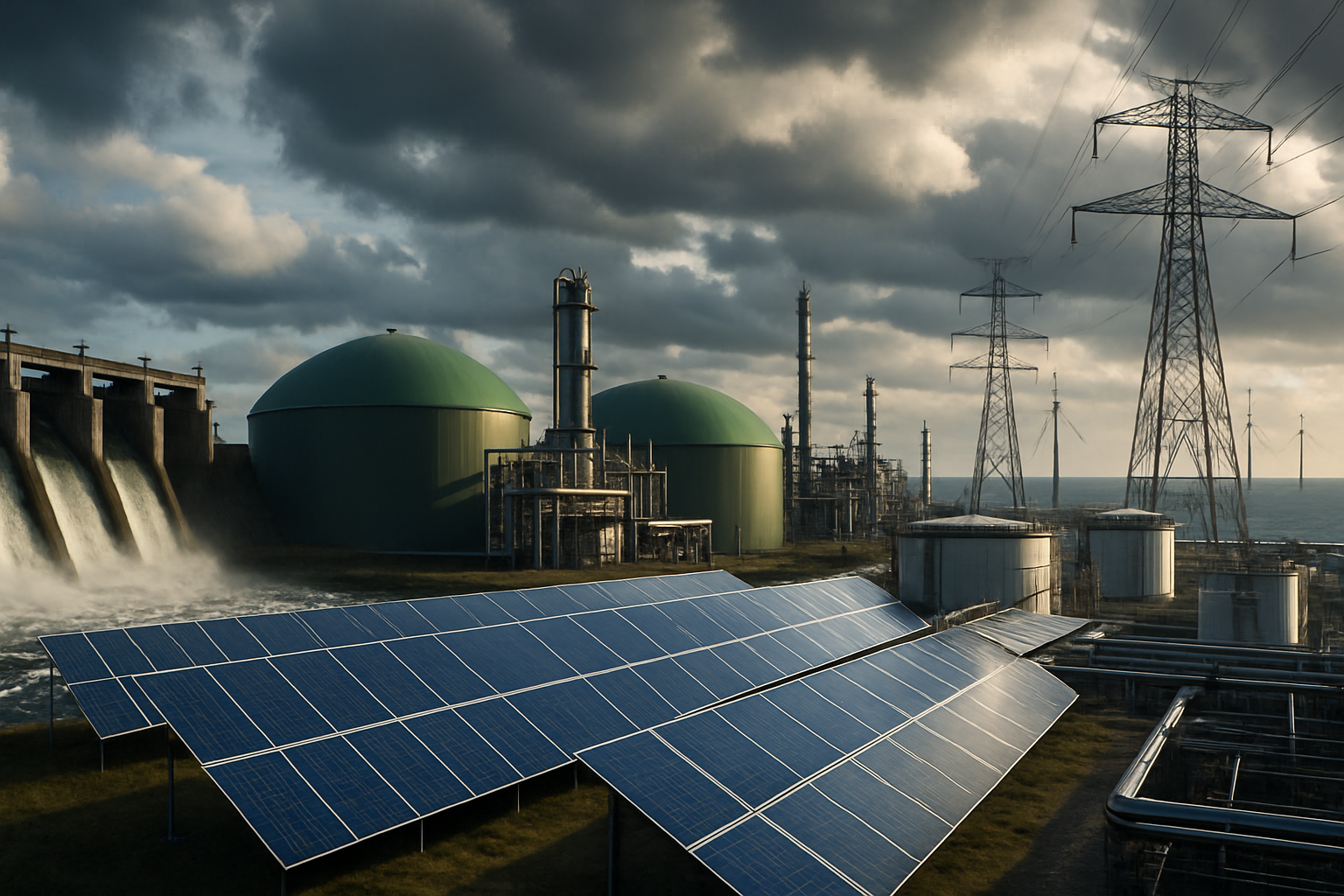
The global energy sector is experiencing a transformative period in February 2026, with developments spanning from renewable energy breakthroughs to oil market volatility, as nations increasingly prioritize energy independence amid ongoing geopolitical tensions and climate pressures.
Major developments across Azerbaijan, Latvia, Malaysia, and Romania demonstrate the complexity of the current energy transition, where traditional hydrocarbon infrastructure operates alongside cutting-edge renewable technologies and innovative waste-to-energy solutions.
Renewable Energy Infrastructure Gains Momentum
Azerbaijan's Gulabird small hydropower plant has achieved significant production milestones, generating 87.7 million kilowatt-hours of electricity since its commissioning through February 1, 2026. Located on the Hakari River in the Lachin district, this facility represents the South Caucasus nation's commitment to diversifying its energy portfolio beyond traditional oil and gas resources.
The hydropower achievement comes as the US Chamber of Commerce has identified Azerbaijan as a key regional energy coordinator, with current US-Azerbaijan trade totaling $74.9 million annually but massive expansion potential from Azerbaijan's $27.2 billion in global exports. American companies view the South Caucasus as a strategic East-West energy hub, positioning Azerbaijan as an attractive investment destination with regional coordination capabilities between European and Asian energy markets.
Innovation in Waste-to-Energy Solutions
Malaysia has launched a groundbreaking initiative with the opening of the Kampung Valdor Centralised Biogas Facility in South Seberang Perai, Penang. This facility, operational since March 2024, converts livestock waste from pig farms into renewable energy through a regulated and professionally managed system.
According to Penang Chief Minister Chow Kon Yeow, the facility currently serves 20 farms with around 30,000 pigs and has the capacity to expand to handle waste from up to 90,000 pigs in future phases. This innovative approach addresses long-standing environmental challenges while creating a renewable energy source, demonstrating how countries can transform waste management problems into energy solutions.
European Energy Independence Strategies
Romania's Energy Minister Bogdan Ivan has made ambitious predictions about his country's energy future, declaring that Romania will transform from "a net energy importer to an energy-independent country" by 2028. This transformation, according to Ivan, will result in consumer prices below the European Union average.
Meanwhile, Latvia is advancing its hydroelectric infrastructure with plans for a reserve water spillway at the Pļaviņas hydroelectric station in Aizkraukle. AS "Latvenergo" is developing this project to provide the capability to lower water levels in the reservoir under various hydrological conditions and offer additional throughput capacity in case of maximum flood scenarios.
Oil Market Volatility Continues
The global oil market remains subject to significant fluctuations, with Azerbaijan's Azeri Light crude price recently decreasing by $0.46, or 0.66 percent, to reach $69.57 per barrel on a CIF basis at Italy's Augusta port. This decline reflects broader market uncertainties and geopolitical tensions affecting energy pricing worldwide.
These price movements occur against a backdrop of ongoing supply chain challenges and geopolitical tensions. The EU's 20th sanctions package against Russia has introduced comprehensive bans on maritime services for Russian crude oil exports, including insurance, maintenance, and port access, forcing significant realignments in global energy trade patterns.
Supply Chain Vulnerabilities and Strategic Responses
The energy sector's transformation is occurring amid critical supply chain vulnerabilities that threaten long-term sustainability goals. China currently controls 60% of global production and 90% of refining capacity for critical materials including lithium, cobalt, and rare earth elements essential for renewable energy infrastructure.
In response, the US-EU-Japan Critical Minerals Partnership, involving 55 countries and seven African alternative suppliers (Angola, DRC, Guinea, Kenya, Morocco, Sierra Leone, and Zambia), is working to diversify supply chains and reduce dependency on single-source suppliers. This strategic initiative reflects growing recognition that energy independence requires securing access to the materials that make renewable technologies possible.
Technological Integration and Smart Grid Development
Modern energy projects increasingly incorporate sophisticated technology integration, including digital monitoring, smart grid management, automated efficiency systems, and predictive maintenance capabilities. These technological advances enable cost reduction and reliability improvements while supporting the integration of variable renewable energy sources with traditional baseload power.
Estonia continues to lead European renewable development with 88% renewable electricity production in 2024 and Europe's largest battery storage facility capable of serving 90,000 households. This combination of high renewable penetration and advanced storage technology provides a model for other nations seeking to achieve energy independence while maintaining grid reliability.
Economic Development and Energy Security
Energy infrastructure development is increasingly viewed as an economic development engine rather than merely a utility service. Projects across the sector create multiplier effects through increased commerce, efficiency improvements, and enhanced competitiveness. The integration of renewable energy, advanced storage systems, and modernized transmission infrastructure creates comprehensive economic development platforms.
International cooperation models are evolving to support these developments, with partnerships spanning traditional diplomatic relationships. The success of projects from Azerbaijan to Malaysia demonstrates that effective energy development requires sustained political commitment, technological innovation, and adaptive management capabilities to respond to rapidly changing global conditions.
Climate Urgency Drives Acceleration
The urgency of climate action continues to drive rapid developments in the energy sector. January 2026 marked the 18th consecutive month of the past 19 exceeding 1.5°C above pre-industrial levels, demonstrating that global warming is overriding natural climate variability and requiring immediate, sustained action.
This climate urgency, combined with energy security concerns stemming from geopolitical tensions, is creating unprecedented momentum for energy transformation. Countries are balancing immediate energy supply needs with long-term decarbonization goals, leading to complex policy frameworks that support both traditional and renewable energy sources during the transition period.
Looking Forward
February 2026 represents a potentially pivotal moment in global energy transformation. The convergence of technological advancement, environmental urgency, and geopolitical pressures is creating conditions for accelerated change in energy systems worldwide.
Success in this transformation will depend on sustained international cooperation, continued technological innovation, and adaptive management strategies that can respond to evolving challenges while maintaining energy security and economic development objectives. The projects and policies emerging across the globe provide templates for comprehensive energy system transformation that could define energy infrastructure for the remainder of the decade and beyond.