From Austria's renewable energy acceleration laws to Australia's cyclone-hit gas plants and New Zealand's emergency fuel protocols, a comprehensive investigation reveals how nations worldwide are confronting the most complex energy security challenges in decades, driving fundamental transformations in global energy architecture.
The global energy sector stands at an unprecedented crossroads in March 2026, as countries simultaneously navigate supply chain disruptions, accelerate renewable energy transitions, and implement emergency measures to ensure energy security. This multifaceted crisis encompasses everything from legislative reforms in Europe to natural disaster impacts in the Pacific, creating a template for how modern economies must adapt to volatile energy markets.
Austria's Revolutionary Energy Acceleration
Austria has positioned itself at the forefront of renewable energy transformation with the introduction of the Erneuerbaren-Ausbau-Beschleunigungsgesetz (Renewable Energy Expansion Acceleration Act). This landmark legislation aims to dramatically reduce bureaucratic procedures and compel federal states to take greater responsibility for renewable energy deployment.
The Austrian government's approach represents a shift from voluntary cooperation to mandatory participation in the energy transition. The law shortens approval processes for renewable energy projects while establishing binding targets for federal states, signaling a new era of coordinated national energy policy.
"This legislation is of enormous significance for Austria's energy independence," stated Energy Minister Leonore Gewessler.
— Austrian Ministry for Climate Action, Environment, Energy, Mobility, Innovation and Technology
However, responses to the legislation vary dramatically across the political spectrum, with reactions ranging from praise for its "enormous importance" to criticism as "completely ineffective." This division reflects broader tensions between rapid decarbonization imperatives and practical implementation challenges facing energy transitions globally.
Pacific Region Natural Disasters Expose Infrastructure Vulnerabilities
Australia's energy security challenges became starkly apparent when Cyclone Narelle forced the country's largest natural gas plants offline, exacerbating existing fuel shortages stemming from ongoing Middle Eastern conflicts. The timing proved particularly problematic, as Australia was already grappling with supply chain disruptions affecting global energy markets.
The cyclone's impact on critical energy infrastructure highlighted the vulnerability of centralized energy systems to natural disasters. With Australia's biggest gas plants shut down due to extreme weather, the country faced compounded energy security challenges at a time when alternative supply sources were already constrained.
Meanwhile, New Zealand has demonstrated proactive crisis management by establishing robust emergency fuel protocols. The country maintains strategic oil reserves equivalent to 40 days of consumption, distributed globally for rapid access during supply emergencies. This distributed storage approach represents innovative thinking in energy security planning.
Russia's Strategic Energy Export Controls
Russia's decision to ban gasoline exports beginning April 1st represents another significant development in global energy dynamics. Vice-Premier Alexander Novak directed the energy ministry to prepare comprehensive government regulations implementing the export prohibition, citing the need to stabilize domestic fuel prices and ensure priority supply to internal markets.
The export ban demonstrates how energy-producing nations are prioritizing domestic stability over international market obligations during periods of global volatility. This policy shift affects global supply calculations and forces importing nations to identify alternative sources.
"The measure is aimed at stabilizing prices and prioritizing domestic supplies," officials stated.
— Russian Government Press Service
Energy experts view Russia's export restrictions as part of broader geopolitical energy strategies, where producing nations leverage resource control for domestic political stability and international influence.
Historical Context: Learning from the March 2026 Energy Crisis
Current energy sector developments must be understood against the backdrop of the severe global energy crisis experienced in March 2026. During that period, oil prices breached $100 per barrel for the first time since 2022, reaching peaks of $119.50 for Brent crude, while the Strait of Hormuz closure blocked 40% of global seaborne oil transit.
The March crisis triggered the largest strategic petroleum reserve release in 50-year history, with the International Energy Agency coordinating deployment of 400 million barrels from 32 countries. The scale of international coordination required demonstrates both the interconnectedness of global energy systems and the necessity for multilateral crisis response mechanisms.
Aviation industries cancelled over 18,000 flights during the crisis peak, while natural gas prices exploded 24% in Europe and 78% in the United States. Consumer impacts were severe worldwide, with countries from Bangladesh implementing fuel rationing for 170 million people to European nations seeing heating oil approach €2 per liter.
Government Emergency Response Evolution
The March 2026 crisis established new precedents for government intervention in energy markets. Hungary implemented immediate price caps against "war-driven explosions" in fuel costs, while France deployed 500 fuel station inspectors to prevent price manipulation. Romania outlined five scenarios to prevent diesel from exceeding 10 lei per liter.
These interventions represented a fundamental shift from free-market principles to active government management during energy emergencies. The precedents established during the March crisis continue to influence current policy approaches across multiple nations.
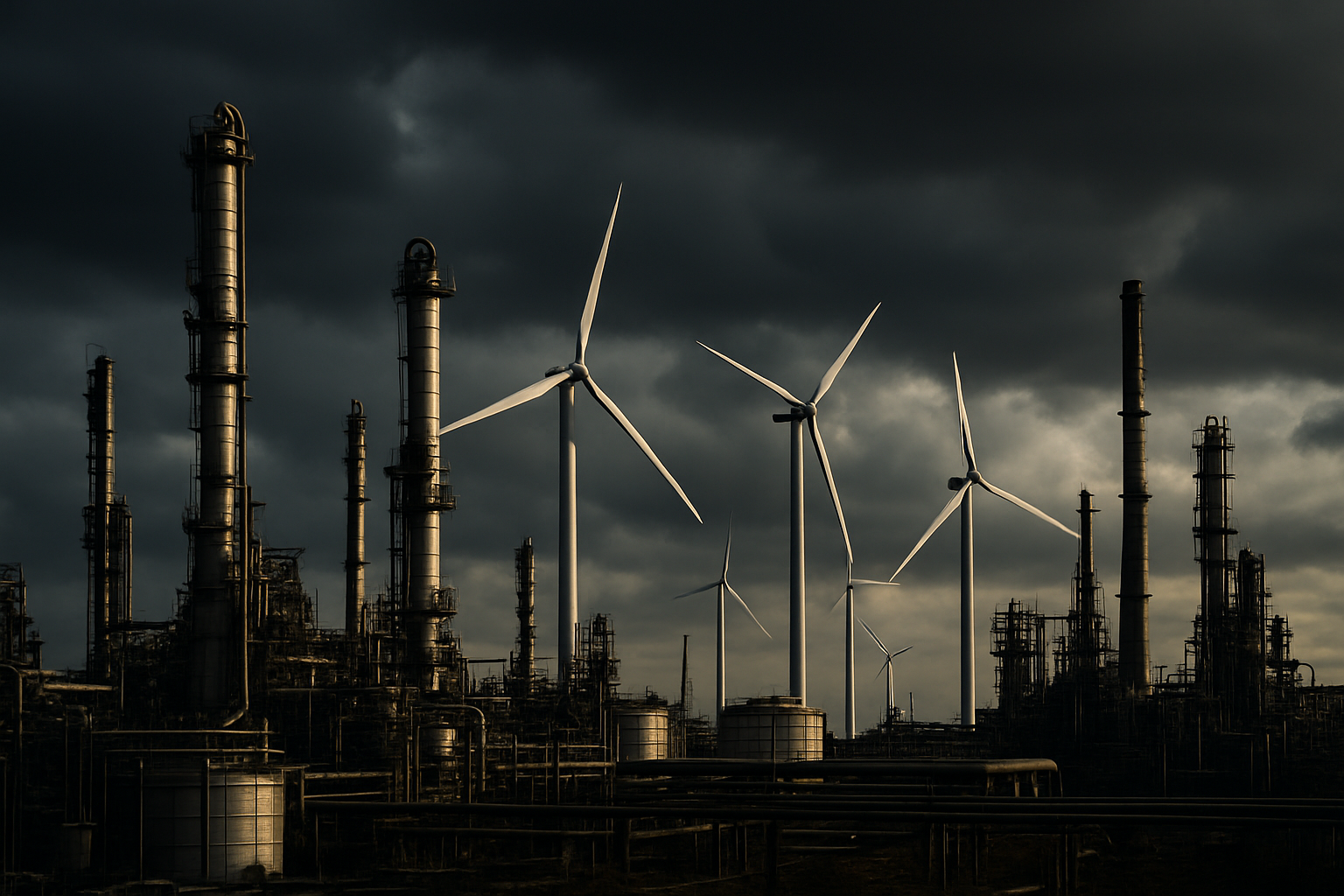
Energy Architecture Transformation Imperatives
The cumulative impact of recent energy crises has exposed dangerous over-dependence on strategic chokepoints and volatile geopolitical regions. Energy security experts emphasize that strategic petroleum reserves provide only temporary buffers for sustained disruptions, necessitating fundamental restructuring of global energy architecture.
Samuel Ciszuk, a leading energy security analyst, described recent events as "the most severe energy security crisis in decades, exposing single-chokepoint vulnerabilities." This assessment reflects growing consensus that current energy systems require comprehensive transformation to address 21st-century challenges.
Supply Chain Resilience and Diversification
Current energy sector developments reveal the critical importance of supply chain diversification. The March 2026 crisis demonstrated how conflicts affecting single geographic regions can instantly impact global energy markets, from manufacturing automotive and electronics industries to basic consumer goods distribution.
Companies like Maersk and MSC, which suspended Persian Gulf operations during peak crisis periods, highlight how energy disruptions cascade through entire supply chain networks. These experiences are driving fundamental reconsiderations of global logistics and energy sourcing strategies.
Financial Market Implications and Economic Planning
Energy sector volatility has profound implications for global financial stability. During the March crisis, Pakistan's KSE-100 experienced its largest single-day decline in history (-8.97%), while South Korea's KOSPI fell 12%, triggering circuit breakers and sending the Korean won to 17-year lows.
Central banks including the European Central Bank and Bank of Japan coordinated emergency liquidity provisions, but traditional monetary policy tools showed limited effectiveness against structural geopolitical disruptions. This reality is reshaping approaches to economic crisis management and financial system resilience.
Consumer Impact and Social Implications
The human cost of energy volatility extends far beyond economic statistics. During recent crises, European consumers faced heating oil prices approaching €2 per liter, while countries like Bangladesh implemented fuel rationing affecting 170 million people. Sweden experienced electricity and gasoline price increases, with the Malmö region particularly exposed due to continental market integration.
These impacts demonstrate how energy security directly affects social stability and quality of life, making reliable energy access a fundamental governance challenge for the 21st century.
Nuclear Energy and Long-term Planning
Energy security discussions increasingly encompass nuclear governance and long-term energy planning. The expiration of New START nuclear arms control treaties and ongoing uranium enrichment activities create additional complexity layers in global energy security considerations.
Nuclear energy represents both opportunity and challenge in energy transition planning. While nuclear power offers carbon-free baseload electricity, nuclear governance requires international cooperation frameworks that have become increasingly strained.
Technology Innovation and Energy Transition
Current energy challenges are accelerating innovation in renewable energy technologies, energy storage systems, and smart grid development. Estonia's achievement of 88% renewable electricity generation, coupled with Europe's largest battery storage capacity serving 90,000 households, demonstrates practical pathways toward energy independence.
However, renewable energy transitions require years to decades for full implementation, leaving critical vulnerability periods during which traditional energy security measures remain essential for maintaining social and economic stability.
International Cooperation and Multilateral Responses
Recent energy crises have tested international cooperation mechanisms to unprecedented degrees. The coordinated strategic petroleum reserve releases and emergency response protocols established new frameworks for multilateral crisis management.
UN Secretary-General António Guterres characterized recent energy challenges as "the greatest test of multilateral cooperation in crisis management in the modern era." This assessment reflects the scale of coordination required for effective responses to contemporary energy security threats.
Future Energy Security Planning
Looking ahead, energy sector developments indicate fundamental shifts in how nations approach energy security planning. The combination of climate change imperatives, geopolitical volatility, and supply chain vulnerabilities requires comprehensive strategy evolution.
Energy security planning must now account for multiple simultaneous challenges: transitioning to renewable energy sources, maintaining supply chain resilience, managing geopolitical risks, and ensuring affordable energy access for all citizens. This multi-dimensional challenge represents one of the most complex policy domains facing modern governments.
Regional Variations and Adaptive Strategies
Different regions are developing distinct approaches to energy security challenges based on their specific geographic, economic, and political circumstances. European Union nations emphasize renewable energy acceleration and continental market integration, while Pacific nations focus on disaster resilience and strategic reserve management.
These regional variations provide valuable case studies for energy policy development, demonstrating that effective energy security strategies must be tailored to specific national and regional contexts while maintaining international cooperation capabilities.
Long-term Implications and Systemic Change
The ongoing transformation of global energy systems represents more than technical or economic adjustment—it constitutes fundamental reshaping of international relations, economic structures, and social organization. Energy security has become inseparable from national security, economic competitiveness, and social stability.
Expert analysis suggests that current energy sector developments will establish templates for 21st-century crisis management, international cooperation, and economic governance. The decisions made during this critical period will influence global energy architecture for decades.
The convergence of renewable energy transition imperatives, supply security challenges, and geopolitical volatility creates unprecedented complexity requiring innovative policy approaches, enhanced international cooperation, and sustained political commitment to fundamental energy system transformation.
As nations continue navigating these challenges, the lessons learned from recent crises, current policy innovations, and ongoing transitions will prove essential for building resilient, sustainable, and secure energy systems capable of supporting global prosperity in an increasingly uncertain world.