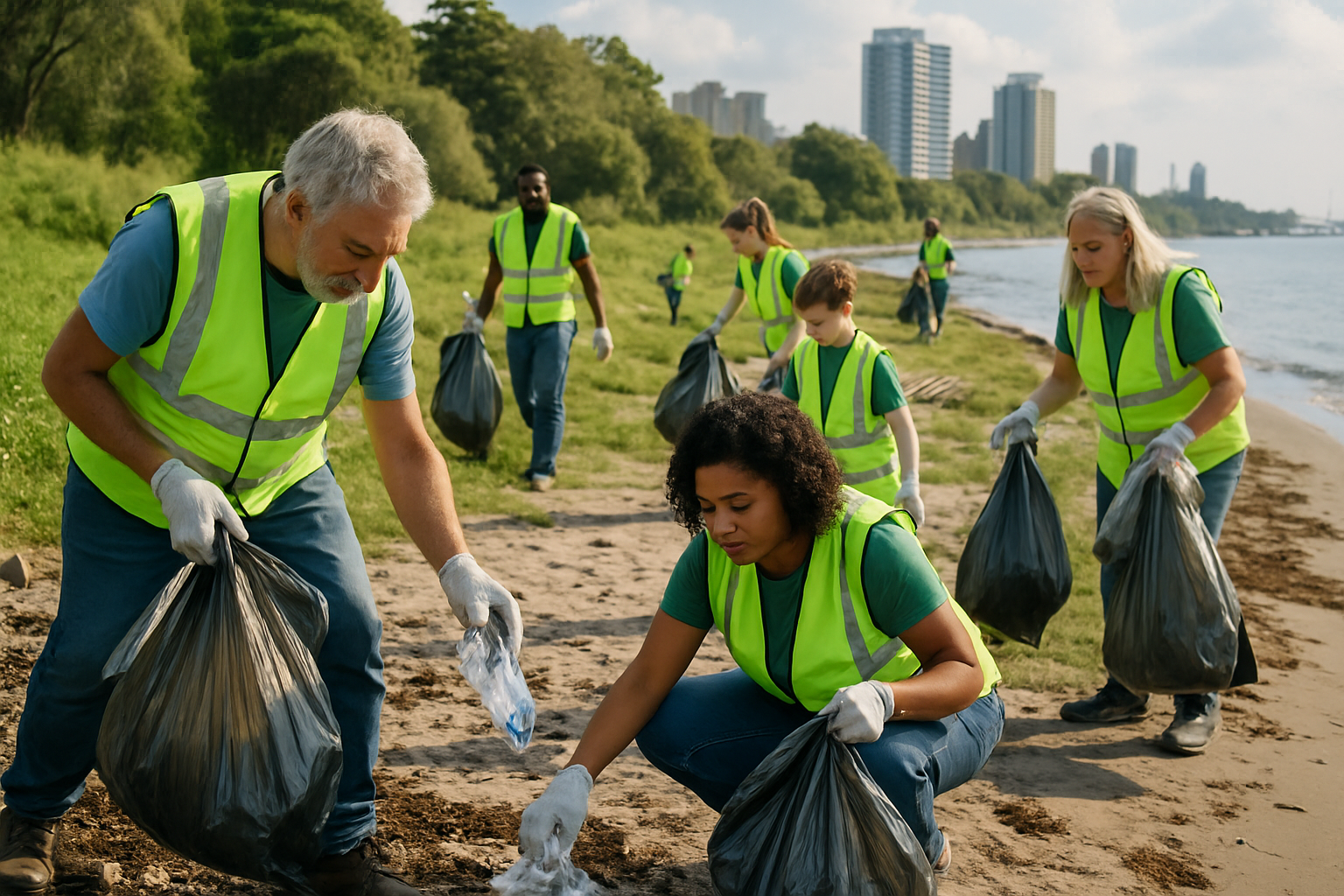
A groundswell of environmental cleanup initiatives across two continents is gaining momentum as communities take direct action against pollution, with Iceland's nationwide "Big Plogging Day" featuring celebrity participation and El Salvador's systematic waste management programs emerging as models for global environmental stewardship during the most challenging climate period in recorded history.
Iceland's annual "Big Plogging Day" mobilized hundreds of participants across the Nordic island nation on April 26, 2026, combining jogging with litter collection in what has become a highly visible environmental action. The initiative gained significant attention through the participation of prominent figures including Björn Skúlason and Miss Iceland, demonstrating how celebrity endorsement can amplify grassroots environmental movements.
The Icelandic campaign represents a sophisticated evolution of environmental activism, transforming what might once have been considered mere volunteerism into a coordinated national effort that combines physical fitness with environmental protection. Participants organized both formal events and individual initiatives, creating a decentralized but unified approach to addressing local environmental challenges.
El Salvador's Systematic Approach to Community Cleanup
Simultaneously, El Salvador has implemented a more institutionalized approach to environmental cleanup through coordinated municipal efforts in the capital region. Municipal Solid Waste teams continue extensive cleanup and removal operations for bulky waste in the El Mangüito community, working in partnership with the San Salvador Centro municipal government.
The El Salvador initiative addresses a critical aspect of urban environmental management often overlooked in less systematic approaches: the removal of large items including furniture and oversized objects that create disposal challenges for residents. Municipal crews systematically collect these materials, ensuring proper disposal methods that prevent abandonment in streets, sidewalks, or other inappropriate locations.
According to municipal authorities, these coordinated cleanup efforts serve multiple environmental objectives beyond simple waste removal. The program actively prevents pollution hotspots from developing, reduces risks during the rainy season when abandoned materials can create drainage blockages, and prevents bulky waste from reaching waterways where it could cause significant environmental damage.
Technology Integration Enhancing Traditional Methods
Drawing from extensive environmental conservation experiences across multiple nations, successful cleanup initiatives increasingly demonstrate sophisticated integration of cutting-edge technology with traditional ecological knowledge and community-based management systems. This represents a fundamental evolution in environmental protection methodology toward comprehensive frameworks that combine scientific rigor with cultural sensitivity and community ownership.
Advanced environmental monitoring systems, including satellite tracking and GPS coordination, enable cleanup organizers to identify priority areas and measure impact more effectively than previous generation efforts. However, the most successful programs maintain strong emphasis on local knowledge and community participation, recognizing that technological solutions alone cannot replace authentic community engagement.
Environmental protection increasingly functions as an economic development strategy rather than merely a regulatory burden. Countries and communities implementing comprehensive cleanup and protection programs demonstrate greater economic resilience and attract sustainable investment across multiple sectors including eco-tourism, environmental technology manufacturing, and green services.
Climate Context Driving Urgency
These environmental cleanup initiatives emerge during an unprecedented climate period, with April 2026 marking the 24th consecutive month of global temperatures exceeding 1.5°C above pre-industrial levels—the longest sustained warming streak in recorded human history. This sustained warming has completely overridden natural climate variability, including La Niña cooling effects, creating compound environmental effects that traditional conservation approaches struggle to address.
The climate crisis context adds particular urgency to community-level environmental action. As larger climate systems create increasingly unpredictable environmental challenges, local cleanup and protection efforts provide communities with tangible ways to improve their immediate environment while contributing to broader environmental resilience.
Environmental scientists emphasize that the action window for effective climate response is narrowing rapidly, with ecological systems approaching critical thresholds that could trigger irreversible changes affecting global food security, climate stability, and human settlements. Community-driven initiatives like those in Iceland and El Salvador provide templates for immediate action while larger policy frameworks develop.
International Cooperation and Scaling Potential
The diversity of approaches demonstrated by Iceland's celebrity-backed awareness campaign and El Salvador's systematic municipal programming provides valuable insights for scaling environmental cleanup efforts globally. Both models respect local conditions and cultural priorities while achieving measurable environmental outcomes through different organizational structures.
Success factors consistently identified across multiple international environmental initiatives include community ownership and engagement in planning and implementation, transparent governance frameworks that ensure accountability and sustainable funding, and economic incentives that make environmental protection financially viable for local communities.
Perhaps most critically, effective environmental cleanup requires sophisticated integration of traditional ecological knowledge with modern environmental science, creating adaptable approaches that can respond to rapidly changing environmental conditions while maintaining long-term sustainability goals.
Economic Development Through Environmental Action
Modern environmental cleanup initiatives demonstrate how environmental protection can function as a comprehensive economic development strategy. Iceland's plogging campaign enhances the nation's environmental leadership profile, supporting eco-tourism and sustainable investment attraction. El Salvador's systematic waste management creates employment opportunities in waste processing, logistics, and environmental services while reducing long-term disposal costs and improving public health outcomes.
Economic analyses consistently show that ecosystem services from intact natural systems deliver greater long-term economic benefits than resource extraction activities. Environmental cleanup contributes to these economic benefits through improved public health indicators, enhanced agricultural productivity from reduced pollution, decreased infrastructure costs through natural disaster prevention, and increased international competitiveness through strong environmental credentials.
The economic multiplier effects of environmental cleanup extend far beyond direct waste removal activities. These initiatives support development of transportation networks for collection and processing, creation of specialized equipment manufacturing, growth of technical services sectors, and expansion of educational and training programs—all contributing to sustainable rural and urban economic development.
Future Implications and Strategic Significance
The convergence of grassroots environmental activism and systematic municipal programming represents a critical juncture in global environmental protection strategy. The choice between reactive crisis management and proactive ecosystem service management may determine whether conservation efforts can keep pace with accelerating environmental change during this decisive climate action decade.
International cooperation frameworks for environmental cleanup are evolving from traditional North-South aid models toward peer-to-peer cooperation, with developing and developed nations alike contributing innovative solutions. This evolution recognizes that environmental challenges transcend political boundaries, requiring coordinated approaches that respect local autonomy while facilitating beneficial knowledge sharing and resource optimization.
The tools, knowledge, and cooperation frameworks for comprehensive environmental protection exist, as demonstrated by the diverse initiatives across Iceland, El Salvador, and numerous other nations documented in environmental conservation efforts throughout 2026. Success depends on sustained international cooperation, enhanced coordination across multiple sectors and scales, and increased financial commitments that recognize environmental protection as essential infrastructure for human prosperity and planetary sustainability.
Environmental cleanup initiatives like Iceland's Big Plogging Day and El Salvador's systematic waste management programs provide hope and practical templates for the massive coordinated effort required to maintain planetary habitability during Earth's most environmentally challenging recorded period. Their success in combining community engagement, technological innovation, and systematic implementation offers a foundation for the rapid scaling of environmental protection efforts essential for addressing climate challenges at the speed and scale demanded by current global conditions.