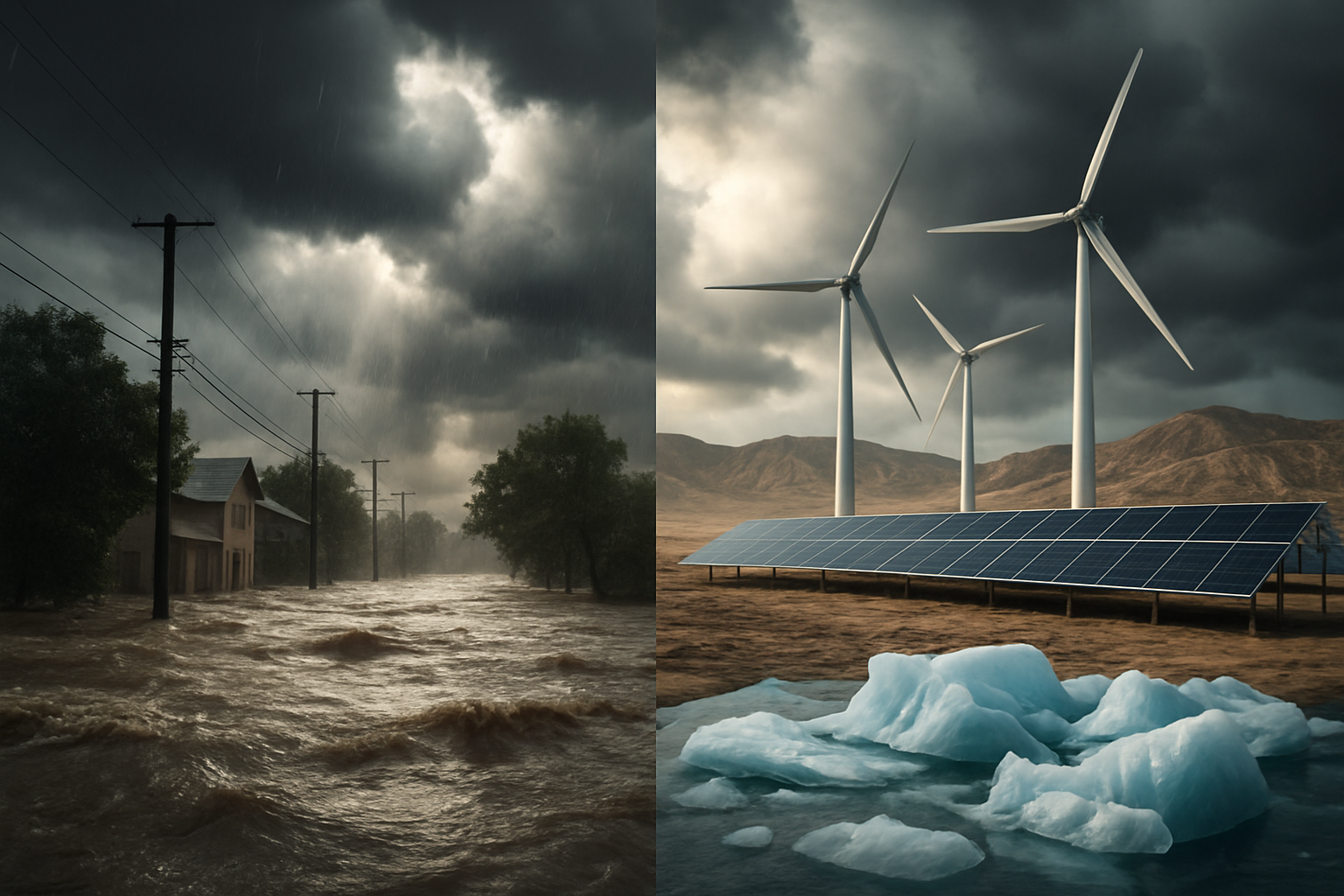
A convergence of devastating environmental disasters is unfolding across multiple continents as wildfires ravage Argentina's Patagonia region and Guatemala's forests while Papua New Guinea confirms 2025 as one of the warmest years on record in the Western Pacific, marking another alarming milestone in the global climate crisis.
The latest developments reveal the hidden toll on frontline environmental responders and communities as they battle increasingly severe climate-related disasters across Argentina, Guatemala, and the Pacific region, exposing critical gaps in global climate adaptation infrastructure.
Argentina's Hidden Crisis: Firefighters Face Devastating Health Impacts
In Argentina's southern regions, an investigation into the hidden drama facing wildfire brigade workers reveals the devastating personal cost of combating flames in increasingly extreme conditions. Firefighters are experiencing severe health effects as they battle blazes "body to body" in Patagonia, where extreme fire conditions have become the new normal.
The town of Epuyén has emerged as a symbol of this crisis, with Mayor José Contreras confirming that approximately 100 homes have been destroyed by fires over the past two years alone. The mayor described how the mountains have lost all their natural green cover, transforming the landscape into a scorched terrain that threatens local economies dependent on tourism and agriculture.
"The mountains lost all their green natural and we are asking for the support of tourists for the long weekend as a way to rebuild the local economy."
— José Contreras, Mayor of Epuyén
Contreras has issued urgent appeals for tourist support during upcoming holiday weekends as communities attempt to rebuild their devastated local economies. The plea highlights how climate disasters create cascading economic effects that extend far beyond the immediate environmental damage.
Guatemala's Forest Fire Emergency: Human Origins Under Investigation
Meanwhile, Guatemala faces a simultaneous environmental crisis as multiple forest fires destroy homes and natural habitats across several regions. The National Coordinator for Disaster Reduction (CONRED) has issued alerts about the human origin of many of these fires, raising serious concerns about intentional environmental destruction during a period of extreme vulnerability.
Emergency services have responded to numerous incidents affecting both residential areas and critical forest ecosystems. The crisis includes not only wildland fires but also structural fires that have destroyed homes and even affected fireworks manufacturing facilities, creating additional hazardous situations for first responders.
The scale of Guatemala's emergency has overwhelmed local response capabilities, with firefighters and emergency personnel struggling to contain multiple simultaneous blazes across different regions of the country. This multi-front crisis demonstrates how climate change amplifies existing vulnerabilities in fire-prone regions.
Pacific Region Sets Alarming Temperature Records
Adding to global climate concerns, Papua New Guinea has confirmed that 2025 was one of the warmest years on record in the Western Pacific region. This temperature milestone represents a continuation of unprecedented warming trends that are reshaping weather patterns across the Pacific basin.
The confirmation comes as part of broader climate monitoring efforts across the Pacific, where rising temperatures are contributing to more extreme weather events, sea level rise, and ecosystem disruptions that affect millions of people across small island developing states and coastal communities.

Global Context: January 2026 Climate Records
These regional disasters unfold against the backdrop of January 2026 being confirmed as the hottest month in recorded global history, with 18 of the past 19 months exceeding 1.5°C above pre-industrial levels. This sustained warming trend is now overriding natural climate variability, including La Niña cooling patterns that should typically provide temperature relief.
The convergence of extreme events across different continents demonstrates how climate change is creating simultaneous crises that strain international response capabilities and expose the interconnected nature of global environmental systems.
Strain on Emergency Response Systems
Emergency services across affected regions report reaching operational capacity limits as they respond to multiple environmental crises simultaneously. The pattern reflects broader challenges facing disaster response systems worldwide as climate change increases both the frequency and intensity of extreme events.
International cooperation mechanisms, including the European Union's Civil Protection Mechanism and regional disaster response partnerships, are being tested by the scope and simultaneity of current environmental challenges.
Infrastructure Vulnerabilities Exposed
The current crisis exposes critical vulnerabilities in climate adaptation infrastructure across different regions. From Argentina's overwhelmed firefighting capabilities to Guatemala's stretched emergency response resources and Pacific island nations' climate monitoring systems, the events highlight gaps between current disaster preparedness and the escalating reality of climate impacts.
Transportation networks, power grids, and communication systems face increasing stress from environmental disasters, creating cascade effects that amplify the impact of individual events and complicate recovery efforts.
Economic and Social Impacts
Beyond immediate environmental damage, these crises create profound economic and social disruptions. Tourism-dependent communities like Epuyén face existential threats to their economic base, while the human health costs for emergency responders represent hidden dimensions of the climate crisis that receive insufficient attention.
Agricultural sectors across affected regions face mounting challenges as extreme weather events destroy crops, damage infrastructure, and disrupt production cycles that support local food security and export economies.
International Response and Coordination Challenges
The simultaneous nature of current environmental crises highlights the urgent need for enhanced international coordination and resource sharing. Current response mechanisms, while functional, face increasing strain as climate disasters become more frequent and severe.
Recent initiatives, including coordinated environmental protection efforts across Zimbabwe, Romania, and the Caribbean, demonstrate potential models for international cooperation, but the scale of current challenges requires significant expansion of these frameworks.
"The current environmental challenges require unprecedented international cooperation and innovative approaches that integrate traditional knowledge with modern technology."
— International Environmental Response Coordination
Looking Ahead: Adaptation and Resilience
As environmental disasters continue to intensify globally, the events in Argentina, Guatemala, and Papua New Guinea serve as urgent reminders of the need for enhanced climate adaptation strategies. These must include not only improved disaster response capabilities but also fundamental changes in how communities and nations prepare for and respond to climate-related emergencies.
The crisis calls for integrated approaches that combine immediate emergency response with long-term resilience building, addressing both the symptoms and underlying causes of climate vulnerability across different geographical and economic contexts.
Building Resilient Communities
Future adaptation efforts must prioritize community-based resilience building that acknowledges local environmental conditions while connecting to broader international support networks. This includes developing climate-smart infrastructure, diversifying economic bases away from climate-vulnerable sectors, and investing in early warning systems that can prevent disasters rather than simply respond to them.
The experiences of firefighters in Argentina, communities in Guatemala, and climate monitors in Papua New Guinea provide crucial insights for developing more effective and sustainable approaches to environmental protection in an era of accelerating climate change.
As the global community grapples with these interconnected environmental challenges, the imperative for rapid, coordinated action has never been clearer. The window for preventing the most catastrophic climate impacts continues to narrow, making every response to current crises a critical test of humanity's capacity to adapt and protect the planet for future generations.