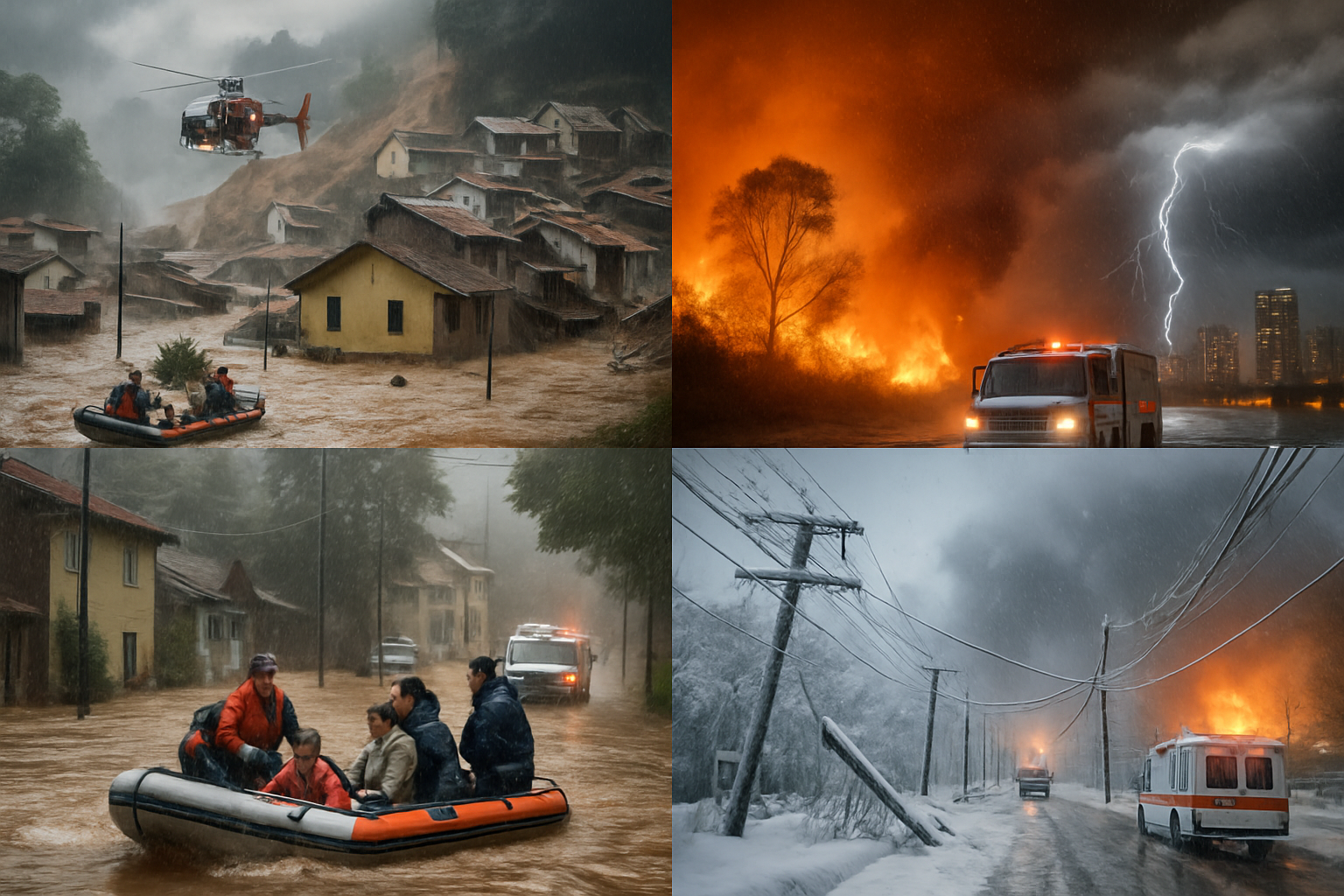
A devastating wave of extreme weather events is battering multiple continents simultaneously, marking one of the most severe global climate crises on record as emergency services struggle to cope with an unprecedented convergence of floods, storms, and temperature extremes across four continents.
The latest developments span from the Caribbean to Europe, with new reports emerging of catastrophic infrastructure damage and historic temperature records being shattered. This crisis represents a continuation of the extreme weather pattern that has already claimed over 140 lives across North America, Japan, and Europe since late January 2026.
Colombia Faces Infrastructure Collapse
Colombia is grappling with severe flooding that has caused critical infrastructure failures. The Mulatos River bridge connecting Urabá and Montería has collapsed after sudden river surges swept away a section of the national highway. The bridge failure has severed a vital transportation link between these key regions, disrupting commerce and isolating communities.
In Cartagena's northern zone of Manzanillo, devastating waves reaching four meters in height have destroyed 75% of coastal businesses. Of the 105 commercial establishments operating along the waterfront, only 30 survived the assault of massive waves combined with intense rainfall and high winds. The economic impact is catastrophic for this tourist-dependent region.
Historic Temperature Extremes in the Caribbean
Cuba has recorded an unprecedented milestone in its meteorological history, with temperatures dropping to 0 degrees Celsius at the Indio Hatuey weather station. This marks the lowest temperature ever recorded in the island nation, representing a dramatic departure from typical Caribbean climate patterns.
"This is an absolutely extraordinary meteorological event for Cuba. We've never seen temperatures approach freezing in our historical records,"
— Source: Canal 2 Weather Analysis
The freezing temperatures in Cuba are part of a broader pattern of extreme cold affecting regions typically known for warm climates, including unprecedented frost in Guatemala and historic cold waves across Central America.
European Storm Systems Intensify
Europe is bracing for Storm Leonardo, which threatens to bring additional devastation to regions still recovering from previous weather disasters. Ireland's government has approved a significant increase in aid for businesses affected by recent flooding, raising assistance from €20,000 to €100,000 per affected enterprise.
The Irish announcement comes as authorities warn residents to prepare for further flooding in the coming days, with high spring tides and heavy rainfall creating a perfect storm of conditions. The Cabinet's decision to quintuple business aid reflects the severity of the ongoing crisis and the mounting economic toll.
Portugal and Spain are preparing for Storm Leonardo's arrival, with Portuguese meteorological authorities warning of intense and potentially devastating rainfall. This comes as the Iberian Peninsula is still reeling from the impacts of Storm Kristin, which caused extensive damage and multiple fatalities just weeks earlier.
Spanish authorities have issued red and orange weather warnings for Seville, Cadiz, and Malaga, indicating "extraordinary danger" conditions. Local governments have suspended classes in affected areas and deployed military personnel for emergency response preparations.
Global Pattern of Unprecedented Extremes
These latest events are part of a broader global pattern of extreme weather that has emerged in early 2026, occurring despite January being recorded as the hottest month in global history. The paradox of simultaneous extreme heat records and devastating cold snaps illustrates the increasing volatility of Earth's climate systems.
The current crisis follows devastating winter storms that killed over 110 people in North America, while Japan has reported 30 deaths from record snowfall. European nations have faced their harshest winter conditions in decades, with some countries experiencing their coldest temperatures in 25 years.
Infrastructure Under Siege
The extreme weather is placing unprecedented strain on global infrastructure systems. Transportation networks are experiencing widespread disruptions, from collapsed bridges in Colombia to ice-blocked highways in Europe. Power grids are struggling to maintain service under extreme temperature variations, while emergency services are stretched beyond capacity.
The economic implications are staggering, with entire sectors of regional economies being devastated within hours. The destruction of 75% of coastal businesses in Cartagena alone represents millions in economic losses and threatens the livelihoods of thousands of workers.
Emergency Response Challenges
Emergency services across affected regions are reporting operational challenges as they attempt to coordinate responses to multiple simultaneous crises. The scope and intensity of these events are testing the limits of existing disaster response frameworks.
Ireland's decision to dramatically increase business aid reflects recognition that traditional response measures are insufficient for the scale of damage being witnessed. Similarly, the deployment of military assets across Spain demonstrates the gravity of the situation facing European authorities.
The World Health Organization has previously warned that funding shortfalls could compromise emergency response capabilities precisely when they are most needed. This crisis is validating those concerns as stretched resources struggle to meet overwhelming demand.
Climate Science Implications
The simultaneous occurrence of extreme weather events across multiple continents is consistent with climate science predictions of increased volatility as global warming disrupts traditional weather patterns. However, the intensity and geographic scope of these events are surprising even seasoned meteorologists.
The fact that these extremes are occurring during what was globally the hottest January on record highlights the complex and often counterintuitive nature of climate change impacts. Regional cooling can intensify even as global temperatures rise, leading to more frequent and severe weather whiplash events.
Looking Ahead
Weather forecasting models suggest that current patterns may persist through February, raising concerns about sustained pressure on emergency services and infrastructure. The approach of Storm Leonardo toward the Iberian Peninsula represents just one of several developing weather systems being monitored by meteorological services worldwide.
Authorities are urging residents in affected areas to prepare for continued extreme conditions and to follow all emergency guidance. The unprecedented nature of current events means that historical experience may provide limited guidance for what lies ahead.
As the global community grapples with this crisis, questions are mounting about the adequacy of current climate adaptation and emergency preparedness systems. The events of February 2026 are likely to prompt significant reassessment of disaster response capabilities and infrastructure resilience standards worldwide.
This ongoing crisis serves as a stark reminder of humanity's vulnerability to extreme weather and the urgent need for enhanced international cooperation in climate adaptation and emergency response. With multiple continents simultaneously battling unprecedented conditions, the global nature of climate challenges has never been more apparent.