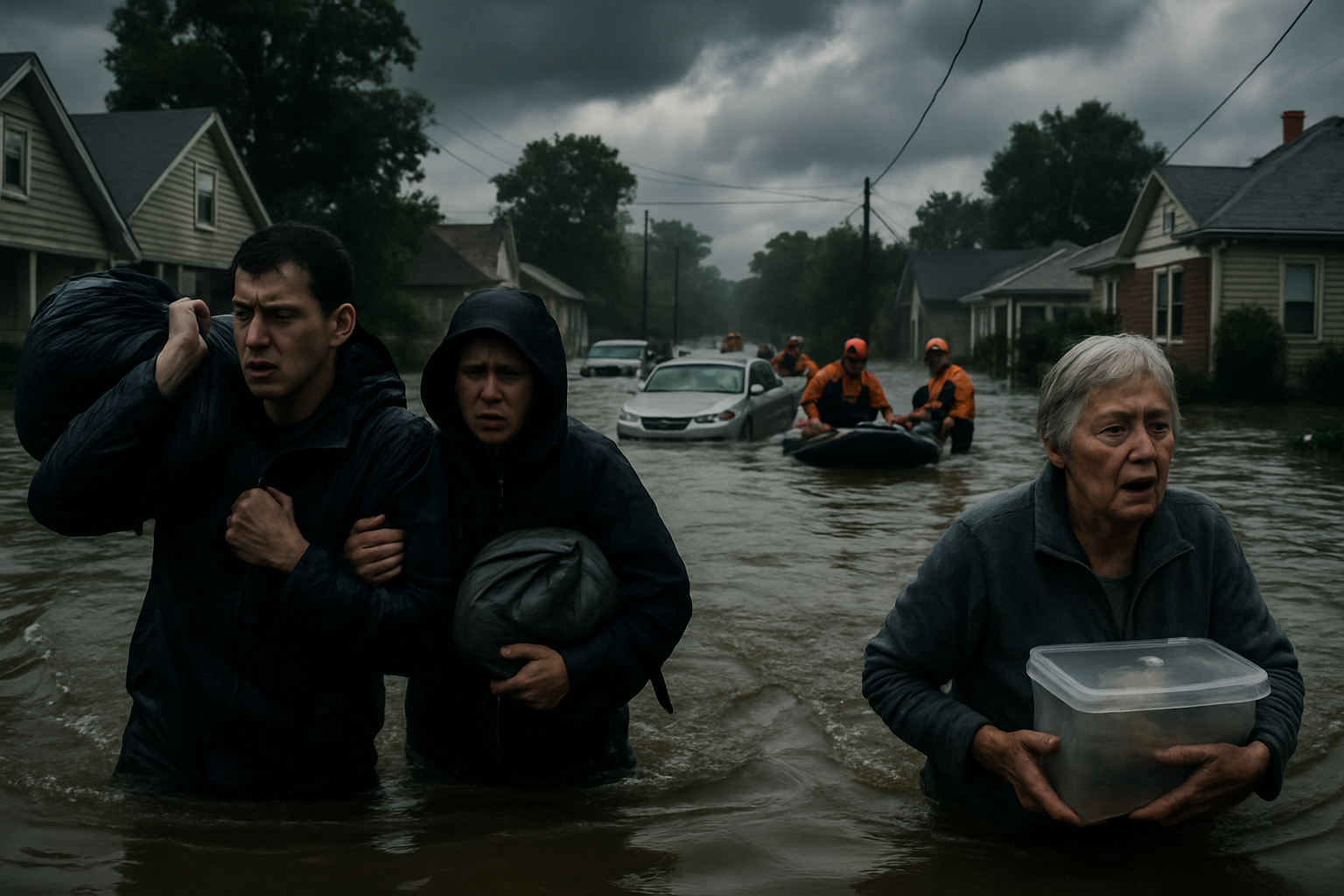
Flooding disasters across multiple continents have claimed hundreds of lives and displaced over one million people as extreme weather events overwhelm emergency services worldwide, marking February 2026 as a pivotal month in the global climate crisis.
From the villages of Mozambique to the suburbs of Dublin, rising waters have exposed the devastating human cost of climate change, with death tolls continuing to mount and rescue operations stretching resources to their limits. The convergence of these disasters highlights the urgent need for enhanced international cooperation and climate adaptation strategies.
Mozambique Bears Heaviest Toll
The most severe impact has been felt in Mozambique, where the National Institute for Disaster Management and Risk Reduction (INGD) reports the death toll from ongoing flooding has risen to 201 people, up from 191 just three days earlier. The floods have affected 852,019 people across 196,762 families since the current rainy season began on October 1, 2025.
According to the latest INGD bulletin dated February 8, the disaster has left 291 people injured and 11 missing. The rising casualty figures are attributed to receding water levels that have allowed access to previously inaccessible areas, revealing the full scale of the devastation.
"The tendency of rising numbers is related to the reduction of water levels, which has permitted access to areas that were previously unreachable."
— INGD Official Statement
The situation may worsen as authorities warn that tropical cyclone Gazene threatens to impact the coastal provinces of Inhambane, Gaza, and Sofala with winds reaching 120 kilometers per hour and accompanied by intense rainfall. An estimated one million people could be affected by this new weather system.
Portugal Battles Third Consecutive Storm
Portugal has been grappling with its own flooding crisis as Storm Marta, the third major Atlantic storm in two weeks, brought 120 km/h winds and devastating rainfall. The Portuguese government has deployed 26,500 rescue personnel in what officials describe as the largest peacetime rescue operation in the country's history.
The crisis has caused widespread infrastructure damage, with power outages affecting 167,000 residents and railway services suspended on multiple lines. The Douro River reached critical 1997 flood levels, while the historic town of Alcácer do Sal experienced flooding that exceeded the catastrophic 1963 levels.
The succession of storms - Kristin, Leonardo, and Marta - has killed at least 14 people and prompted the government to extend the national calamity status through February 15. The crisis even disrupted Portugal's presidential election, though democratic processes continued with remarkable resilience.
Ireland Faces Prolonged Displacement
In Ireland, the aftermath of Storm Chandra has left an entire housing estate in Kilternan, Dublin, abandoned due to severe flood damage. Two weeks after the initial flooding, all residents remain displaced with no clear timeline for their return, highlighting the long-term consequences of extreme weather events.
The Irish Times reports that floodwater damage has rendered the estate uninhabitable, forcing families to seek alternative accommodation while authorities assess the extensive damage to properties and infrastructure.
Widespread European Impact
The flooding crisis extends beyond Portugal, with several northern Portuguese districts under orange weather alerts due to "persistent and sometimes strong" rain. Civil Protection authorities have issued warnings about flood risks as river beds reach maximum capacity.
The extreme weather patterns are part of a broader European crisis that has seen unprecedented conditions across the continent. Sweden and Denmark have provided €246 million in emergency assistance, while the EU Civil Protection Mechanism has been activated to coordinate international response efforts.
Climate Change Connection
These flooding disasters occur against the backdrop of January 2026 being confirmed as the hottest month in recorded history - the 18th of the past 19 months to exceed 1.5°C above pre-industrial levels. This demonstrates how global warming is overriding natural climate variability, even during La Niña cooling conditions.
Climate scientists emphasize that warming temperatures enable more extreme regional weather events through disrupted weather patterns, including the polar vortex effects that have simultaneously brought record cold to some regions while others experience devastating floods.
International Response Mobilizes
The scale of the crisis has prompted unprecedented international cooperation. Germany has delivered €375,000 in emergency aid to Mozambique, including water filters, kitchen sets, and family tents. China, Bangladesh, and Rwanda have also provided substantial assistance, demonstrating the power of South-South cooperation in disaster response.
The United Nations has appealed for $187 million to address the humanitarian crisis in Mozambique alone, with UNICEF requiring €28.8 million specifically for water and sanitation needs. The international response reflects growing recognition that climate disasters require coordinated global action.
Infrastructure Under Strain
The flooding has exposed critical vulnerabilities in infrastructure systems worldwide. Transportation networks have collapsed across affected regions, with airports closed, railways suspended, and major highways impassable. Emergency services are operating at capacity limits, struggling to respond to the sheer scale of simultaneous disasters.
In Mozambique, the completion of repairs to National Highway N1 in Xai-Xai, including the restoration of the Nguluzane River bridge, demonstrates the ongoing effort to rebuild critical infrastructure even as new threats emerge.
Economic and Social Consequences
The economic impact extends far beyond immediate emergency costs. Agricultural sectors have suffered billions in damages, tourism industries face suspension, and insurance claims are surging. In Portugal alone, the agricultural and tourism sectors face devastating losses that will require months or years for full recovery.
The social disruption has been equally severe, with education systems closed, healthcare facilities overwhelmed, and hundreds of thousands of people displaced from their homes. The crisis has particularly impacted vulnerable populations, including children, elderly residents, and low-income communities.
Looking Forward: Adaptation and Resilience
As floodwaters begin to recede in some areas, attention turns to long-term recovery and climate adaptation strategies. The succession of disasters has demonstrated that current emergency response systems, while functional, are strained beyond their intended capacity.
Experts emphasize the urgent need for enhanced climate-adaptive infrastructure, improved early warning systems, and strengthened international cooperation frameworks. The crisis provides a template for how extreme weather events are increasingly disrupting not just daily life, but fundamental democratic and governance processes.
The February 2026 flooding crisis represents a watershed moment in the global climate emergency, demonstrating both the devastating human cost of inaction and the remarkable resilience of international cooperation when faced with shared threats. As recovery efforts continue, the lessons learned will prove crucial for preparing for an era of permanent climate volatility.