The global food industry entered March 2026 confronting an unprecedented convergence of challenges, from fundamental pricing contradictions in the chocolate market to high-profile restaurant safety violations and cultural appropriation controversies, all unfolding against the backdrop of accelerating climate change and evolving consumer expectations.
Chocolate Industry Paradox: Lindt's Strategic Pricing Amid Market Volatility
The chocolate industry faced a striking paradox in early March as Swiss confectionery giant Lindt & Sprüngli announced price increases despite declining cocoa costs. According to Austrian media reports, while cocoa prices have fallen from their 2024 peaks, Lindt has chosen to maintain elevated chocolate prices, with the company's profits "making a leap upward" even as West African cocoa farmers experience collapsing incomes.
This pricing strategy has sparked consumer criticism, with many questioning the disconnect between raw material costs and retail prices. The situation reflects broader concerns about supply chain equity, particularly as cocoa farmers in major producing regions face economic hardship while multinational corporations report strong profit margins.
"The majority of consumers are swallowing steep price increases for chocolate while farmer incomes in West Africa are collapsing"
— Austrian consumer advocacy report
Adding complexity to the market dynamics, Romanian reports revealed that Americans using GLP-1 weight loss medications (such as Ozempic and Mounjaro) are actually consuming more chocolate than the general population, contrary to industry predictions that these medications would reduce confectionery demand. This unexpected trend has provided additional market confidence for chocolate manufacturers like Lindt, based on internal company studies of consumption patterns.
European Food Safety Crisis Deepens
The ongoing food safety crisis that has plagued Europe since early 2026 continued its devastating trajectory with new violations across multiple countries. Bosnia and Herzegovina authorities closed two bakeries in Sarajevo Canton during routine inspections of 20 craft bakeries, following microbiological analysis of swabs that revealed unsatisfactory sanitary-hygienic conditions.
The closures represent part of a broader pattern of food safety enforcement that has intensified throughout 2026, building on previous incidents including the European infant formula crisis that affected over 36 infants across multiple countries with cereulide toxin contamination from major manufacturers like Nestlé and Danone.
Food safety experts note that climate change, with global temperatures now exceeding 1.5°C above pre-industrial levels for the 19th consecutive month, has created optimal conditions for pathogen growth while disrupting traditional preservation methods. This environmental stress has amplified existing vulnerabilities in food processing and storage systems.
Michelin Guide Shakeup: Prestigious Losses and Chef Rebellion
The culinary world experienced significant upheaval as the Michelin Guide announced major changes that sent shockwaves through fine dining establishments. L'Ambroisie, the legendary Paris restaurant, lost its three-star rating, while chef Sébastien Bras saw his restaurant Le Suquet in Aveyron downgraded, marking the latest chapter in his nearly decade-long struggle to be removed from the guide's pressure.
The developments highlight growing tensions between traditional restaurant evaluation systems and evolving chef perspectives on recognition and pressure. Bras has consistently requested removal from the Michelin Guide, citing the psychological and operational stress of maintaining starred status as detrimental to his culinary philosophy and staff well-being.
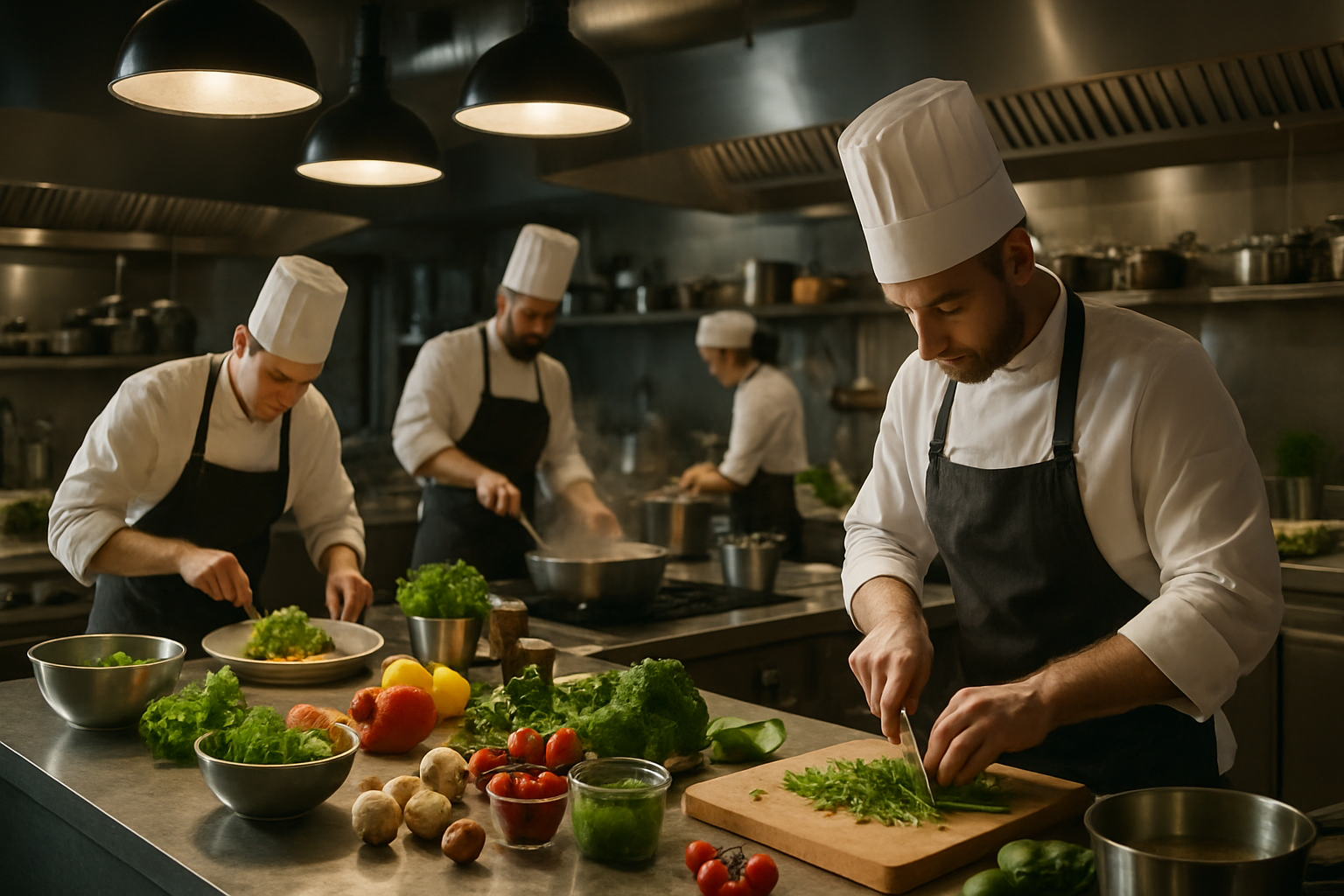
Copenhagen's Noma Scandal: Workplace Culture Under Scrutiny
The renowned Copenhagen restaurant Noma, long celebrated as a pinnacle of Nordic cuisine innovation, faced severe reputational damage as 30 former employees publicly described workplace violence as routine. The allegations prompted sponsors to withdraw support from Noma's planned United States operations, highlighting growing awareness of toxic workplace cultures in high-end hospitality.
The scandal represents a broader reckoning within the fine dining industry, where demanding work environments have historically been normalized under the guise of culinary excellence. The withdrawal of financial backing signals that investors and corporate partners are increasingly unwilling to associate with establishments accused of workplace misconduct, regardless of their culinary prestige.
Cultural Appropriation Debate Intensifies
The French city of Lille became the epicenter of a heated debate about cultural appropriation in the culinary industry when a coffee shop called "Viet Coffee" faced criticism for marketing itself as Vietnamese despite having no Vietnamese staff members. The controversy has reignited complex discussions about cultural authenticity, business ownership, and the boundaries of culinary inspiration versus exploitation.
Critics argue that the establishment represents a broader pattern of cultural appropriation where European entrepreneurs profit from ethnic cuisines without meaningful connection to or representation of those cultures. Supporters counter that culinary fusion and cross-cultural inspiration have always been fundamental to food evolution, questioning where legitimate appreciation ends and appropriation begins.
The debate reflects growing consumer awareness of cultural sensitivity in food marketing and the increasing importance of authentic representation in an industry where ethnic cuisines have become mainstream commercial opportunities.
Regulatory Response and Industry Standards
Food safety authorities across Europe have implemented enhanced monitoring protocols in response to the ongoing crisis. The European Food Safety Authority (EFSA) has revised safety thresholds and developed standardized international protocols for detecting heat-stable toxins that survive conventional pasteurization processes.
Consumer confidence in multinational food corporations has declined measurably, driving a shift toward local sourcing and simplified supply chains that offer greater transparency and traceability. Social media platforms have emerged as powerful enforcement tools, with viral videos exposing violations and accelerating regulatory responses.
Economic Implications and Market Transformation
The convergence of safety crises, cultural controversies, and climate pressures has created significant economic implications for the global food industry. Insurance costs are mounting for food manufacturers, with mandatory investments in molecular testing infrastructure becoming standard requirements. The infant formula sector faces particular challenges, with potential long-term market share losses due to consumer trust erosion.
Industry experts identify 2026 as a critical transformation turning point, requiring enhanced international coordination, climate-adaptive processing technologies, and prevention-focused approaches that integrate traditional dietary wisdom with modern safety science.
Looking Forward: Prevention and Resilience
As the global food industry navigates these unprecedented challenges, success depends on sustained political commitment, adequate funding, and effective oversight that can adapt to rapidly changing environmental and social conditions. The industry must balance innovation with patient safety, cultural sensitivity with commercial viability, and global efficiency with local authenticity.
The events of March 2026 serve as a watershed moment, demonstrating both the vulnerabilities and adaptability of global food systems. Whether these challenges catalyze positive transformation or deeper crisis will largely depend on the industry's willingness to embrace comprehensive reforms that prioritize consumer safety, cultural respect, and environmental sustainability over short-term profits.
"The window for building resilient, equitable food systems is narrowing rapidly as environmental pressures accelerate and consumer expectations evolve"
— International food security expert
The path forward requires unprecedented cooperation between regulators, industry leaders, and communities to ensure that the global food system can serve growing populations while protecting both cultural heritage and planetary resources in an era of accelerating change.