The global food industry is experiencing a renaissance driven by innovative entrepreneurs who blend traditional culinary wisdom with modern health science, from Italian street food concepts in Buenos Aires to breakthrough research validating the cognitive benefits of coffee and tea consumption.
The culinary world is witnessing unprecedented transformation as food entrepreneurs worldwide draw inspiration from traditional cuisines while incorporating cutting-edge health research into their business models. Recent developments across South America reveal how personal culinary discoveries are evolving into innovative restaurant concepts that challenge conventional dining paradigms.
Italian Street Food Revolution in Argentina
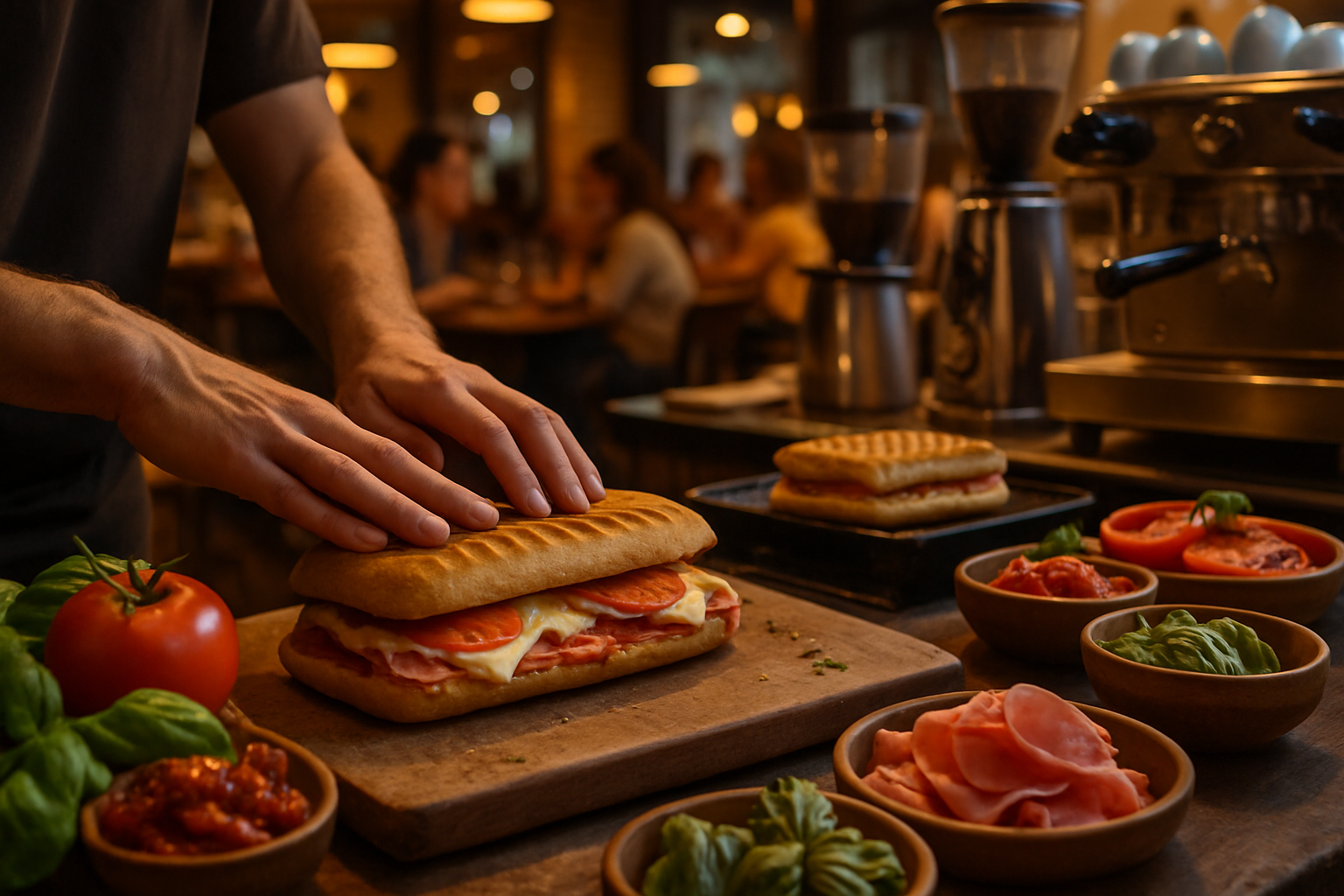
The story begins in Florence, Italy, where a chance encounter with authentic Italian panini would ultimately reshape Buenos Aires' food scene. Hernán Giménez Roland, a 32-year-old entrepreneur from Don Torcuato, discovered his calling during a morning museum tour that led him to a small panini shop near the Ponte Vecchio.
"The line extended half a block, but moved with surprising speed, and everyone left with smiles on their faces," Roland recalled. The sandwiches were massive, filled with generous portions of artisanal cheeses, cold cuts, and house-made sausages. The combination of dimensions, filling, and especially the bread quality convinced him to pivot from his software career to gastronomy.
Roland's experience exemplifies a broader global trend where traditional regional cuisines are being reinterpreted and transplanted across continents. His venture represents the growing movement of "culinary migration," where authentic food experiences discovered during travel inspire entrepreneurs to introduce these concepts to new markets.
"This discovery changed everything for me. The quality, the authenticity, the joy on people's faces - this is what food should be about."
— Hernán Giménez Roland, Food Entrepreneur
Scientific Validation of Traditional Beverages
Parallel to these culinary innovations, groundbreaking scientific research is validating the health benefits of traditional beverages that have accompanied food for centuries. A comprehensive study published in February 2026 has established definitive links between moderate coffee and tea consumption and reduced dementia risk.
Researchers identified that optimal benefits occur with consumption of 2-3 cups of caffeinated coffee daily or 1-2 cups of tea. This research builds on extensive documentation of the health benefits of traditional beverages, adding cognitive protection to the already established cardiovascular and metabolic advantages.
The timing of this research is particularly significant as the global coffee and tea industry faces unprecedented challenges and opportunities. Climate change is affecting traditional growing regions while consumer demand for health-conscious beverages continues to surge.
Convergence of Tradition and Innovation
The intersection of traditional food wisdom and modern health science represents a fundamental shift in how the food industry approaches product development and consumer education. This convergence is evident in several global trends:
- Artisanal food preparation techniques being scaled for urban markets
- Traditional ingredient combinations validated through nutritional science
- Heritage recipes adapted for contemporary dietary requirements
- Local sourcing strategies supporting both authenticity and sustainability
Restaurant industry analysts note that this trend extends beyond simple menu innovation to encompass entire business model transformations. Successful ventures are increasingly focusing on storytelling, cultural authenticity, and health transparency rather than pure convenience or price competition.
Health-Conscious Consumer Evolution
The validation of coffee and tea's cognitive benefits arrives at a crucial moment when consumers are increasingly scrutinizing the health implications of their food and beverage choices. Recent memory research indicates growing concerns about ultra-processed food risks, food safety crises, and the need for personalized nutrition approaches.
This scientific backing provides food service operators with evidence-based marketing opportunities while supporting menu development decisions. The research suggests that traditional beverage service, when properly executed, contributes meaningful health benefits rather than merely providing caffeine delivery.
Global Market Implications
The convergence of culinary innovation and health science is reshaping global food markets in several key ways:
- Premium positioning: Authentic, health-conscious food concepts command higher price points
- Supply chain transparency: Consumers demand detailed ingredient sourcing information
- Cultural authenticity: Traditional preparation methods become competitive advantages
- Health integration: Nutritional benefits drive menu development decisions
Challenges and Opportunities
Despite promising developments, the global food industry faces significant challenges that could impact long-term growth trajectories. Recent memory data reveals ongoing food safety crises, climate-related agricultural disruptions, and supply chain vulnerabilities affecting everything from infant formula to basic commodities.
These challenges create both risks and opportunities for innovative food entrepreneurs. Companies that successfully navigate food safety protocols while maintaining authentic flavors and health benefits are positioning themselves for sustainable competitive advantages.
The success stories emerging from diverse markets - whether Italian-inspired street food in Argentina or scientifically-validated traditional beverages - demonstrate that consumers are willing to pay premiums for authentic, healthy, and innovative food experiences.
Future Industry Outlook
The food industry transformation documented through these developments suggests a fundamental shift toward what industry experts term "conscious consumption." This involves informed decision-making based on health benefits, cultural authenticity, and sustainability considerations rather than pure convenience or price optimization.
For entrepreneurs and established food companies alike, success increasingly depends on the ability to synthesize traditional culinary wisdom with modern health science while maintaining operational efficiency and food safety standards. The examples of successful Italian street food adaptation and validated beverage health benefits provide templates for similar innovations across global markets.
As climate change continues to affect traditional food systems and consumer health consciousness evolves, the industry is likely to see continued convergence between heritage food practices and scientific validation. This trend promises to reshape not only what people eat and drink, but how they understand the relationship between food, culture, and personal health.
The global food industry renaissance represents more than temporary market trends - it signals a fundamental evolution toward food systems that honor cultural traditions while embracing scientific understanding of nutrition and health. For consumers, this translates into more diverse, authentic, and healthful dining options. For entrepreneurs, it creates unprecedented opportunities to build businesses that serve both profit and purpose in an increasingly conscious marketplace.