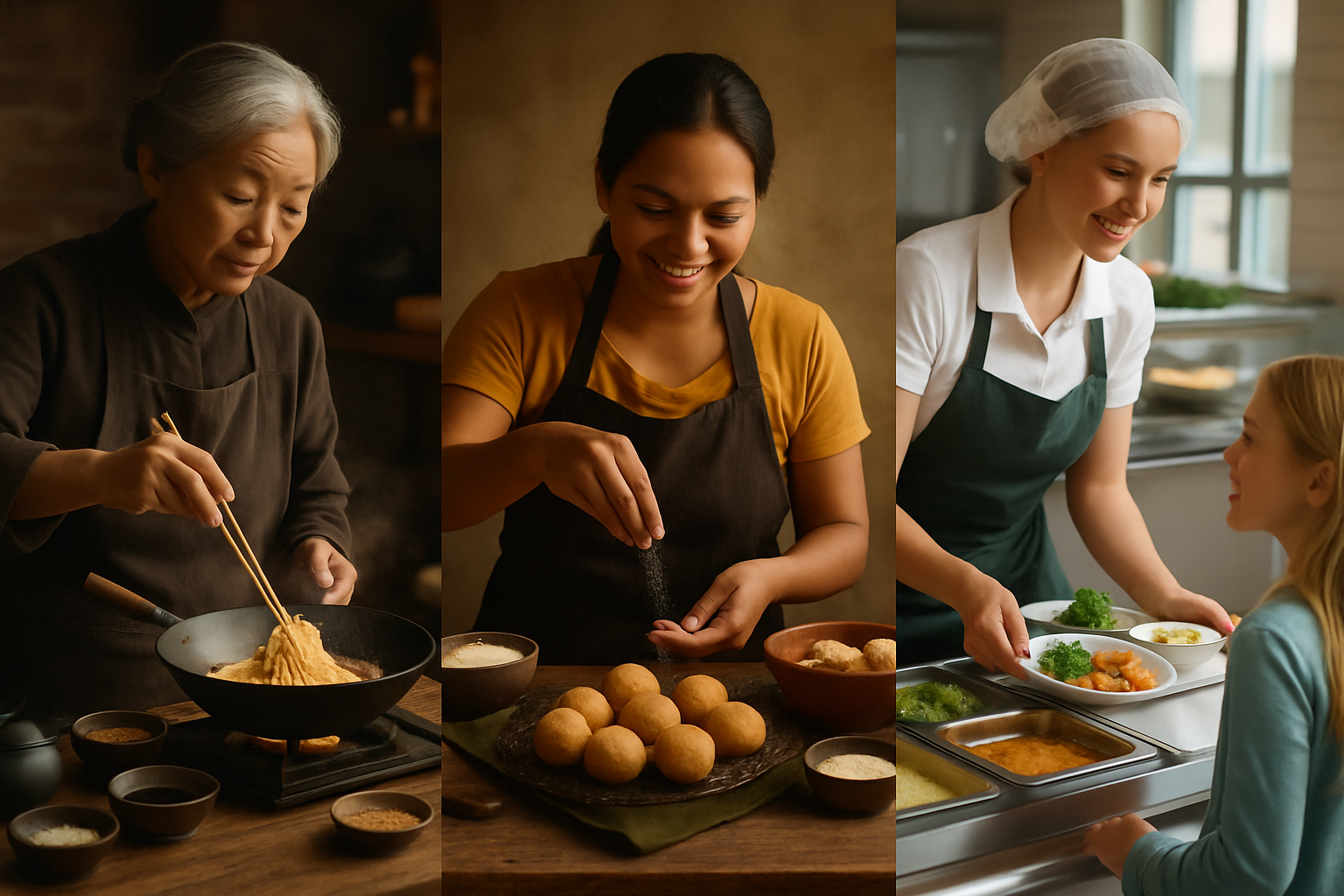
A profound shift is reshaping food culture across continents, as millions embrace traditional wisdom while integrating modern health science—creating what experts call the most significant lifestyle transformation since the industrial revolution.
From China's bustling cities to Nicaragua's traditional markets and Sweden's progressive schools, February 2026 has witnessed an unprecedented convergence of ancient culinary practices with contemporary wellness understanding. This movement represents far more than dietary trends; it signals a fundamental reimagining of how humanity approaches food, health, and community in an interconnected world.
China's "Old-School Humans": Rejecting Fast Living for Traditional Values
In China's major cities, a remarkable cultural revolution is quietly unfolding. Young Chinese, once obsessed with trendy lifestyles, fine dining, and consumption as social currency, are increasingly calling themselves "old-school humans"—embracing quieter, more traditional ways of living that prioritize time with grandparents and family connections over material pursuits.
This movement, which gained over 1 billion online views, represents exhaustion with fast-paced modern life. Stories shared across social media platforms document young professionals spending deliberate time with elderly relatives, learning traditional cooking methods, and rediscovering the value of intergenerational wisdom that sustained Chinese culture for millennia.
"We realized that chasing trends left us empty. Our grandparents have knowledge about food, family, and happiness that no app or restaurant can provide."
— Li Wei, 28, Beijing Marketing Professional
The phenomenon reflects broader global patterns documented in Planet News investigations throughout February 2026, where traditional food preparation emerges as a vehicle for cultural authenticity and personal meaning. Chinese youth are rediscovering home cooking, traditional festival foods, and the social bonds created through shared meals—practices their grandparents never abandoned.
Nicaragua's Lenten Sweet Traditions: Economic Accessibility Meets Cultural Heritage
Simultaneously, Nicaragua demonstrates how economic accessibility can preserve and strengthen cultural food traditions. The favorable pricing of fruits and ingredients for traditional Cuaresma (Lenten) sweets has enabled widespread community participation in centuries-old preparation rituals that blend indigenous, Spanish, and Caribbean influences.
These traditional sweets—including crystallized fruits, coconut confections, and plantain-based treats—represent more than seasonal desserts. They embody a food system where local ingredients, traditional knowledge, and community participation create sustainable cultural practices that support both local economies and social cohesion.
The phenomenon illustrates successful integration of traditional wisdom with contemporary economic realities. Nicaraguan families are discovering that traditional preparation methods often prove more economical than processed alternatives, while providing superior nutritional value and stronger community connections.
Sweden's School Nutrition Revolution: Evidence-Based Traditional Approaches
Sweden's approach to childhood nutrition exemplifies the sophisticated integration of traditional dietary wisdom with modern nutritional science. Professor Agneta Hörnell from Umeå University advocates that special dietary accommodations for children who resist school meals should remain emergency measures, emphasizing that taste development requires exposure and practice.
This philosophy reflects broader understanding documented in Planet News investigations throughout 2026: sustainable health improvements require comprehensive approaches honoring traditional eating patterns while incorporating evidence-based nutritional insights.
"Children need opportunities to taste and learn. This expands their dietary repertoire, but it requires training and patience. Special meals should be reserved for genuine emergencies, not preferences."
— Professor Agneta Hörnell, Umeå University
Swedish educational nutrition policies demonstrate successful balance between individual needs and community dietary standards, creating frameworks that respect cultural food practices while ensuring comprehensive nutritional support for developing children.
The Global Context: A Renaissance Built on Historical Memory
These developments unfold within a broader global food renaissance documented throughout February 2026. From Argentina's Italian street food innovations to Latvia's viral "Marry Me" chicken recipe, communities worldwide are rediscovering that traditional food practices often provide superior health outcomes, stronger social connections, and greater economic sustainability than industrial alternatives.
Historical memory from Planet News investigations reveals consistent patterns: successful food cultures combine authentic traditional practices with selective modern innovations. The Chinese "old-school humans" movement, Nicaraguan Lenten traditions, and Swedish evidence-based nutrition policies each demonstrate this synthesis.
Research consistently shows that traditional dietary patterns—when properly understood and practiced—often exceed modern processed food alternatives in nutritional value, environmental sustainability, and social cohesion. The Mediterranean diet's documented 25% stroke risk reduction over 20 years exemplifies how traditional eating patterns provide measurable health benefits that industrial food production struggles to replicate.
Technology as Cultural Preservation Tool
Contrary to fears that technology threatens traditional food culture, 2026 evidence suggests sophisticated digital tools can strengthen cultural preservation. Chinese social media platforms enable intergenerational knowledge transfer, while Nicaraguan communities use digital networks to coordinate traditional preparation gatherings.
Sweden's approach demonstrates how educational technology can support traditional dietary approaches rather than replacing them. Digital tools facilitate nutritional education, meal planning, and community engagement while preserving the fundamental social aspects of shared eating experiences.
This technology-tradition synthesis appears crucial for successful cultural preservation in contemporary contexts. Communities that effectively integrate digital tools with traditional practices report stronger cultural continuity and broader participation across age groups.
Economic Implications: Traditional Practices as Sustainable Systems
Economic analysis reveals traditional food systems often provide superior long-term sustainability compared to industrial alternatives. Nicaragua's accessible traditional ingredients support local agriculture while reducing dependency on imported processed foods. China's renewed emphasis on home cooking reduces restaurant expenditure while strengthening family bonds.
Sweden's evidence-based nutrition policies demonstrate how institutional support for traditional dietary approaches can reduce long-term healthcare costs while improving population health outcomes. Investment in proper nutrition education and traditional food appreciation appears to generate substantial economic returns through reduced medical interventions.
The convergence suggests that traditional food wisdom, when properly supported and understood, often provides economically sustainable pathways that benefit individual health, community resilience, and environmental sustainability simultaneously.
Health Science Validation of Traditional Wisdom
Modern nutritional research increasingly validates traditional dietary practices that communities maintained for generations. The documented benefits of coffee and tea consumption (2-3 cups daily reducing dementia risk by 18%) exemplify how traditional beverages, consumed appropriately, provide measurable health advantages.
Similarly, traditional food preparation methods often preserve nutritional value more effectively than industrial processing. Chinese traditional cooking techniques, Nicaraguan traditional sweet preparation, and Swedish emphasis on whole food exposure each demonstrate superior nutritional outcomes compared to heavily processed alternatives.
This scientific validation provides crucial support for communities seeking to maintain traditional food practices while addressing contemporary health challenges. Evidence-based approaches that honor traditional wisdom while incorporating modern understanding appear most effective for sustainable lifestyle transformation.
Looking Forward: A Template for Global Food System Transformation
The convergence of traditional wisdom with modern health science observed across China, Nicaragua, and Sweden provides templates for broader global food system transformation. Success factors include:
- Respect for intergenerational knowledge transfer
- Economic accessibility of traditional ingredients
- Educational support for traditional practices
- Technology integration that strengthens rather than replaces cultural practices
- Scientific validation of traditional dietary approaches
- Community participation in food culture preservation
As global food systems face mounting pressures from climate change, urbanization, and industrial processing limitations, these examples demonstrate that solutions often lie not in abandoning traditional practices, but in understanding and adapting them for contemporary contexts.
The food culture renaissance of 2026 suggests humanity's future nutritional well-being may depend not on choosing between tradition and modernity, but on synthesizing the best of both approaches into sustainable systems that honor cultural heritage while embracing scientific understanding.
This transformation, observed across continents and cultures, represents more than dietary trends—it signals a fundamental shift toward food systems that prioritize human well-being, cultural authenticity, and environmental sustainability over industrial efficiency alone. The implications extend far beyond individual food choices to encompass community resilience, cultural preservation, and global sustainability in an interconnected world.