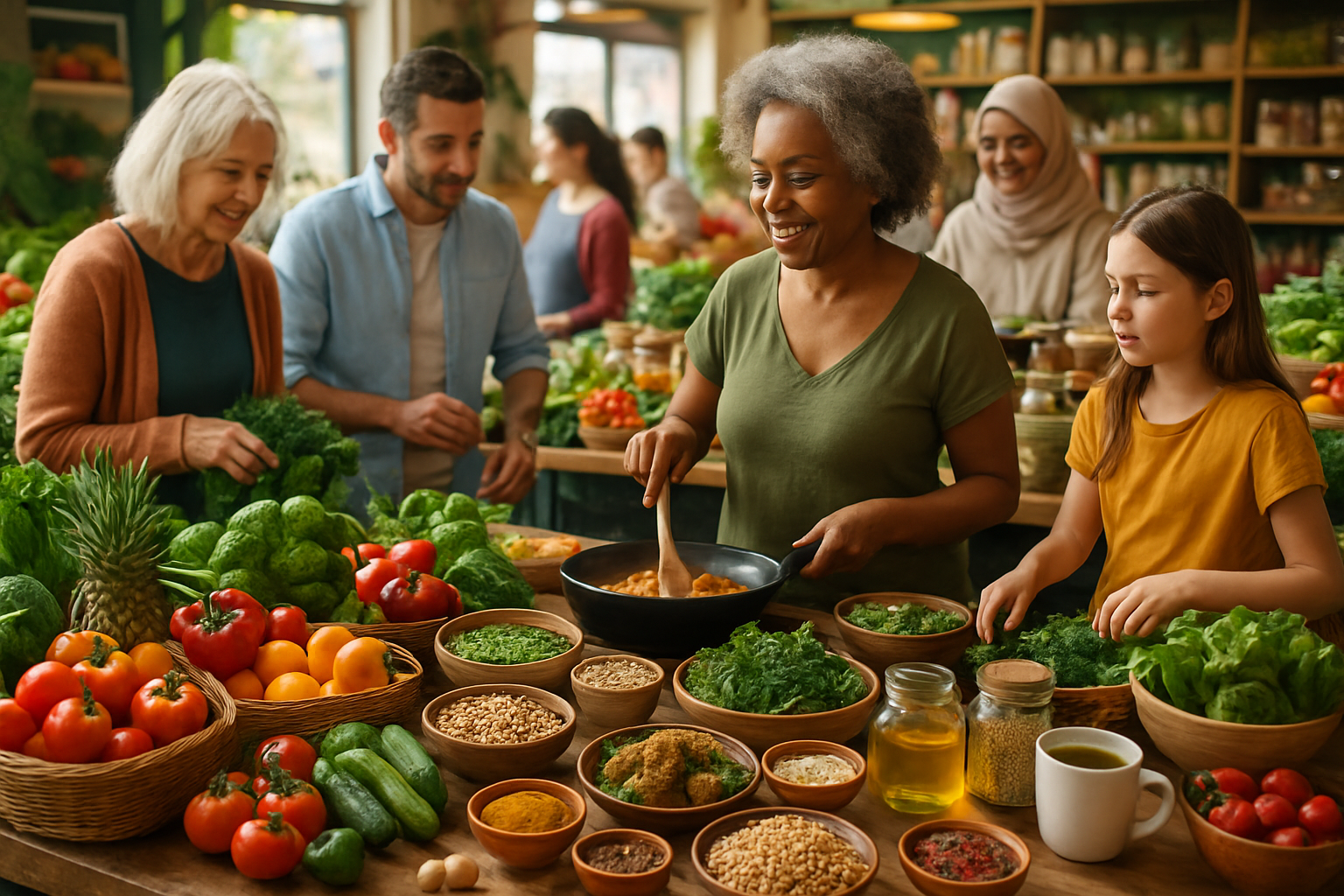
A remarkable transformation is sweeping across global food and lifestyle cultures in 2026, as traditional dietary wisdom converges with cutting-edge nutritional science, creating what health experts are calling the "Therapeutic Revolution of 2026." From Bolivia's bold pork promotion campaign to Slovakia's groundbreaking research on everyday superfoods, countries worldwide are rediscovering the power of authentic, culturally-rooted approaches to nutrition and wellness.
The Meat Renaissance: Bolivia Leads Pork Revolution
Bolivia's Santa Cruz region is spearheading an unexpected food trend with its ambitious "El cerdo está de moda" (Pork is Fashionable) campaign. The Departmental Association of Pig Farmers of Santa Cruz (Adepor) launched this initiative to combat misconceptions about pork consumption while promoting the nutritional benefits of what they're calling the "new fashionable meat."
According to Henrry Chávez, Adepor's manager, the campaign highlights at least 25 different pork cuts available for commercialization, emphasizing the meat's rich protein content and abundance of vitamins B1, B3, B6, and B12, along with essential minerals including potassium, phosphorus, zinc, and iron. "For health reasons, we should consume this meat," Chávez emphasized during the campaign launch.
The timing is strategic. Data from the Bolivian Institute of Foreign Trade (IBCE) reveals that Santa Cruz produces approximately 60,000 pigs monthly, accounting for 80% of national consumption. This agricultural powerhouse is positioning itself not just as a producer, but as a leader in promoting sustainable, locally-produced protein sources.
Nutritional Science Breakthroughs: Slovakia's "Forgotten Superfoods"
While Bolivia promotes traditional proteins, Slovakia's researchers are revolutionizing our understanding of everyday foods. In a breakthrough study, Slovak nutritionists have identified what they're calling "forgotten superfoods" – common, inexpensive ingredients that deliver extraordinary health benefits while challenging the expensive exotic superfood market.
The most significant discovery focuses on pistachios, which researchers describe as a "green miracle in a shell." These nuts demonstrate remarkable abilities to support digestion, protect eyesight, and aid weight management. The research reveals that pistachios can help reduce blood sugar levels and blood pressure while providing optimal nutritional value for dieters.
Simultaneously, Slovak metabolism experts are warning against two common lifestyle habits that accelerate aging and potentially increase cancer risk. While the specific habits weren't detailed in available reports, this research contributes to a growing body of evidence that simple dietary and lifestyle modifications can have profound health impacts.
Food Safety Evolution: Global Enforcement Revolution
The 2026 food landscape is also being shaped by unprecedented food safety vigilance. Colombia's closure of three butcher shops in Ibagué due to cockroach infestations represents a broader global trend toward enhanced food safety enforcement, with authorities conducting more than 140 establishment inspections in the city alone.
This heightened scrutiny comes amid what experts describe as climate-amplified food safety challenges. With 2026 marking consecutive months of unprecedented global warming, traditional food preservation methods are being stressed, requiring more robust safety protocols and regulatory oversight.
Pet Wellness Integration: The Holistic Lifestyle Approach
The lifestyle revolution extends beyond human nutrition to encompass comprehensive family wellness, including pet care. Emerging research from the region emphasizes that proper pet nutrition mirrors many principles driving human wellness trends.
Experts note that while tooth brushing remains the most effective dental care method for dogs, it's not always practical for daily implementation. This has led to increased interest in natural dental care alternatives, including specific foods that can clean dogs' teeth naturally, functioning like natural toothbrushes.
Seasonal Food Economics: Nicaragua's Market Success Story
Nicaragua's food landscape exemplifies how traditional seasonal eating patterns are experiencing renewed relevance in 2026. Summer fruit sales have exceeded expectations during vacation periods, with high market demand driven by intense heat creating natural appetite for hydrating, cooling foods.
Following the Easter season, seafood prices are stabilizing after experiencing high demand during Semana Santa, demonstrating how traditional religious and cultural food practices continue to drive market dynamics. This stabilization maintains active supply chains for families while reflecting the resilience of traditional food systems.
The Science Behind Traditional Wisdom
What makes 2026's food revolution particularly significant is the scientific validation of traditional practices. Research compiled from multiple countries reveals that ancestral dietary patterns often provide superior nutritional outcomes compared to modern industrial alternatives.
The Mediterranean diet continues to demonstrate remarkable health benefits, with 20-year studies showing 25% stroke risk reduction. Similarly, traditional coffee and tea consumption patterns (2-3 cups of coffee or 1-2 cups of tea daily) have been validated by Harvard research involving over 132,000 participants, showing 18% reduced dementia risk through bioactive compounds including polyphenols and caffeine.
Cultural Preservation Through Food Innovation
The 2026 renaissance isn't just about nutrition—it's about cultural preservation through food innovation. Countries are discovering that maintaining traditional food practices while embracing beneficial technological advances creates sustainable competitive advantages in global markets.
This approach reflects what researchers call "conscious consumption"—a movement where consumers make purchasing decisions based on health benefits, cultural authenticity, and environmental sustainability rather than purely economic factors. Premium pricing for authentic, health-conscious, culturally meaningful food experiences is proving economically viable across diverse markets.
Economic Implications: Prevention-First Healthcare Revolution
The lifestyle and food trends of 2026 are occurring within a broader "Prevention-First Healthcare Revolution." Countries implementing comprehensive prevention programs are reporting superior cost-effectiveness compared to traditional treatment-focused approaches.
Economic analyses demonstrate substantial long-term savings through decreased crisis interventions, improved population health outcomes, and enhanced community resilience. This economic imperative is driving policy support for initiatives that promote traditional dietary wisdom, sustainable food systems, and holistic lifestyle approaches.
International Cooperation and Knowledge Sharing
Despite global funding challenges affecting traditional multilateral organizations, 2026 has seen unprecedented bilateral partnerships and peer-to-peer knowledge sharing networks driving food and lifestyle innovation.
Smaller nations are contributing specialized research methodologies while larger countries provide technological innovations and implementation resources. This distributed cooperation model allows flexible, culturally responsive approaches while maintaining evidence-based standards—a framework that's proving more effective than standardized one-size-fits-all approaches.
Technology-Tradition Synthesis: The Path Forward
Successful food and lifestyle innovations in 2026 demonstrate sophisticated integration of cutting-edge technology with traditional knowledge systems. This approach avoids what experts term the "wellness paradox"—where technological solutions create inequality rather than improving access to healthy lifestyles for diverse populations.
Digital platforms are enabling traditional food practice preservation through recipe sharing, ingredient sourcing, and virtual community participation. Social media is serving a dual function: facilitating cultural knowledge transfer while empowering consumer-driven food safety and quality enforcement.
Future Implications: A Global Template
The convergence of traditional dietary wisdom, modern nutritional science, and strategic technology integration observed in 2026 offers unprecedented opportunities for creating food systems that honor cultural heritage while serving contemporary health and environmental needs.
Success factors identified across multiple countries include authentic cultural expression, strategic technology integration, community engagement, international collaboration, and consistent quality standards. The window for building resilient, equitable food systems is narrowing due to accelerating climate pressures, making 2026's innovations critical for global scaling while maintaining cultural authenticity and community benefits.
As we move forward, the food and lifestyle renaissance of 2026 provides a template for global transformation. The tools and knowledge exist for comprehensive responses to immediate challenges while building sustainable foundations for long-term success. The key lies in thoughtful synthesis of traditional wisdom with modern innovation, creating authentic, sustainable, and economically viable approaches that nourish both bodies and communities in our interconnected world.