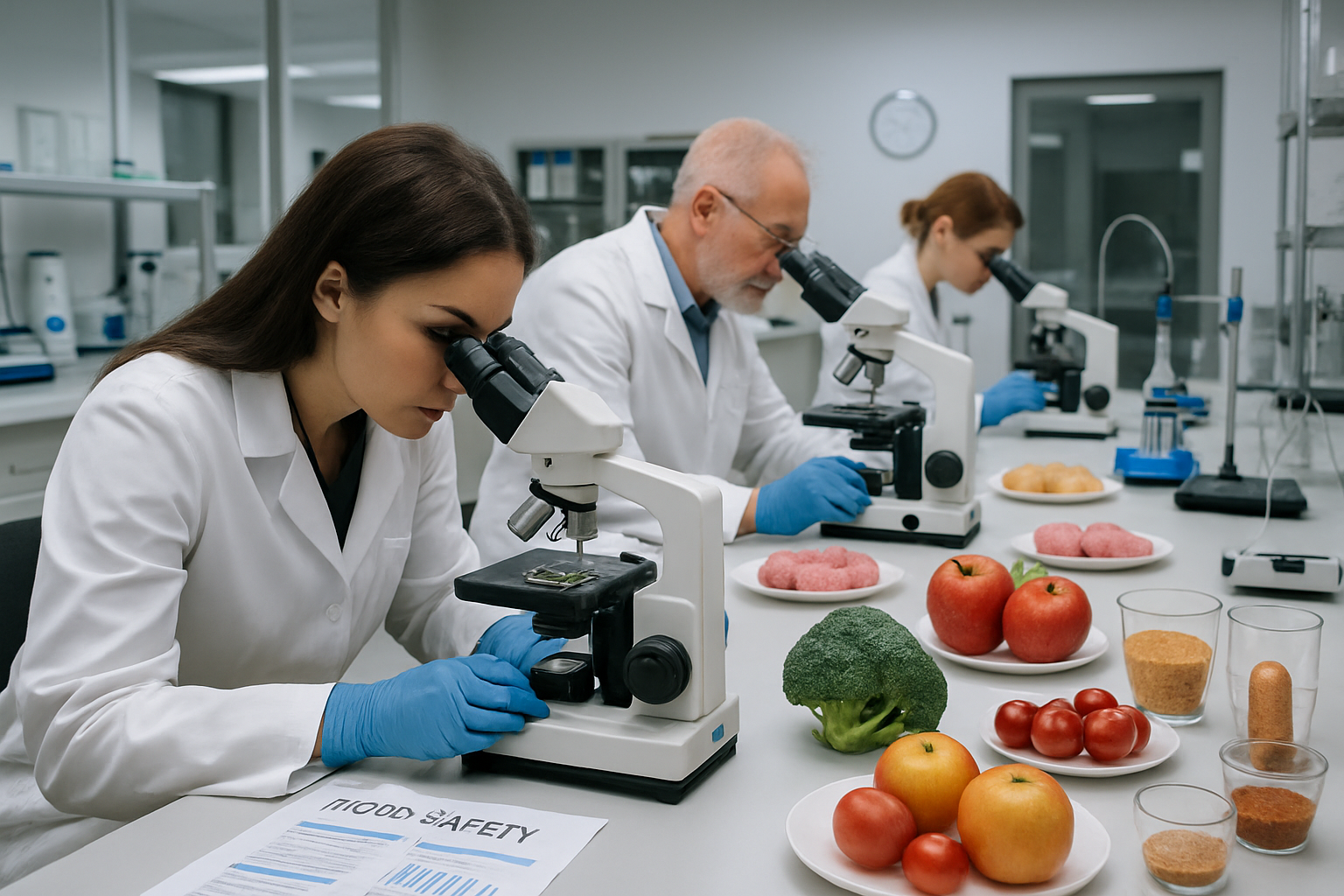
A dangerous new phase of the global food safety crisis has emerged across Europe and beyond, with Austria revealing widespread bacterial contamination in household refrigerators, Slovakia implementing stricter EU import controls following toxic infant formula incidents, and Russia confronting yet another food poisoning outbreak among schoolchildren.
The latest developments underscore the escalating challenges facing food safety systems worldwide, as authorities grapple with both domestic contamination sources and international supply chain vulnerabilities during what experts are calling the most severe food safety crisis in decades.
Austria's Refrigerator Pathogen Discovery
A groundbreaking study conducted in Vienna has revealed that household refrigerators, traditionally viewed as protective barriers against harmful microorganisms, actually harbor thousands of resistant bacteria that pose significant health risks to families across Austria and potentially throughout Europe.
The research, published by Austrian scientists, demonstrates that despite cold temperatures designed to inhibit bacterial growth, refrigerators create unique microbial ecosystems where antibiotic-resistant pathogens can not only survive but thrive. The study's findings suggest that proper cleaning and maintenance protocols are far more critical than temperature control alone.
"While people assume their refrigerators protect against germs, our research shows the interior environments actually support numerous resistant bacteria colonies."
— Vienna Research Team
The Austrian discovery comes at a particularly concerning time, as European food safety authorities are already dealing with the aftermath of the cereulide toxin crisis that affected over 36 infants across the UK, France, Luxembourg, and Greece earlier this year. The compound effect of industrial processing failures and domestic storage contamination creates unprecedented challenges for public health officials.
Slovakia Strengthens EU Import Controls
In response to mounting concerns about contaminated ingredients from China, Slovakia has announced that the European Union will implement significantly stricter import controls on Chinese food ingredients, particularly those used in infant nutrition products.
The enhanced regulatory measures follow the devastating infant formula contamination crisis that swept across Europe in early 2026, when cereulide toxin from Bacillus cereus bacteria was discovered in major brands including Nestlé and Danone products. The heat-stable toxin, which survives pasteurization and standard food preparation methods, caused severe gastrointestinal illness in dozens of infants across multiple European countries.
Slovak authorities have confirmed that several batches of contaminated products were also withdrawn from their domestic market as part of the coordinated European response. The new import protocols will require enhanced molecular testing specifically designed to detect heat-stable toxins that conventional bacterial screening methods cannot identify.
Supply Chain Transparency Demands
European parents and consumer advocacy groups have demanded unprecedented transparency regarding ingredient sourcing, particularly from Chinese suppliers. The crisis has exposed vulnerabilities in global supply chains where complex international sourcing makes contamination tracking extremely difficult.
The European Food Safety Authority (EFSA) has revised safety thresholds for cereulide toxin, identifying contamination levels previously considered acceptable as potentially dangerous to infant health. This regulatory shift has prompted manufacturers to invest heavily in new testing infrastructure and quality control systems.
Russia's Shawarma Poisoning Incident
Russian health authorities are investigating another food poisoning incident involving schoolchildren who became ill after consuming shawarma, adding to the growing list of contaminated food cases that have plagued the country throughout 2026.
The incident, which affected multiple Russian schoolchildren, represents part of a broader pattern of food safety violations that have emerged across Eastern Europe and beyond. While specific details about the number of affected students and the severity of their conditions remain under investigation, the case highlights ongoing challenges in restaurant food safety protocols.
This latest poisoning follows a series of similar incidents across the region, including the massive seizure of contaminated meat products in Algeria and restaurant closures in Malaysia for food recycling violations that were exposed through viral social media videos.
Climate Change Amplifies Food Safety Risks
The current food safety crisis is occurring during what scientists have confirmed as the 18th consecutive month of global temperatures exceeding 1.5°C above pre-industrial levels, with January 2026 marking the hottest month in recorded history.
Climate experts warn that elevated temperatures create optimal conditions for pathogen growth while simultaneously disrupting traditional food preservation methods and agricultural cycles. This environmental pressure compounds existing vulnerabilities in food processing, storage, and distribution systems worldwide.

International Cooperation and Response
The multi-national scope of current food safety challenges has prompted unprecedented levels of international cooperation among regulatory authorities. The European Commission is coordinating response protocols across member states, while organizations like EFSA are developing standardized detection methods and early warning systems.
Social media platforms have emerged as unexpected allies in food safety enforcement, with viral videos exposing violations leading to accelerated regulatory responses. The phenomenon was particularly evident in Malaysia, where restaurant closures followed community reporting of food recycling violations.
Enhanced Testing Protocols
Food safety authorities worldwide are implementing enhanced molecular testing protocols specifically designed to detect heat-stable toxins that survive conventional pasteurization and food preparation methods. These advanced testing requirements represent a significant shift from traditional bacterial screening approaches.
The investment in new testing infrastructure is substantial, with manufacturers facing increased insurance costs and mandatory molecular testing requirements. However, experts argue that prevention-focused approaches ultimately prove more cost-effective than crisis response measures.
Economic and Consumer Impact
The ongoing food safety crisis has triggered measurable shifts in consumer behavior, with declining confidence in multinational food corporations driving increased demand for local sourcing and simplified supply chains. This trend is particularly pronounced in the infant formula sector, where parents are seeking greater transparency and traceability.
Economic implications extend beyond immediate recall costs to include rising insurance premiums, testing infrastructure investments, and potential long-term market share losses for companies associated with contamination incidents. The infant formula sector has been particularly affected, with some manufacturers facing significant revenue declines.
"Consumer trust, once lost, requires years to rebuild. The companies that prioritize transparency and invest in prevention will emerge stronger from this crisis."
— Industry Food Safety Expert
Prevention-Focused Transformation
Industry experts increasingly characterize 2026 as a critical turning point for global food safety practices, marking a fundamental shift from reactive crisis management to proactive prevention strategies. This transformation integrates traditional dietary knowledge with modern safety science and climate-adaptive processing technologies.
Countries implementing comprehensive prevention programs have demonstrated superior cost-effectiveness compared to traditional treatment-focused approaches, with better population health outcomes and reduced emergency intervention costs.
Traditional Wisdom Integration
Successful food safety approaches increasingly combine cutting-edge technology with traditional food preservation and preparation knowledge. This integration acknowledges that sophisticated safety protocols alone cannot address the complex intersection of environmental, economic, and social factors affecting global food systems.
The convergence of traditional practices with modern safety science offers promising pathways for building more resilient food systems that can withstand climate pressures while maintaining cultural authenticity and nutritional value.
Looking Forward: Critical Decisions
The food safety challenges of February 2026 represent more than isolated incidents—they signal a fundamental test of the global community's ability to protect public health while maintaining food security during an era of accelerating climate change and evolving pathogen risks.
Success in addressing these challenges requires sustained political commitment, adequate funding for prevention and response systems, effective international oversight mechanisms, and unprecedented cooperation across borders. The choices made in 2026 will likely determine the trajectory of global food security for decades to come.
As authorities in Austria work to educate consumers about proper refrigerator hygiene, Slovakia strengthens import controls on Chinese ingredients, and Russia investigates its latest food poisoning incident, the international community faces a critical moment that demands both immediate response and long-term systemic reform.
The stakes extend beyond regulatory compliance to encompass fundamental questions about food system resilience, consumer protection, and the balance between global trade benefits and public health security in an interconnected but increasingly vulnerable world.