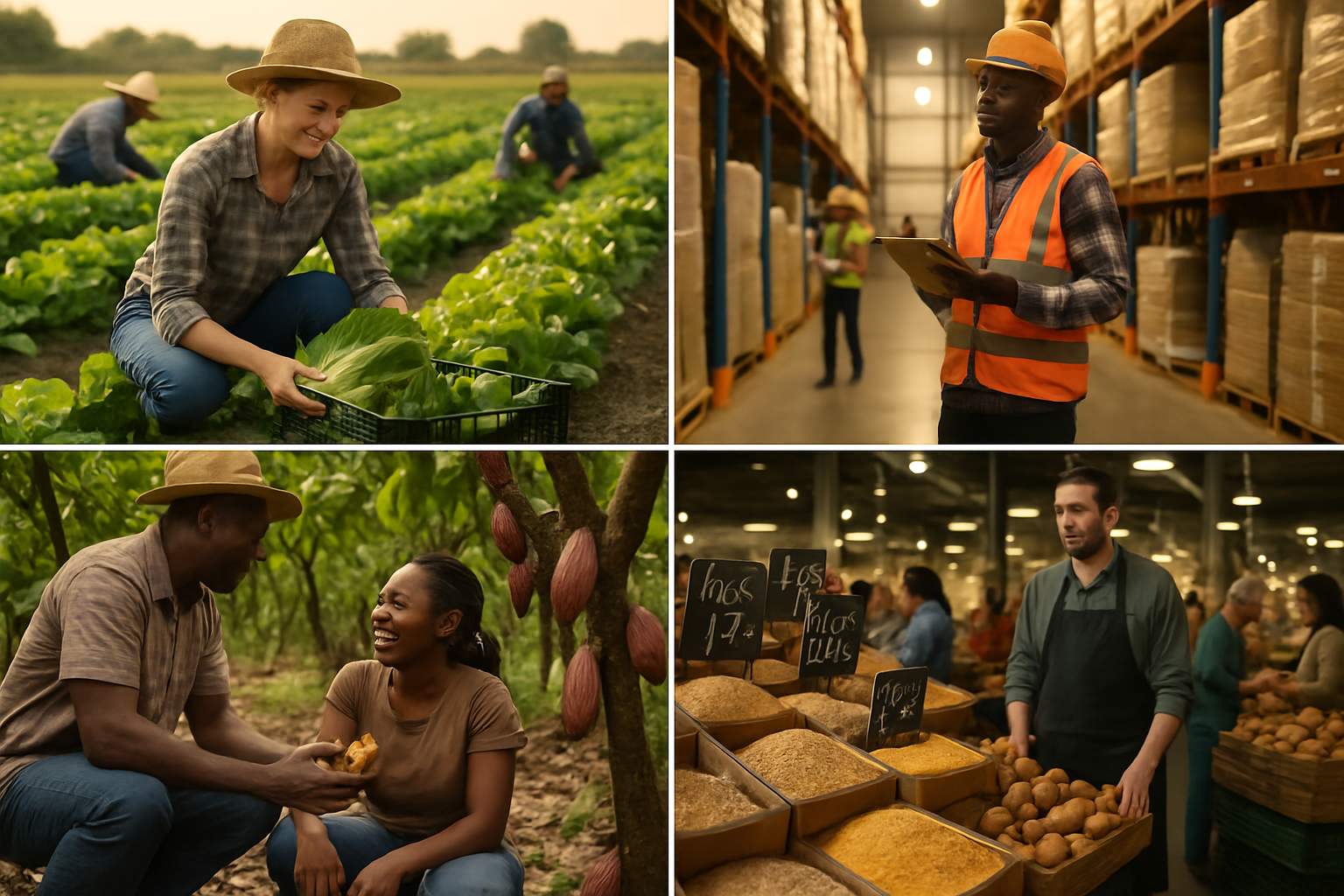
Global food security faces mounting pressures as agricultural systems worldwide grapple with price volatility, supply chain disruptions, and farmer economic distress, with developing nations bearing the brunt of these interconnected challenges.
A comprehensive analysis of recent developments across three continents reveals the multifaceted nature of the current food security crisis, from seasonal market adjustments in Bangladesh ahead of Ramadan to structural challenges facing cocoa farmers in Ghana and broader trends affecting global food commodity prices.
Regional Market Dynamics and Price Fluctuations
In Bangladesh, vegetable and meat prices have begun to ease ahead of Ramadan, providing some relief to consumers preparing for the holy month. According to local sellers in Dhaka, fish prices remain largely unchanged, though the broader food market shows signs of seasonal adjustment typical for this period.
Meanwhile, Slovakia is experiencing a notable decline in global food prices that has persisted for nearly six months. Sugar prices have dropped by almost 20% compared to the previous year, reflecting broader deflationary pressures in international commodity markets.
These divergent price patterns highlight the complex regional variations in food security challenges, where local market dynamics interact with global supply chain pressures to create varied outcomes for consumers and producers.
Agricultural Producer Distress Intensifies
The situation is particularly dire for specialized agricultural producers, as exemplified by the crisis facing Ghana's cocoa farmers. Dr. Randy Abbey, Chief Executive Officer of the Ghana Cocoa Board (COCOBOD), has acknowledged the mounting economic pressures confronting producers across the country.
"We know these are very difficult times for the farmers and I can assure you, we are looking for solutions soon,"
— Dr. Randy Abbey, CEO of COCOBOD
The challenges facing Ghana's cocoa sector reflect broader trends affecting agricultural producers globally, including rising production costs, climate-related risks, and funding constraints that have severely impacted farmer incomes and output levels. COCOBOD is engaging key stakeholders, including government and industry players, to design interventions aimed at improving sustainability and strengthening support systems for farmers.
Systemic Pressures on Agricultural Systems
The current agricultural crisis occurs within a context of unprecedented environmental challenges. January 2026 marked the hottest month in recorded history, with 18 of the past 19 months exceeding 1.5°C above pre-industrial levels. These extreme weather patterns are disrupting traditional agricultural cycles and increasing production risks for farmers worldwide.
Recent memory of past crises provides context for current challenges. Earlier investigations revealed devastating floods in Algeria affecting multiple provinces, with specialized teams evaluating losses for farmers and livestock breeders. Similar patterns of climate-related agricultural disruption have been documented across multiple continents, from Storm Leonardo's impact on Iberian agriculture to severe weather affecting farming operations in various regions.
Supply Chain Vulnerabilities Exposed
The global food security crisis has exposed critical vulnerabilities in supply chain systems that have developed over decades. These range from regulatory challenges affecting food safety to infrastructure limitations that prevent efficient distribution of agricultural products.
Food safety crises have emerged as a significant concern, with recent contamination incidents affecting infant formula across Europe and meat safety issues in multiple countries demonstrating the interconnected nature of global food systems. These incidents have highlighted the need for enhanced international coordination and more robust safety monitoring systems.
Infrastructure and Distribution Challenges
Distribution infrastructure remains a critical bottleneck in many regions. Recent developments have shown how extreme weather events can rapidly disrupt supply chains, forcing costly rerouting and creating temporary shortages even in well-developed markets.
The situation is compounded by energy sector volatility, with natural gas prices surging 24% in Europe and 78% in the United States, increasing costs throughout the food production and distribution chain. These energy price increases directly impact agricultural operations, from fuel costs for farming equipment to refrigeration and transportation expenses.
International Response and Cooperation Efforts
Despite these challenges, significant international cooperation efforts are underway to address food security concerns. The Norwegian Church Aid launched a $2.9 million agricultural transformation program in South Sudan, representing a multi-partner approach to addressing some of the world's worst food crises.
Regional initiatives have also shown promise, with Niger achieving cereal market price stabilization after elevated early 2026 levels. Weekly market analysis confirmed stable prices despite regional security challenges, demonstrating that targeted interventions can achieve positive outcomes even in difficult circumstances.
Technology and Innovation Solutions
Agricultural innovation continues to advance, with countries like Belize launching IAEA-supported climate-smart agriculture programs using nuclear techniques. These initiatives represent the integration of advanced technology with traditional farming knowledge to build climate resilience.
Algeria has pioneered groundbreaking innovations such as the "Tamr Al-Aghanm" (Date Feed) project, which converts date waste into livestock feed. This circular economy approach demonstrates how agricultural waste can be transformed into valuable inputs for other parts of the food system.
Economic and Trade Policy Implications
Food security challenges have significant implications for international trade policy. Recent developments include India's protection of agricultural sectors in bilateral trade agreements, specifically excluding cereals, maize, soybeans, and genetically modified foods from trade liberalization to protect domestic farmers and food security.
These protectionist measures reflect growing recognition among policymakers that food security represents a strategic national interest that may require deviation from pure free trade principles. The balance between economic efficiency and food security has become a central consideration in international economic negotiations.
Financial System Adaptations
Financial institutions are adapting to support agricultural development through new mechanisms. Ghana's Access Bank leadership has emphasized the critical role of efficient payment systems for African agricultural trade, calling for a single African currency to enable seamless trade and reduce transaction costs for farmers and traders.
These financial innovations are complemented by programs like the Zero Hunger Trust Fund, which is marking its 10th anniversary with planned activities across multiple countries. Such initiatives demonstrate the long-term commitment required to address structural food security challenges.
Climate Change and Agricultural Adaptation
The intersection of climate change and food security has become increasingly apparent. With January 2026 recording unprecedented global temperatures despite La Niña conditions that typically provide cooling, agricultural systems are facing conditions that override natural climate variability.
Adaptation strategies are becoming essential for agricultural survival. Kenya's Nguruman irrigation scheme rehabilitation benefiting over 10,000 farmers demonstrates how infrastructure investment can build resilience against climate-related disruptions. Similarly, Rwanda's identification of 417,000 hectares of undeveloped irrigation potential shows the scale of adaptation opportunities available.
Regional Cooperation Models
Regional cooperation has emerged as a critical component of food security strategies. Cambodia's Agricultural Market Incentive System (AIMS) promotes gender integration and market access for smallholder farmers, while Mexico's "Sembrando Vida" program showcases Indigenous communities' agricultural knowledge at international forums.
These initiatives emphasize the importance of combining traditional knowledge with modern technology, creating approaches that respect cultural practices while building climate resilience and market integration capabilities.
Looking Forward: Systemic Changes Required
The convergence of multiple challenges facing global food systems requires comprehensive policy responses that address immediate crises while building long-term resilience. This includes enhanced international cooperation, strategic stockpiling coordination, and investment in climate-adapted agricultural infrastructure.
Success will depend on sustained political commitment across electoral cycles, continued technological innovation, and recognition that food security represents a global public good requiring coordinated action. The current crisis provides an opportunity to build more resilient and equitable food systems, but only if policymakers and international institutions can move beyond reactive responses to implement systematic reforms.
As Dr. Abbey's comments about Ghana's cocoa farmers illustrate, the human dimension of food security cannot be overlooked. Behind every market fluctuation and policy decision are millions of farmers and food workers whose livelihoods depend on the stability and fairness of global food systems. Their welfare must remain central to any sustainable solution to the ongoing food security challenges facing the world in 2026.