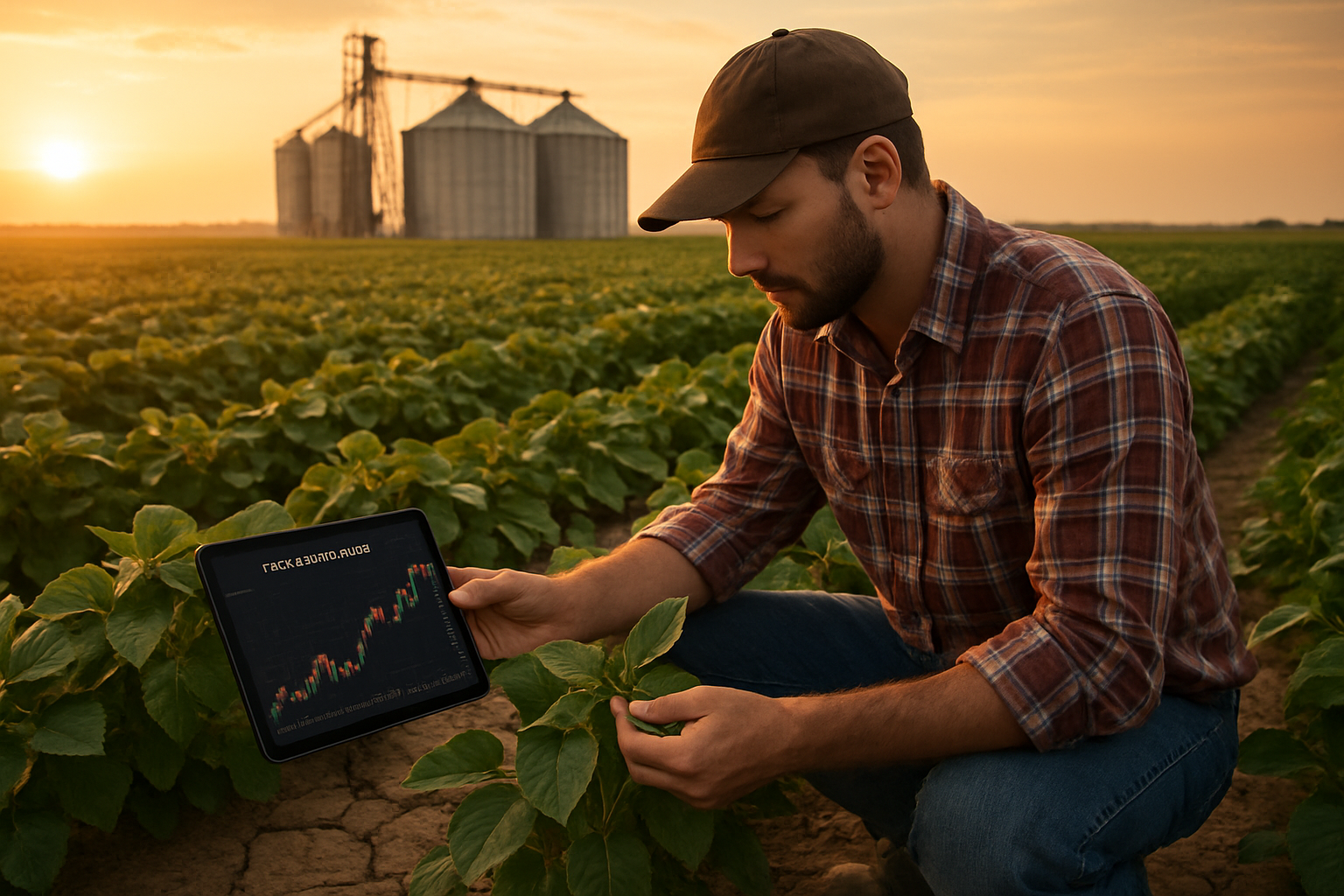
Global food prices have risen for a second consecutive month in March 2026, driven primarily by energy cost increases linked to Middle East conflicts, while nations across multiple continents implement emergency agricultural initiatives to address deepening food security challenges.
According to the latest Food Price Index from the UN's Food and Agriculture Organization (FAO), global food prices reached 128.5 points in March, marking a 2.4% increase from February's adjusted levels. The surge comes as the world faces its 20th consecutive month with temperatures exceeding 1.5°C above pre-industrial levels, creating unprecedented stress on agricultural systems worldwide.
Middle East Conflicts Drive Energy-Food Crisis
The current food price inflation is intrinsically linked to the ongoing energy crisis stemming from conflicts in the Middle East. Iran's closure of the Strait of Hormuz - affecting 40% of global seaborne oil transit - has created cascading effects throughout the global food system. Natural gas prices have surged 24% in Europe and 78% in the United States, reaching €47.32/MWh, the highest levels since February 2025.
Maximo Torero, the FAO's chief economist, noted in a statement that "price increases since the conflict began have been moderate, driven mainly by rising oil prices, and tempered by abundant global grain supplies." However, he warned that prolonged disruptions could have more severe impacts on global food security.
"If the energy crisis continues, we face the risk of transforming a moderate price increase into a severe food security emergency affecting vulnerable populations worldwide."
— Maximo Torero, FAO Chief Economist
Regional Price Volatility and Government Responses
Food price impacts vary dramatically across regions, reflecting local market dynamics and government intervention strategies. In Bosnia and Herzegovina, basic food staples have experienced significant increases, with bread, milk, and oil prices rising as consumers increasingly seek promotional offers to manage costs. Economic analysts warn of persistent inflationary pressures affecting essential commodities.
Japan presents a contrasting scenario, where rice prices have fallen for seven consecutive weeks, dropping below year-ago levels when prices had climbed into the ¥4,000 range, prompting government stockpile releases. This demonstrates how strategic reserve management can effectively moderate price volatility during global market stress.
In Kuwait, authorities have maintained zero monopoly practices during Ramadan preparations through comprehensive market monitoring, while issuing 12 violation reports for weight shortages, highlighting the importance of robust regulatory enforcement during high-demand periods.
Climate Change as a Threat Multiplier
The sustained warming trend - January 2026 marked the hottest month in recorded history - is fundamentally altering agricultural systems worldwide. Traditional farming cycles that have guided agriculture for millennia are becoming increasingly unreliable, forcing rapid adaptation in crop selection, irrigation methods, and harvest timing.
The climate crisis functions as a "threat multiplier," enabling pathogens that typically peak at different times to co-circulate simultaneously, overwhelming food safety systems designed for sequential challenges. Traditional preservation methods are proving inadequate for rapidly changing environmental conditions, requiring entirely new approaches to food processing and storage.
Innovation and Adaptation Across Continents
Despite the challenges, agricultural innovation is emerging across multiple regions. Finland has achieved breakthroughs in winter raspberry cultivation, demonstrating the potential for controlled environment agriculture. Kenya's Nguruman irrigation rehabilitation project has benefited over 10,000 farmers, while Algeria has pioneered date waste-to-livestock feed conversion as part of circular economy initiatives.
South-South cooperation is increasingly replacing traditional North-South aid relationships, with Zimbabwe donating 370 metric tonnes of maize to Malawi and Bolivia-India partnerships sharing agricultural expertise. These peer-to-peer knowledge transfers prove more culturally appropriate and economically sustainable than conventional development assistance.
Supply Chain Vulnerabilities Exposed
The current crisis has exposed critical vulnerabilities in global food supply chains. Over 150 oil and LNG tankers remain stranded in the Persian Gulf, with shipping giants Maersk and MSC suspending operations. Qatar's halt of LNG production at key facilities has affected approximately 20% of global exports, creating ripple effects throughout energy-intensive food processing and transportation networks.
China's suspension of refined fuel exports and Singapore's 30% increase in logistics costs demonstrate how geopolitical tensions rapidly translate into food system disruptions thousands of miles from conflict zones. These supply chain breakdowns highlight the interconnected nature of modern food systems and the need for enhanced resilience planning.
Technology-Traditional Knowledge Integration
The most successful agricultural adaptations demonstrate sophisticated integration of cutting-edge technology with traditional farming wisdom. Countries implementing comprehensive agricultural protection through community-based management systems show greater resilience than those relying solely on technological solutions.
Malaysia's transformation under Dr. Stephen Rundi Utom's "outcome-driven delivery" approach exemplifies this synthesis, moving beyond routine administration to results-focused agricultural development. Similar models are emerging through enhanced international cooperation and technology transfer programs that respect local autonomy while providing technical support.
Economic and Social Implications
The food crisis extends beyond agricultural concerns to fundamental questions of social stability and economic development. Consumer confidence in multinational food corporations is declining, with measurable shifts toward local sourcing and simplified supply chains offering greater transparency and traceability.
Insurance costs are mounting across the food industry, with molecular testing infrastructure investments becoming mandatory for detecting heat-stable toxins that survive conventional pasteurization. This represents a significant transformation in food safety protocols, driven by climate-related pathogen changes and recent contamination crises.
International Cooperation Imperative
The European Food Safety Authority (EFSA) is developing standardized international protocols and coordinated early warning systems for cross-border contamination prevention. The African Continental Free Trade Agreement is establishing agricultural standards enabling coordinated responses that individual nations cannot address independently.
Expert consensus identifies 2026 as a critical transformation turning point requiring unprecedented international coordination. The window for building resilient, equitable food systems is narrowing rapidly as environmental change accelerates and population growth increases agricultural resource demands.
Looking Ahead: Building Resilient Food Systems
Success in addressing the global food crisis depends on sustained political commitment, adequate funding, and comprehensive coordination of immediate crisis response with long-term resilience building. The convergence of climate pressures, supply vulnerabilities, and economic instabilities creates what experts describe as a "perfect storm" for global food security.
However, the agricultural innovations and international cooperation initiatives emerging in 2026 provide templates for scaling successful interventions globally. The tools and knowledge exist for comprehensive responses to current threats and long-term sustainability challenges, but implementation requires unprecedented speed and coordination to match the scale of environmental change.
As the world grapples with its most challenging food security environment in decades, the choices made in 2026 may determine agricultural and food system trajectories for years to come. The human dimension remains central to any successful response - millions of farmers, food workers, and vulnerable communities depend on stable, fair global food systems during this critical period of planetary change.