The global fuel crisis has intensified dramatically in recent days, with Australia's national cabinet convening emergency meetings to address severe fuel shortages across multiple states, while fuel prices surge to unprecedented levels worldwide as the Middle East conflict continues to disrupt global energy markets.
The crisis has reached critical proportions in Australia, where Prime Minister Anthony Albanese is hosting an urgent national cabinet meeting alongside state and territory leaders to formulate a federal response to the country's escalating fuel situation. This marks the second emergency cabinet meeting in Canberra since the Middle East war began over a month ago, following US-led strikes on Iran that triggered a global oil crisis.
Australia Faces Severe Regional Shortages
Australia's fuel supply situation has deteriorated rapidly, with regional Queensland petrol stations running completely dry. The township of Texas, located 70 kilometers east of Mildura, has been depleted of fuel supplies, while Robinvale faces similar shortages. Goondiwindi Mayor Lawrence Springborg reports that major suppliers are favoring bulk distributors over independent retailers, creating severe rural shortages.
The Australian Competition and Consumer Commission (ACCC) is now monitoring fuel companies as prices surge past $2.50 per liter nationally, with some regions approaching the $3 threshold. NSW Energy Minister Penny Sharpe is chairing crisis talks in Sydney with transport, agriculture, mining, and consumer groups to address the unprecedented situation.
"Australia's supply of petrol and diesel is running dry – despite assurances from the government that we have well over a month's worth of fuel in reserve."
— 9News Australia
New Zealand Reports Mixed Signals
In contrast to Australia's dire situation, New Zealand government officials revealed that national fuel stocks have actually increased since the last update on March 26. However, this apparent improvement comes with significant caveats, as Prime Minister Christopher Luxon and Finance Minister have expressed concerns about preparations for a "prolonged Iran conflict."
Auckland Mayor Wayne Brown has suggested that those struggling with soaring petrol prices should prioritize public transport over private vehicle use, rather than seeking government subsidies of an additional $50 per week. The mayor emphasized promoting public transport alternatives over increased driving during the crisis.
Transportation challenges persist across New Zealand, with BlueBridge ferry services extending cancellations. The Connemara ferry is no longer expected to resume services until at least Tuesday evening, creating additional strain on freight companies according to Transport NZ representatives.
Caribbean Aviation Industry Seeks Emergency Bailout
The crisis has extended far beyond the Pacific region, with Caribbean Airlines currently petitioning the Trinidad government for a massive financial bailout to offset rising operational costs driven by global fuel price hikes. The regional carrier is considering several drastic measures to mitigate losses, including implementing fuel surcharges, increasing ticket prices, and removing long-standing subsidies for the inter-island airbridge.
The airline's stability has been severely compromised by the ongoing energy crisis, which originated from the closure of the Strait of Hormuz - a critical waterway through which 40% of global seaborne oil transit flows.
Global Context: The Ongoing Middle East Crisis
The current fuel shortages stem from the most severe energy crisis since the 1970s oil shocks. Iran's Revolutionary Guard declared the Strait of Hormuz "unsafe for shipping," effectively blocking the 21-mile chokepoint that handles nearly half of the world's seaborne oil transit. This action followed the collapse of US-Iran nuclear negotiations and subsequent military operations.
Oil prices have surged past $100 per barrel for the first time since 2022, with Brent crude peaking at $119.50 and WTI reaching $108.15 in what represents the largest single-day price increase on record. The International Energy Agency (IEA) has responded with the largest strategic petroleum reserve release in its 50-year history, deploying 400 million barrels from 32 countries.
Wide-Ranging Economic Impacts
The fuel crisis has triggered widespread consumer impacts across multiple continents. In the Philippines, pump prices differ sharply across Metro Manila as oil volatility continues, with monitoring systems tracking daily fluctuations. Despite the ongoing crisis, the Philippine Coast Guard reports that an estimated three million sea travelers are still expected during Holy Week, showing resilience despite high fuel costs.
European countries have implemented emergency measures, with several nations activating strategic reserves and implementing price controls. Sweden has seen electricity prices increase by 10-20 öre with gasoline rising 1-2 kronor, particularly affecting border regions like Malmö due to cross-border fuel shopping from Norway.
Transportation Industry Under Severe Strain
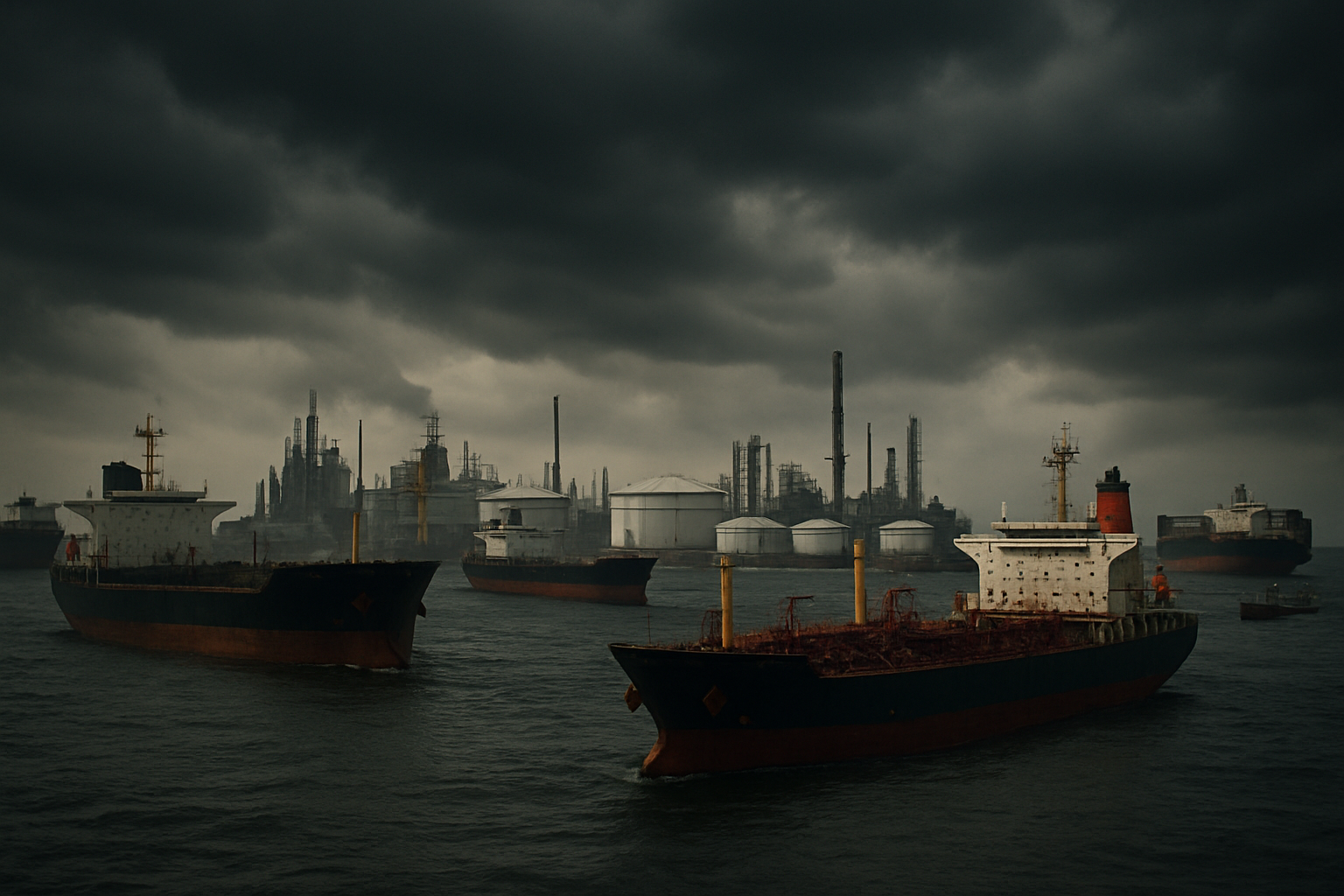
The global aviation industry has been particularly hard hit, with over 18,000 flights cancelled worldwide - the most extensive disruption since the COVID-19 pandemic. Major shipping companies Maersk and MSC have suspended Persian Gulf operations entirely, leaving more than 150 oil and LNG tankers stranded with billions of dollars worth of cargo.
Ground transportation faces similar challenges, with freight companies across New Zealand reporting impacts from the Connemara ferry cancellations, which are expected to significantly affect supply chains throughout the country.
Government Responses Intensify
Governments worldwide are implementing increasingly urgent measures to address the crisis. Australia's Deputy Prime Minister Richard Marles has admitted that fuel rationing remains a possibility if the Iran conflict continues, while Energy Minister Chris Bowen has acknowledged that working from home represents a "sensible" approach to reducing fuel consumption.
In the Pacific region, advocacy groups are calling for the prioritization of food security amid the fuel crisis, particularly as food processors have announced plans to close some New Zealand plants, raising concerns about supply chain stability during this critical period.
Looking Ahead: Uncertain Recovery Timeline
The global fuel crisis shows few signs of immediate resolution, with recovery dependent on both military and diplomatic developments in the Middle East. Unlike weather-related disruptions, the current situation cannot be easily predicted or planned around, leaving aviation industries unable to maintain normal scheduling while critical shipping routes remain blocked.
Energy experts describe this as the most severe energy security crisis in decades, exposing dangerous vulnerabilities in global supply chains that depend on strategic chokepoints. The crisis has accelerated discussions about energy diversification and supply chain resilience, though such transformations typically require years or decades to implement.
As governments continue to deploy emergency measures and strategic reserves, the international community faces what UN Secretary-General António Guterres has called "the greatest test of multilateral cooperation in the modern era." The coming days and weeks will prove critical in determining whether diplomatic solutions can resolve the underlying conflict and restore stability to global energy markets.