A wave of significant healthcare infrastructure investments is transforming medical care across developing nations, with governments deploying advanced diagnostic equipment, establishing international medical partnerships, and expanding access to treatments for rare diseases.
Three major developments this week illustrate the global commitment to strengthening healthcare systems: Kenya's deployment of mammography machines across 84 public hospitals, the Solomon Islands' third medical assistance mission from China, and Malaysia's renewed focus on rare disease treatment access.
Kenya's Cancer Screening Revolution
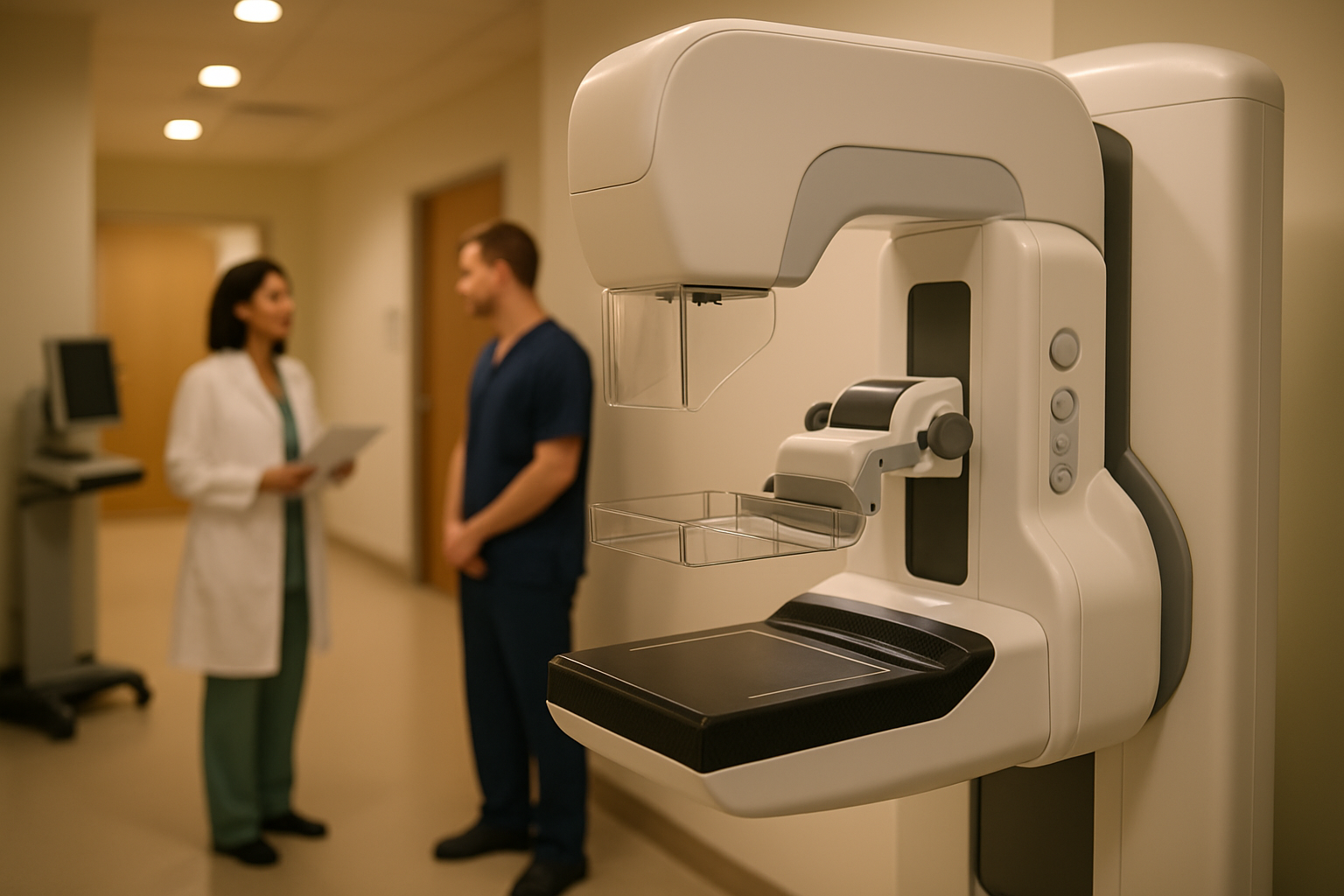
Kenya has achieved a major milestone in cancer prevention by equipping 84 public hospitals with mammography machines specifically for breast cancer screening. The government's medical equipment programme represents a substantial investment in early detection capabilities that could save thousands of lives annually.
Medical Services Principal Secretary Dr. Ouma Oluga emphasized the critical importance of maximizing the impact of this investment through effective referral and follow-up systems. "There is a need to ensure optimal utilization of the equipment through effective referral and follow-up systems," Dr. Oluga stated, while reaffirming the government's commitment to strengthening cancer care throughout Kenya.
The initiative addresses a significant gap in diagnostic capabilities across Kenya's public healthcare system. Breast cancer remains one of the leading causes of cancer-related deaths among women in sub-Saharan Africa, with late-stage diagnosis being a primary factor in poor survival rates. By deploying mammography equipment to 84 facilities nationwide, Kenya is taking decisive action to shift toward earlier detection and improved patient outcomes.
Solomon Islands Welcomes Chinese Medical Specialists
The Solomon Islands has received its third medical assistance mission from China, with eight experienced medical specialists arriving in Honiara on January 26. The team, dispatched by the Guangdong Provincial Health Commission from Guangdong Nanfang Hospital, brings diverse expertise covering critical medical departments.
The specialist team includes experts in urology, critical care medicine, hematology, and anesthesiology—specialties that are often in short supply in small island developing states. This comprehensive expertise enables the team to address a broad range of local healthcare needs while providing high-quality medical assistance to Solomon Islanders.
"During their stay in Solomon Islands, the team will be conducting medical treatment, professional exchanges and specialized training, bringing health benefits to Solomon Islanders and strengthening medical cooperation and friendship between the two countries."
— Solomon Star News Report
The mission represents more than immediate medical care delivery. The specialists are conducting professional exchanges and specialized training programs designed to build local capacity and strengthen the healthcare system's long-term capabilities. This approach to international medical cooperation emphasizes knowledge transfer alongside direct patient care.
Malaysia Advances Rare Disease Treatment Access
In Malaysia, a powerful patient advocacy story is driving renewed commitment to rare disease care. Health Minister Datuk Seri Dr Dzulkefly Ahmad has been personally inspired by the journey of Branden Lim, a teenager diagnosed with Spinal Muscular Atrophy (SMA) Type 1 at age one who gained access to treatment at age 10.
Branden's story exemplifies both the challenges and possibilities in rare disease treatment. Now 15 years old, he uses creativity to tell his story to the world, demonstrating the transformative power of access to appropriate medical care. His experience has strengthened Dr. Dzulkefly's resolve to improve rare disease care nationwide.
In a Facebook post, the Health Minister reflected on how "seeing Branden today further strengthens my resolve at the Ministry of Health, especially in the area of rare diseases. Treatment is not merely about medicines, but about giving a future, hope and opportunities for children like Branden to pursue their dreams."
The case highlights a critical message that resonates globally: "Time is Neuron." For neurological conditions like SMA, early intervention can be life-changing, but access to treatment remains a significant challenge in many healthcare systems worldwide.
Global Healthcare System Strengthening Trends
These developments reflect broader global trends in healthcare system strengthening that have accelerated throughout 2026. From precision medicine advances to international cooperation partnerships, countries are investing heavily in both technology and human resources to improve health outcomes.
The Kenya mammography deployment aligns with global cancer prevention strategies that emphasize early detection as the most cost-effective approach to reducing cancer mortality. Similarly, the Solomon Islands medical mission represents a growing trend of South-South cooperation in healthcare, where developing nations share expertise and resources.
Malaysia's focus on rare diseases addresses one of the most challenging aspects of modern healthcare: ensuring that patients with uncommon conditions receive appropriate care. Rare diseases affect an estimated 300 million people worldwide, yet treatment access remains highly unequal between and within countries.
Challenges and Opportunities Ahead
While these initiatives represent significant progress, healthcare systems worldwide continue to face substantial challenges. The World Health Organization has warned of funding crises affecting global health coordination, while many countries struggle with basic healthcare infrastructure needs.
The success of equipment deployment programs like Kenya's mammography initiative depends heavily on adequate training for healthcare workers, reliable maintenance systems, and effective patient referral networks. Similarly, international medical cooperation missions must balance immediate care delivery with sustainable capacity building.
For rare disease treatment access, the challenge extends beyond medical considerations to include health economics, regulatory frameworks, and equitable distribution systems. Countries like Malaysia are grappling with how to ensure that life-changing treatments reach patients regardless of their economic circumstances.
Building Resilient Healthcare Systems
These three initiatives demonstrate different but complementary approaches to healthcare system strengthening. Kenya's focus on equipment deployment addresses infrastructure gaps, the Solomon Islands mission emphasizes human resource development, and Malaysia's rare disease focus tackles specialized care access.
The convergence of these approaches suggests a growing recognition that robust healthcare systems require multifaceted investments. Technology alone cannot solve healthcare challenges without adequate human resources, and specialized services need strong primary care foundations to function effectively.
As countries continue to invest in healthcare infrastructure, the experiences from Kenya, Solomon Islands, and Malaysia provide valuable models for sustainable development. Their emphasis on local capacity building, international cooperation, and patient-centered care offers pathways for other nations seeking to strengthen their own healthcare systems.
The global healthcare community will be closely monitoring these initiatives' outcomes, as their success could inform similar investments worldwide. In an era of increasing health challenges, from aging populations to emerging diseases, such comprehensive approaches to healthcare system strengthening have never been more critical.