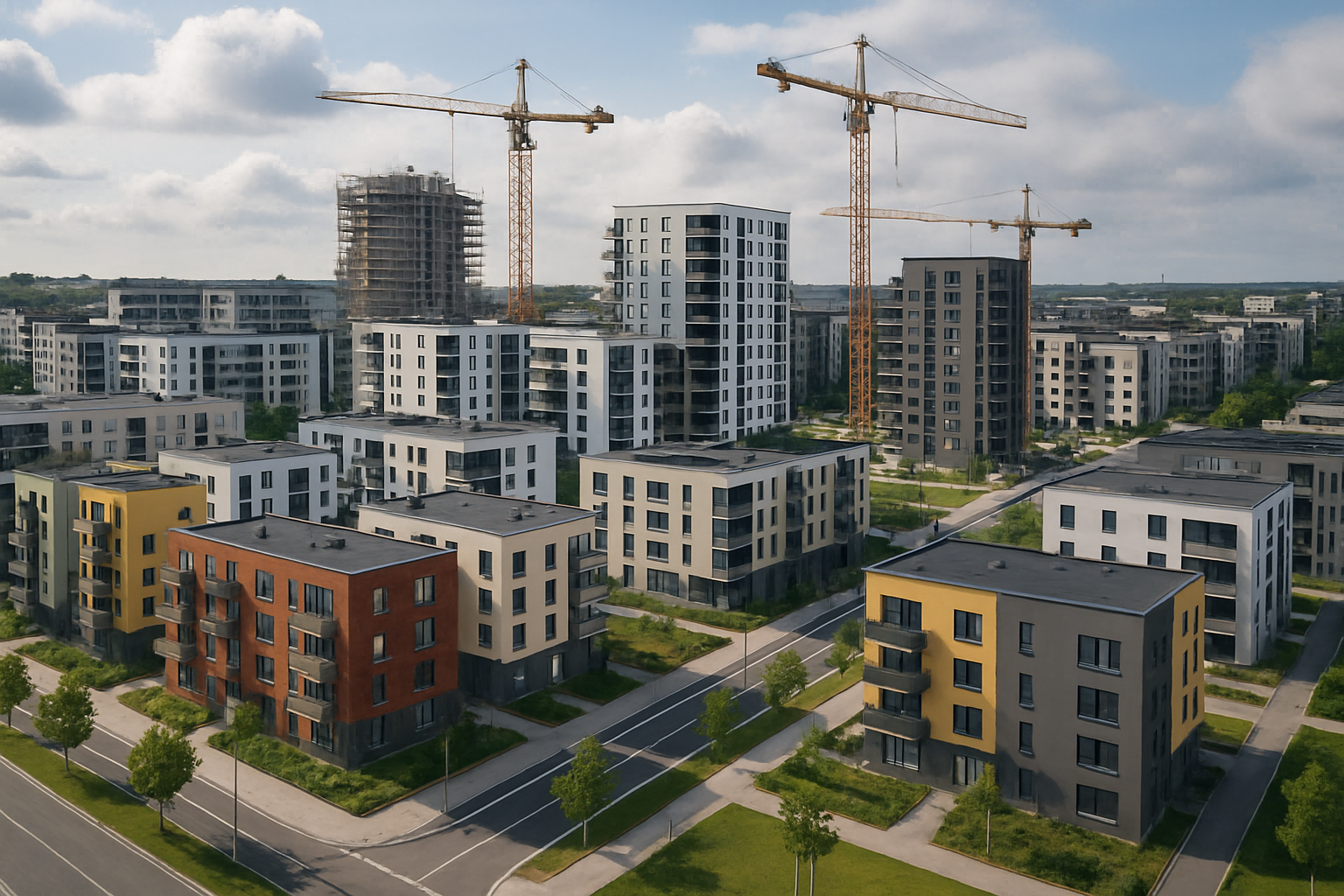
A wave of ambitious housing and urban development projects is sweeping across multiple continents as governments from California to Malaysia launch initiatives aimed at addressing critical housing shortages, modernizing aging infrastructure, and creating more sustainable cities for growing populations.
The coordinated global response comes as cities worldwide grapple with affordability crises, aging infrastructure, and the need for smart, inclusive urban growth. From multi-million dollar student housing programs to comprehensive market renovations and smart city initiatives, February 2026 has marked a significant acceleration in public investment toward urban solutions.
California Leads US Student Housing Revolution
Governor Gavin Newsom announced a transformative $50 million investment in affordable student housing for California, marking the state's most aggressive approach to addressing the student housing crisis. The ambitious plan for urban renewal in downtown Sacramento represents part of a broader strategy to make higher education more accessible through housing affordability.
The initiative comes as California faces mounting pressure to address housing shortages that have priced many students out of educational opportunities. Industry analysts note that student housing has become a critical component of broader housing policy, with universities increasingly unable to accommodate growing enrollment without significant public investment.
Central America Transforms Urban Markets
El Salvador is simultaneously renovating two major urban commercial centers, demonstrating the government's commitment to modernizing public infrastructure. The Mercado Cuscatlán renovation project continues advancing with comprehensive improvements to infrastructure, creating more comfortable, safe, and adequate spaces for both vendors and customers.
In Santa Ana, construction crews are making substantial progress on the new Central Market, a modern infrastructure project designed to dignify merchants and provide a safer, more functional environment for families in western El Salvador. The project involves extensive ground leveling, debris removal from previous structures, and the implementation of modern commercial standards.
These simultaneous market renovations reflect El Salvador's broader urban development strategy, focusing on improving public spaces while strengthening local economies. The government has emphasized that these projects will operate in an orderly and planned manner, ensuring normal commercial operations resume upon completion.
Malaysia Embraces Smart City Vision
Kota Kinabalu marked its 26th City Day with a renewed commitment to smart, inclusive, and sustainable urban growth that prioritizes both resident wellbeing and environmental preservation. Mayor Dato Sri Dr Sabin Samitah emphasized that the celebration represents more than just recognition of city status—it marks a pivotal moment for urban transformation.
The Malaysian city's approach exemplifies the integration of technology with sustainable development principles. The emphasis on inclusive growth addresses concerns about urban development that leaves certain populations behind, while the environmental preservation focus aligns with global climate commitments.
New Zealand Property Market Dynamics
New Zealand's housing market continues showing signs of adjustment as buyers increasingly negotiate below asking prices, reflecting broader market corrections affecting housing affordability. Real estate data indicates shifting power dynamics between buyers and sellers, with purchase prices falling further below listing prices than in previous years.
The market is simultaneously seeing unique properties gaining attention, including a distinctive 1970s brick and cedar home in its first sale since construction 51 years ago. Properties with strong street appeal, including modest "beach shacks," are attracting significant online attention from prospective buyers, suggesting continued demand for affordable housing options.
These market trends occur against the backdrop of New Zealand's ongoing housing affordability challenges, where regional communities face additional pressures from insurance availability issues affecting property values and mortgage accessibility.
Regional Housing Policy Coordination
The diverse approaches across different countries highlight both common challenges and varied solutions to urban housing needs. While California focuses on targeted student housing investment, El Salvador prioritizes commercial infrastructure modernization, Malaysia advances smart city integration, and New Zealand addresses market accessibility issues.
Urban planning experts note that successful housing and development policies increasingly require coordination between multiple levels of government, private sector partnerships, and community engagement. The projects launched in February 2026 demonstrate growing recognition that housing cannot be separated from broader urban infrastructure, economic development, and sustainability goals.
Infrastructure Investment Trends
These housing and urban development initiatives align with broader global infrastructure investment trends observed throughout early 2026. Countries worldwide are increasing public investment in urban infrastructure as post-pandemic recovery efforts emphasize sustainable development and improved quality of life.
The timing of these announcements suggests coordinated policy approaches addressing similar urban challenges: housing affordability, infrastructure modernization, sustainable development, and inclusive growth. Whether through direct housing investment, commercial space renovation, or comprehensive smart city planning, governments are prioritizing urban development as essential for economic competitiveness and social stability.
Future Implications
The scale and coordination of these housing and urban development projects indicate that February 2026 may mark a turning point in global urban policy. The integration of affordability concerns, sustainability goals, and technology adoption suggests a maturing approach to urban planning that addresses both immediate housing needs and long-term development challenges.
As these projects advance through implementation phases, their success or failure will likely influence urban development policies worldwide. The diversity of approaches—from targeted student housing in California to comprehensive market renovations in El Salvador and smart city initiatives in Malaysia—provides multiple models for addressing the complex intersection of housing, infrastructure, and urban growth in an increasingly urbanized world.