A convergence of maritime security challenges is creating the most complex shipping crisis since World War II, as ongoing Middle East conflicts force unprecedented traffic through the Panama Canal while a shocking security breach involving a Dutch naval frigate highlights dangerous vulnerabilities in international naval operations.
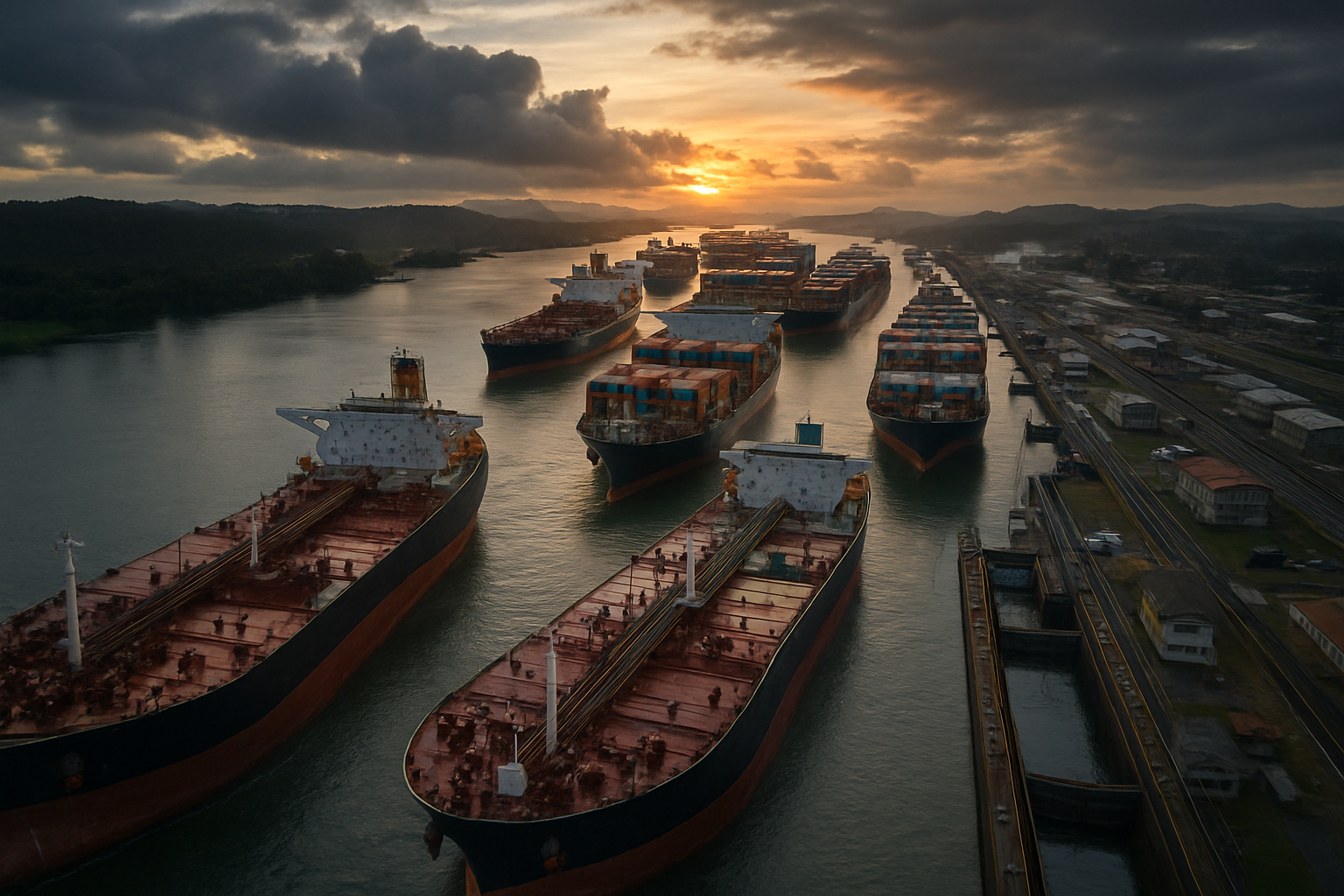
The Panama Canal Authority reported on Saturday that daily vessel transits have surged to 36-38 ships, well above earlier projections, as global energy routes shift dramatically due to the protracted Iran-US conflict and ongoing disruptions to traditional Middle Eastern shipping lanes. Videos circulating online show extensive queues of oil tankers and liquefied natural gas (LNG) carriers waiting to transit the strategic waterway after loading crude oil and gas shipments from US Gulf Coast ports bound for Asian markets.
Panama Canal at Breaking Point
The surge in traffic has created an unprecedented bottleneck at the 50-mile (82-kilometer) waterway, with tankers and cargo ships now facing three-and-a-half day delays to enter the canal. The congestion represents the most severe disruption since the historic 2023-2024 drought that previously slashed vessel passages.
In a dramatic demonstration of the crisis's severity, one tanker hauling liquefied petroleum gas reportedly agreed to pay $4 million in a canal auction to expedite its passage, according to industry sources. This represents a fourfold increase from the less than $1 million that some vessels were paying in previous months, highlighting the desperate measures companies are taking to maintain supply chains.
The traffic jam has developed as the near-shutdown of the Strait of Hormuz has strangled oil, natural gas, fertilizer and chemical shipments from Persian Gulf nations. In response, buyers scrambling for alternative supplies are increasingly relying on the Panama Canal to send deliveries to Asian markets and beyond.
Naval Security Vulnerabilities Exposed
Compounding the maritime crisis, a shocking security breach has exposed dangerous vulnerabilities in international naval operations. The Dutch frigate HNLMS Evertsen, deployed to waters off Cyprus as part of the French aircraft carrier Charles de Gaulle's carrier strike group, was successfully tracked for days using a €5 Bluetooth tracking device attached to a postcard sent through the Dutch military's postal service.
Dutch television channel Omroep Gelderland reported that the device, "normally intended for finding your keys," allowed unknown parties to remotely monitor the ship's movements in real-time. The frigate had been deployed to the region following Iranian drone attacks on Cyprus last month, marking the first attack on European territory since World War II.
The incident raises serious questions about operational security protocols during a period of heightened tensions, when precise naval vessel locations could provide critical intelligence to hostile forces. The breach occurred despite the ship being part of an unprecedented European naval coalition including Spanish, Italian, French, Dutch, and Greek vessels deployed to protect European territory.
Global Energy Route Transformation
The maritime crisis reflects a fundamental shift in global energy architecture triggered by the ongoing Iran-US conflict that has effectively closed the Strait of Hormuz since March 2026. The 21-mile chokepoint, which normally handles 40% of global seaborne oil transit, remains largely impassable due to Iranian naval mining operations and ongoing military tensions.
This closure has forced a massive rerouting of energy supplies, with US Gulf Coast producers increasingly supplying Asian markets via the Panama Canal rather than traditional Middle Eastern sources. The shift has created unprecedented pressure on the Central American waterway, which was not designed to handle such massive volumes of energy shipments.
"We're seeing the most significant reorganization of global energy trade routes since the Suez Crisis of 1956,"
— Maritime industry analyst Samuel Ciszuk
The International Energy Agency's historic deployment of 400 million barrels from strategic petroleum reserves—the largest release in the agency's 50-year history—has provided temporary market stability, but the underlying supply chain disruptions continue to reverberate globally.
Economic and Security Implications
The combined maritime challenges are creating cascading effects across multiple sectors. Beyond the immediate impact on energy supplies, the Panama Canal congestion is affecting container shipping, agricultural exports, and manufacturing supply chains that depend on timely transit between Atlantic and Pacific trade routes.
Financial markets have responded with significant volatility, as investors grapple with the implications of prolonged shipping disruptions. The willingness of companies to pay millions in expedited transit fees demonstrates the scale of economic pressure facing global trade networks.
From a security perspective, the Dutch frigate tracking incident has prompted urgent reviews of naval operational security procedures across NATO and EU forces. The ease with which civilian tracking technology was able to monitor a military vessel during active deployment raises questions about broader vulnerabilities in maritime defense systems.
Looking Ahead
Maritime security experts warn that the current crisis represents more than a temporary disruption. The fundamental vulnerabilities exposed—from over-reliance on strategic chokepoints like the Strait of Hormuz to basic security lapses in naval operations—require comprehensive reforms to prevent future crises.
The Panama Canal Authority is working to optimize vessel scheduling and explore emergency capacity expansions, but physical limitations of the waterway constrain immediate solutions. Meanwhile, naval forces are implementing enhanced security protocols to prevent similar tracking incidents.
As the Middle East conflict shows few signs of immediate resolution, the maritime industry faces the prospect of months or potentially years of disrupted shipping patterns. This reality is forcing a fundamental reassessment of global trade routes and supply chain resilience that will likely reshape international commerce long after current tensions subside.
The convergence of these maritime challenges—from canal congestion to naval security breaches—illustrates the complex interdependencies of modern global trade and security systems. As nations and companies adapt to this new reality, the maritime crisis of 2026 may well be remembered as a pivotal moment that reshaped international shipping and naval operations for decades to come.