Global oil prices experienced significant volatility on Friday as Iranian Foreign Minister Abbas Araghchi's diplomatic mission to Pakistan sparked hopes for renewed Middle East negotiations, providing temporary relief from the energy crisis that has gripped international markets since February 2026.
West Texas Intermediate (WTI) crude fell 1.1% to $94.76 per barrel by 10:45 GMT, while international benchmark Brent crude declined 0.7% to $98.63 per barrel, according to Bolivian market reports. The declines came as investors seized on news of potential diplomatic engagement following months of unprecedented energy market disruption.
Diplomatic Hopes Provide Market Relief
"Investors are clinging to this positive news and seem willing to buy risk assets, as it suggests a de-escalation of the situation before the weekend," said Kathleen Brooks, research director at trading platform XTB, explaining the market's response to the diplomatic developments.
The announcement of Araghchi's visit to Islamabad for potential negotiations offered the first significant diplomatic opening since the crisis began, when Iran's Revolutionary Guard declared the Strait of Hormuz "unsafe for shipping" following the breakdown of US-Iran nuclear talks in February 2026.
Crisis Context: Months of Global Disruption
The current diplomatic opening comes after the most severe global energy crisis since the 1970s oil shocks. At the peak of the crisis in March 2026, Brent crude reached $119.50 and WTI hit a record single-day jump of 18.98% to $108.15 per barrel - the first time oil breached $100 since 2022.
"This represents the most severe energy security crisis in decades, with single-chokepoint vulnerabilities fully exposed."
— Samuel Ciszuk, Energy Security Analyst
The crisis has its roots in the complete collapse of US-Iran nuclear negotiations despite achieving a "broad agreement on guiding principles" - the most progress since the 2018 JCPOA breakdown. Fundamental disagreements over Iran's ballistic missile programs and regional proxy activities versus US demands for comprehensive coverage ultimately proved insurmountable.
Ongoing Global Impact
Despite Friday's price declines, the energy crisis continues to severely impact consumers worldwide. Belgium announced that petrol prices will rise again from midnight, with the maximum price for 95 octane petrol (E10) increasing by 5.9 eurocents to 1.982 euros per liter, reflecting the ongoing pressure on fuel markets.
In Germany, fuel prices have experienced unprecedented volatility, with officials implementing new regulations requiring price changes only at midday - the largest such increase since the introduction of the 12-hour rule. The German government has also strengthened antitrust laws to prevent gas station price manipulation, representing significant market intervention in modern German energy policy.
Sweden continues to face elevated costs with electricity increases of 10-20 öre and gasoline price rises of 1-2 kronor per liter, with Malmö particularly exposed due to continental integration. The Strait of Hormuz crisis has demonstrated the vulnerability of European energy systems to Middle Eastern supply disruptions.
Strategic Petroleum Reserve Response
The International Energy Agency (IEA) deployed the largest strategic petroleum reserve release in its 50-year history, releasing 400 million barrels from 32 countries - more than double the 2022 Ukraine crisis response of 182.7 million barrels. Japan led with 80 million barrels, marking the first deployment since the 2011 Fukushima disaster, despite the country's 95% dependence on Middle Eastern oil with 70% transiting through Hormuz.
Kuwait's oil prices continue to reflect regional tensions, with Kuwaiti crude rising $4.97 to reach $105.30 per barrel in Thursday trading, up from $100.33 per barrel in previous sessions, according to Kuwait Petroleum Corporation announcements. Global futures markets saw similar patterns, with Brent crude futures rising $3.16 to $105.07 per barrel and WTI increasing $2.89 to $95.85.
Aviation and Supply Chain Disruptions
The crisis extended far beyond oil markets, with over 18,000 flights cancelled worldwide - the most extensive disruption since COVID-19. Eight Middle Eastern countries implemented simultaneous airspace closures, creating an "aviation black hole" severing Europe-Asia corridors. Dubai International Airport, the world's busiest with 86 million passengers annually, remains shut due to missile damage.
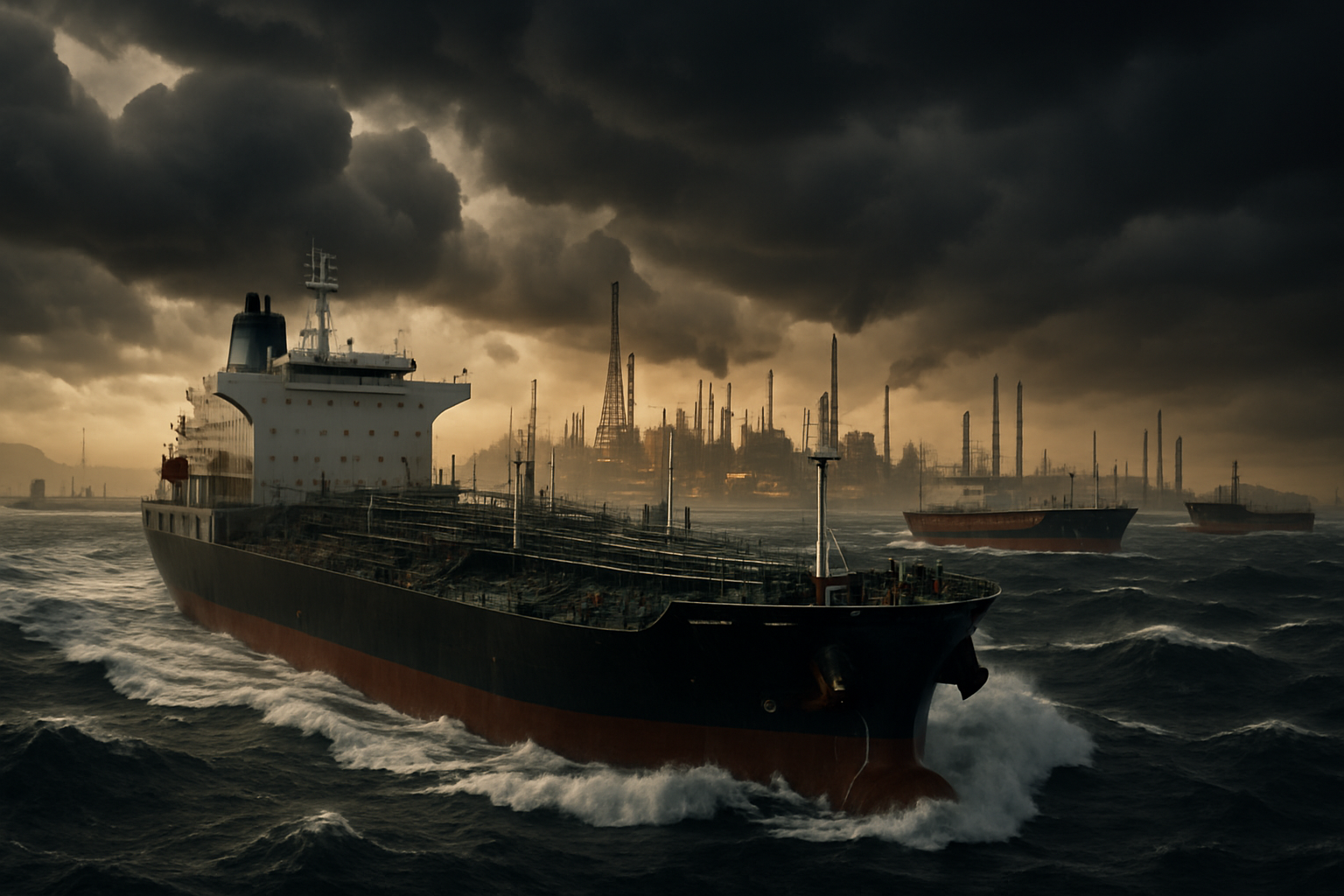
Supply chain disruptions have been equally severe, with major shipping companies Maersk and MSC suspending Persian Gulf operations, stranding over 150 oil and LNG tankers worth billions in cargo value. The 21-mile Strait of Hormuz has proven to be a dangerous single point of failure for modern logistics, handling 40% of global seaborne oil transit with no realistic alternatives.
Consumer Crisis in Nordic Countries
Sweden has experienced particularly acute impacts, with Dagens Nyheter reporting growing concern among motorists about fuel prices and potential rationing as the Strait of Hormuz conflict continues. "It's a nightmare at the moment, but it will get better," said pensioner Jan Lindblom, reflecting widespread public anxiety about the energy situation.
The crisis has exposed fundamental vulnerabilities in energy architecture, requiring what experts describe as the most significant transformation in energy security planning since World War II. Strategic petroleum reserves have proven to be temporary buffers only, highlighting the urgent need for supply diversification and renewable energy transitions.
Financial Market Repercussions
Financial markets have experienced historic volatility throughout the crisis. Pakistan's KSE-100 index suffered its largest single-day decline in history at -8.97%, while South Korea's KOSPI fell 12% triggering circuit breakers as the Korean won hit 17-year lows. Central banks including the European Central Bank and Bank of Japan have coordinated emergency liquidity measures, though traditional monetary policy has shown limited effectiveness against structural geopolitical disruptions.
Nuclear Governance Implications
The crisis occurs against a broader backdrop of nuclear governance breakdown. The New START treaty expired in February 2026, marking the first time in over 50 years without US-Russia nuclear constraints. Iran continues 60% uranium enrichment with over 400kg of weapons-grade material - sufficient for multiple nuclear weapons. UN Secretary-General António Guterres has called this "the greatest test of multilateral cooperation in crisis management in the modern era."
Long-term Energy Security Implications
Energy analysts emphasize that Friday's price decline, while providing temporary relief, does not address the underlying structural vulnerabilities exposed by the crisis. The dangerous over-dependence on strategic chokepoints like the Strait of Hormuz requires fundamental restructuring of global energy architecture to reduce geopolitical volatility.
"The financial markets represent the ultimate constraint on prolonged conflict," noted analyst Damien Boey, highlighting how economic pressures may ultimately force diplomatic solutions.
Qatar's Energy Minister Saad Al Kaabi had previously warned that Gulf states may be forced to declare force majeure "within weeks" if oil approaches $150 per barrel, threatening to "bring down the economies of the world." While current diplomatic initiatives offer hope, the recovery timeline remains uncertain and depends on sustained military and diplomatic resolution rather than predictable economic factors.
Looking Forward
The March 2026 energy crisis represents a watershed moment in global energy security, establishing new paradigms for 21st-century crisis management. Success in containing the current escalation could provide a framework for nuclear crisis resolution and strengthen diplomatic precedents. However, failure could accelerate military solutions, reshape Middle Eastern geopolitics for decades, encourage nuclear proliferation globally, and undermine diplomatic credibility worldwide.
While Friday's diplomatic developments offer the first significant hope for de-escalation since the crisis began, the path forward requires sustained international cooperation and fundamental transformation of energy security planning to reduce dependence on strategic chokepoints. The coming weeks will be critical in determining whether diplomatic solutions can prevent further escalation of what experts describe as the most consequential energy crisis of the modern era.