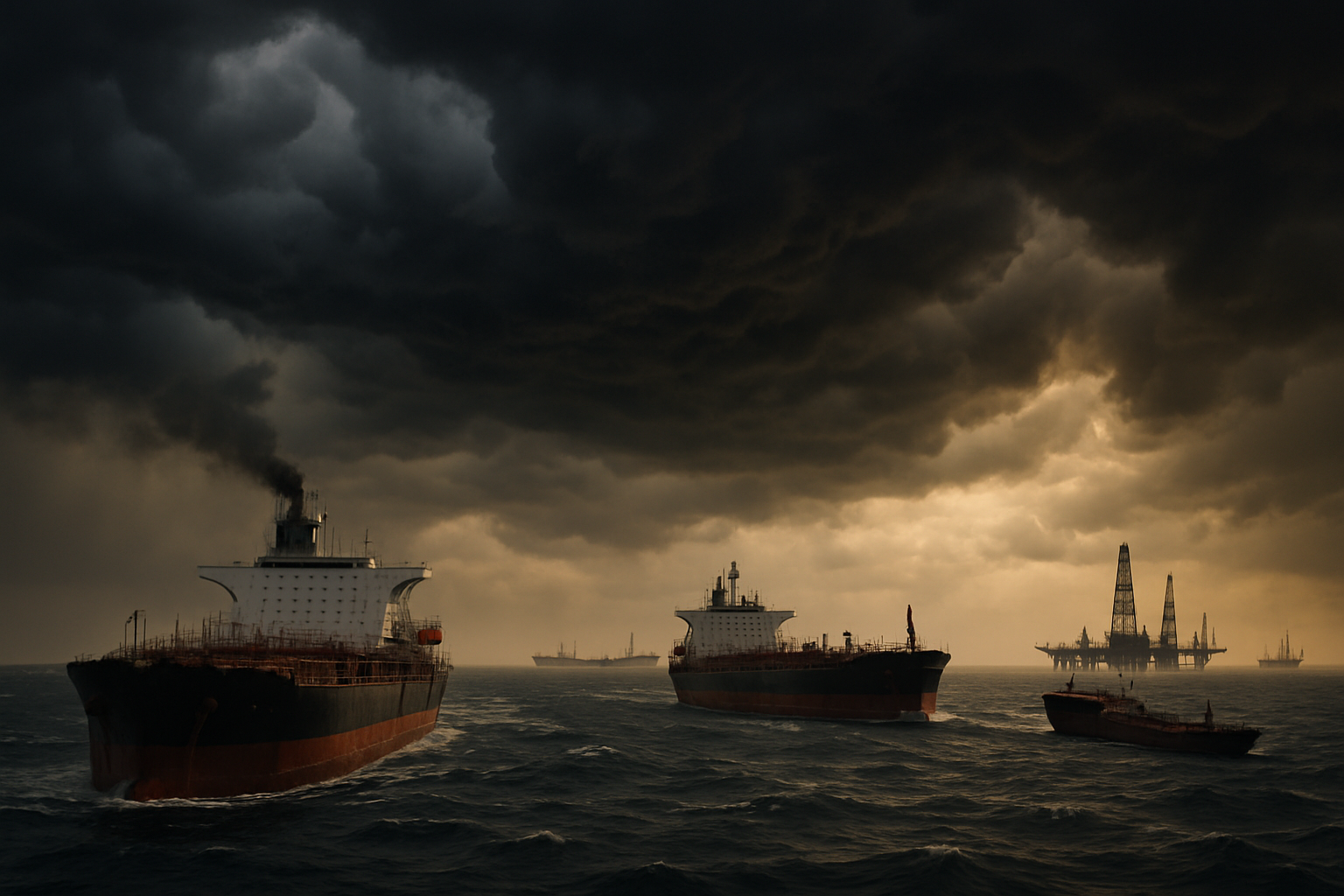
Oil prices have surged past $80 per barrel while natural gas prices exploded by 24% in Europe and 78% in the United States as Iran's closure of the strategic Strait of Hormuz threatens global energy supplies in what experts are calling the most serious energy security crisis in decades.
The dramatic price increases follow Iran's declaration that the Strait of Hormuz—through which 40% of the world's seaborne oil transits daily—is now "unsafe" for commercial shipping. Major shipping companies Maersk and MSC have suspended all operations through the strategic waterway, leaving more than 150 oil and LNG tankers stranded in the Persian Gulf with cargo worth billions of dollars.
Unprecedented Supply Chain Disruption
The crisis has exposed the vulnerability of global energy infrastructure to geopolitical shocks. The 21-mile-wide Strait of Hormuz represents a critical chokepoint that handles approximately 22% of global petroleum liquids production, making it geographically irreplaceable for regional oil exports.
"This is the most serious threat to global energy security we've seen in decades," said Samuel Ciszuk, a senior energy analyst. "The strait's closure affects not just oil but the entire interconnected web of global energy supplies."
European natural gas prices have rocketed to €47.32 per MWh, the highest level since February 2025, as Qatar—responsible for approximately 20% of global LNG exports—was forced to halt production at its Ras Laffan and Mesaid facilities following Iranian attacks on the infrastructure.
Global Economic Shockwaves
The energy crisis has triggered widespread economic disruption across multiple sectors. Stock markets worldwide have plunged, with Pakistan's KSE-100 index suffering its largest single-day decline in history, falling 8.97%. US Dow futures dropped between 400-570 points, while European markets posted severe losses.
"The rapid escalation from diplomatic breakthrough to military confrontation demonstrates the fragility of modern crisis management in our multipolar era."
— UN Secretary-General António Guterres
The crisis has also paralyzed global aviation, with over 18,000 flights cancelled worldwide as eight Middle Eastern countries simultaneously closed their airspace. Dubai International Airport, the world's busiest with over 86 million passengers annually, remains completely shut down after sustaining missile damage.
OPEC Response Falls Short
The Organization of Petroleum Exporting Countries (OPEC) held an emergency meeting and approved a production increase of 206,000 barrels per day for April. However, analysts warn this measure is insufficient to offset the shipping disruption through the Strait of Hormuz.
Alternative routes around the Arabian Peninsula exist but add significant time and costs to oil deliveries, and lack the capacity to handle the volume typically transported through the strait.
Consumer Impact Spreads Globally
The energy shock is already rippling through to consumers worldwide. Sweden is predicting electricity price increases of 10-20 öre and gasoline price rises of 1-2 kronor per liter. Australia has issued fuel price warnings, while Mexico faces concerns about potential "gasolinazo" fuel price spikes.
Regional disparities are becoming apparent, with southern Sweden's Malmö region (electricity zone 4) experiencing disproportionately higher price impacts due to its integration with continental European energy markets.
Diplomatic Breakdown Context
The current crisis stems from the complete collapse of US-Iran nuclear negotiations despite achieving what negotiators called "broad agreement on guiding principles"—the most progress since the 2018 JCPOA collapse. Iran maintained that ballistic missiles and regional proxies were "red lines" excluded from nuclear-only talks, while the US insisted on comprehensive agreements addressing missiles, armed groups, and human rights.
The breakdown led to "Operation Epic Fury," described as the largest US-Israeli coordinated military operation since 2003, resulting in the confirmed death of Iranian Supreme Leader Ali Khamenei and triggering Iran's massive retaliation campaign.
Strategic Implications and Recovery Timeline
Unlike weather-related disruptions that have predictable recovery timelines, this crisis depends entirely on military operations resolution and diplomatic normalization. Energy markets face unprecedented volatility as traditional backup mechanisms prove inadequate for sustained geopolitical disruptions.
The crisis highlights fundamental vulnerabilities in the global energy architecture's over-dependence on strategic chokepoints. Strategic petroleum reserves can provide only temporary relief during extended disruptions, accelerating discussions about supply chain diversification that could take years or decades to implement.
Nuclear Governance Crisis Context
The energy crisis unfolds against the backdrop of a broader nuclear governance breakdown. The New START treaty expired on February 5, marking the first time in over 50 years without US-Russia nuclear constraints. Combined with China's nuclear expansion, UN Secretary-General Guterres warns that nuclear risks are at their "highest levels in decades."
This template-setting crisis represents a critical test of 21st-century international relations—whether diplomatic engagement can prevent regional conflicts from escalating into global disruptions, or whether military solutions will increasingly replace diplomatic approaches to international disputes.
Looking Ahead
The stakes of resolving this crisis extend far beyond immediate energy prices. Success in containing the escalation could provide a framework for future nuclear crisis resolution and strengthen international diplomatic mechanisms. Failure may accelerate military solutions to geopolitical disputes, potentially reshaping Middle Eastern geopolitics for decades while encouraging nuclear proliferation globally.
As the international community grapples with the most dangerous moment since the Cold War's end, the resolution of this crisis will likely influence approaches to conflict resolution, energy security planning, and international law enforcement for years to come.