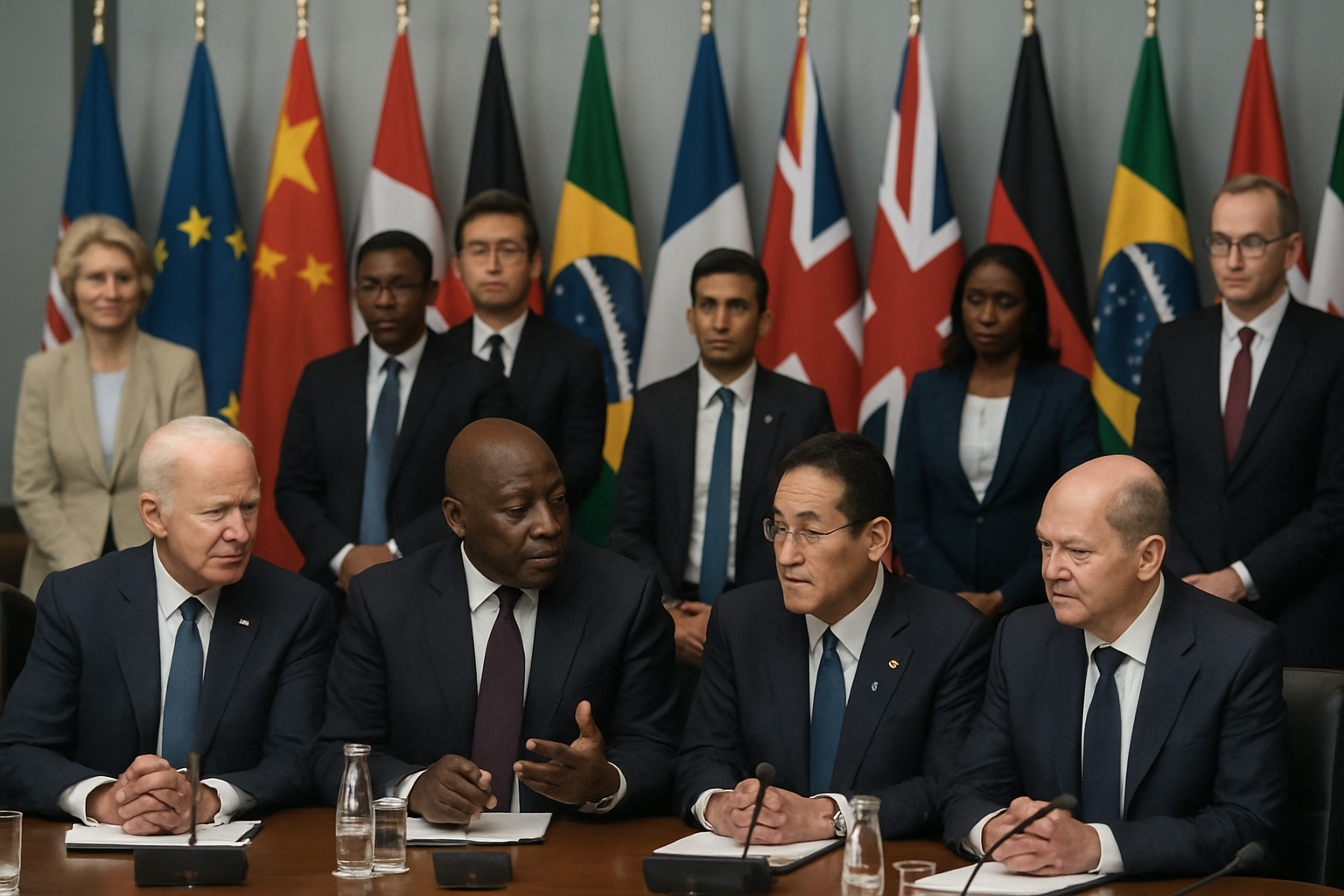
Political transformations across five continents are fundamentally reshaping the global governance landscape, with major presidential inaugurations, contentious electoral processes, coalition crises, and constitutional developments marking March 2026 as a pivotal month for international democracy.
Presidential Transitions and New Leadership
The most significant presidential transition occurred in Portugal, where António José Seguro officially took office as President of the Republic, replacing Marcelo Rebelo de Sousa at the Palácio de Belém. The ceremony marked not just a change of leadership but a symbolic shift in Portuguese politics, with Seguro promising to combat political "frenesim" (frenzy) while maintaining warnings for both opposition parties and the government of Luís Montenegro.
In the Philippines, voters in eight barangays of Antipolo are preparing for a crucial special election on March 14 to fill the congressional seat vacated by the late Romeo Acop. The contest features six candidates, including Acop's son Philip Conrad "Dok Bong" Acop, representing a generational transition in local politics that could influence broader Philippine democratic developments.
European Coalition Dynamics Under Pressure
Germany experienced significant political realignments following the Baden-Württemberg state election results. Cem Özdemir's Green Party achieved a historic victory with 31.8% of the vote, making him the first state premier of Turkish heritage in German history. The results dealt a major blow to Chancellor Friedrich Merz's CDU, which secured only 29.6% despite expectations of victory. Particularly concerning for democratic stability was the far-right AfD's breakthrough to 18% as the third-largest party.
"For every second Green voter, Özdemir was the decisive factor."
— Jörg Schönenborn, Political Analyst
The election results create complex coalition scenarios, with most parties ruling out cooperation with the AfD despite its significant gains. This pattern reflects broader challenges facing traditional democratic parties across Europe as far-right movements gain ground in previously stable regions.
France's municipal elections scheduled for March 15 and 22 have become a critical test of democratic resilience amid escalating political tensions. President Macron's Renaissance party has adopted a minimal strategy, designating few candidate lists in favor of supporting more established right-wing candidates, marking a significant strategic retreat from the party's traditional approach.
North American Parliamentary Dynamics
Canada witnessed notable developments in parliamentary appointments and electoral positioning. The Liberal government named senior public servant Annette Ryan as the new parliamentary budget officer, representing a significant bureaucratic appointment during a period of heightened fiscal scrutiny. This appointment comes as political parties prepare for potential electoral contests, with various by-elections highlighting regional political tensions.
The Bloc Québécois leadership demonstrated characteristic regional focus, with party leader Yves-François Blanchet laughing off suggestions to run "fake" candidates outside Quebec, even at the cost of financial disadvantages in Montreal-area by-elections. This stance reinforces the party's commitment to Quebec-centric politics despite potential strategic benefits of broader national presence.
Latin American Constitutional Challenges
Colombia's political landscape shifted significantly with the Caribbean region gaining increased representation in the Senate, rising to 32 seats despite several elected congresspeople arriving amid legal controversies. This territorial reorganization reflects ongoing efforts to balance regional representation while addressing concerns about political machinery influence and electoral integrity.
Venezuela experienced internal political upheaval within opposition movements, with the Centrados party formally breaking ties with Enrique Márquez over what they described as his transformation from the "same man with whom we shared years of struggle." This internal conflict illustrates the challenges facing opposition movements in maintaining unity amid prolonged political pressures.
African and Caribbean Diplomatic Initiatives
Haiti's political leadership demonstrated international engagement priorities, with Prime Minister Alix Didier Fils-Aimé leading an official delegation to attend the March 11 inauguration ceremony of Chile's elected President José Antonio Kast. The delegation included Foreign Affairs Minister, highlighting Haiti's commitment to regional diplomatic participation despite domestic challenges.
Armenia's President Nikol Pashinyan prepared to participate in France's Nuclear Energy Summit, representing the country's strategic energy diversification efforts and commitment to international cooperation in civil nuclear power development for decarbonization and energy security objectives.
Eastern European Constitutional Tensions
Romania faced significant political upheaval as USR leader Dominic Fritz accused the ruling Social Democratic Party (PSD) and far-right AUR of collaborating to maintain Renate Weber in the Ombudsman position despite her operating without a valid mandate for two years. Fritz characterized this as a "serious gesture that tells us who stands with whom" and criticized parties for not keeping their word on institutional reforms.
Slovakia experienced political tensions surrounding International Women's Day celebrations, with Prime Minister Robert Fico receiving both support and protest during public events. The contrasting receptions—women praising him as a "national hero" while protesters demanded more substantive policy changes—illustrate the polarized political climate across Central Europe.
Democratic Resilience and International Implications
These political developments collectively demonstrate both the resilience and fragility of democratic institutions worldwide. From successful constitutional transitions in Portugal to coalition challenges in Germany, electoral preparations in the Philippines to regional representation shifts in Colombia, the global political landscape reveals common pressures facing democratic governance in 2026.
The emergence of far-right parties in traditionally stable democracies, coalition instability across multiple continents, and internal splits within established political movements all point to broader challenges facing democratic institutions. However, peaceful transitions of power, continued international cooperation, and institutional adaptability also demonstrate democratic systems' capacity for renewal and reform.
Looking Forward
As these political developments unfold, they establish important precedents for democratic governance in an increasingly complex global environment. The success or failure of new leadership transitions, coalition governments, and electoral processes will influence international cooperation, regional stability, and the broader trajectory of democratic development worldwide.
The interconnected nature of these political changes—from European coalition mathematics to Latin American constitutional debates, from North American parliamentary dynamics to diplomatic initiatives across continents—underscores the global dimension of contemporary political challenges and the continued importance of institutional adaptation in maintaining effective democratic governance.