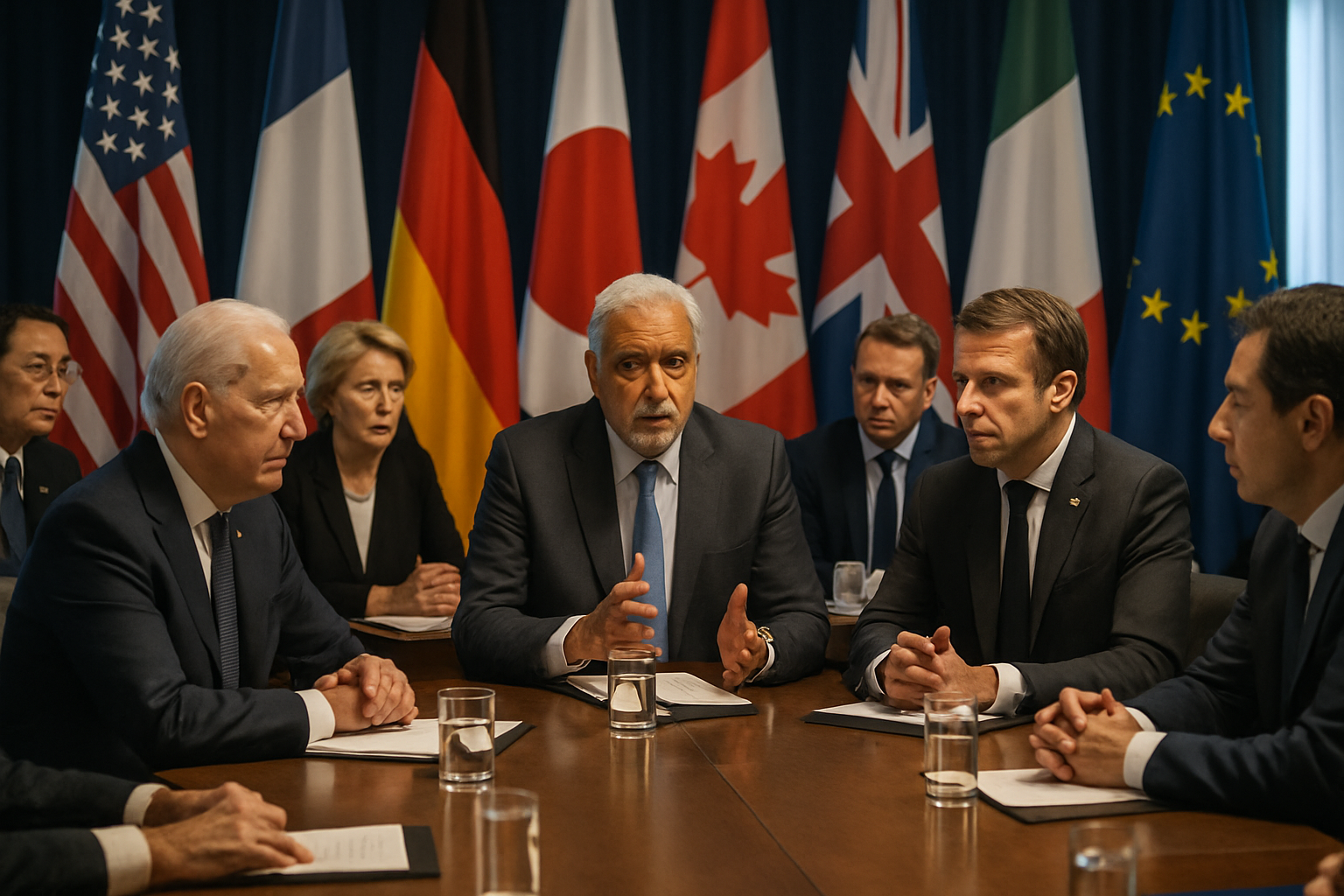
A significant wave of political leadership changes is reshaping the global landscape, with resignations, candidate selections, and constitutional transitions occurring across multiple continents from Australia to Bosnia and Herzegovina, revealing both the resilience and fragility of democratic institutions worldwide.
The scope of these changes spans diverse political systems and circumstances, from routine electoral processes to crisis-driven resignations and constitutional succession mechanisms. These developments collectively illustrate how modern democracies are adapting to contemporary challenges while maintaining institutional continuity.
Australia's Political Realignment
Australia's political landscape has experienced a notable shift with the One Nation party's selection of David Farley, an irrigation specialist and former CEO, as their candidate for the Farrer byelection. The Harvard-educated Farley brings technical expertise to a seat dominated by water management issues, reflecting the party's strategy to field qualified candidates on policy-relevant matters.
This selection comes as party leader Pauline Hanson has declared that Prime Minister Anthony Albanese is "scared to run," suggesting broader electoral tensions in Australian federal politics. The Farrer seat, with its focus on agricultural and water policy, represents a critical testing ground for both major and minor parties' approaches to rural constituency concerns.
South American Political Upheaval
Bolivia has witnessed significant political turbulence with Vice Minister of Autonomies Andrea Barrientos submitting her resignation following controversial statements about gender parity in government positions. Her departure, communicated through a formal letter to President Rodrigo Paz Pereira, reflects the delicate balance political leaders must maintain when addressing sensitive social issues.
The resignation demonstrates how even well-intentioned policy discussions can become politically untenable when they generate sustained controversy. Barrientos cited the need to preserve "institutional stability in a complex moment for the country," indicating awareness of how individual political fortunes can impact broader governmental functioning.
Meanwhile, Colombia has experienced its own leadership transition with the departure of a key figure connected to former Medellín mayor Daniel Quintero from ISA (Interconexión Eléctrica S.A.), following the annulment of Jorge Carrillo's election as company president. This change reflects the ongoing political realignments that occur when major electoral or appointment decisions are overturned.
Constitutional Crisis in Bolivia
Beyond individual resignations, Bolivia faces a deeper institutional crisis with its Constitutional Plurinational Tribunal (TCP). Civil society organizations have warned of a "grave crisis of institutionality" as the tribunal operates with only four of its mandated nine magistrates. This staffing shortage has resulted in over 18,000 backlogged cases, creating a significant bottleneck in the country's constitutional oversight mechanisms.
The crisis originated from suspended judicial elections in five departments and the controversial "self-extension" of magistrates whose terms should have concluded in December 2023. This situation exemplifies how electoral disruptions can create cascading institutional problems that persist long after the initial crisis.
Balkan Leadership Transitions
Bosnia and Herzegovina has experienced a significant governmental change with the Sarajevo Canton Assembly accepting the resignation of Premier Nihad Uk. The decision to step down was directly linked to a tragic traffic accident on February 12, demonstrating how unexpected events can trigger political accountability mechanisms.
In his address to the assembly, Premier Uk emphasized that his resignation represented a direct response to public concerns and reflected his belief that "societies progress when authorities listen to their citizens' voices." This voluntary departure under pressure illustrates the complex relationship between political responsibility and public expectations in modern democratic systems.
The resignation has resulted in the formal dissolution of the entire Sarajevo Canton government, requiring the formation of a new administration. This comprehensive governmental reset reflects the sometimes dramatic consequences of individual political decisions in parliamentary systems.
Canadian Constitutional Concerns
Canada has seen unusual political commentary from Mark Carney regarding the British royal succession, with the former Bank of Canada governor suggesting that Andrew Mountbatten-Windsor should be removed from the line of succession. This intervention, following Mountbatten-Windsor's legal troubles related to the Jeffrey Epstein case, represents rare Canadian commentary on British constitutional matters.
Carney's statements reflect growing international pressure regarding the scandal and its implications for Commonwealth realms that share the British monarch as head of state. The situation demonstrates how international legal controversies can create ripple effects across constitutional monarchies worldwide.
Portuguese Political Dynamics
Portugal has witnessed internal political tensions within the Social Democratic Party (PSD) with significant personnel changes at the district level. Carlos Eduardo Reis's appointment as the new district leader for Braga has generated controversy, with critics questioning the party's moral standards in leadership selection.
Simultaneously, former Prime Minister Pedro Passos Coelho has created friction with current party leader Luís Montenegro, with reports describing an "open war" between the two political figures. While Passos Coelho maintains he is "not a candidate for anything," his continued political activity is reportedly causing significant irritation within the party leadership.
These internal dynamics reflect broader challenges facing established political parties in maintaining unity while managing competing ambitions and ideological differences among prominent members.
Institutional Resilience and Democratic Adaptation
The diverse nature of these leadership changes reveals several important patterns in contemporary democratic governance. First, the mechanisms for political transition vary significantly across different systems, from routine electoral processes to crisis-driven resignations and constitutional procedures.
Second, the speed with which political changes can occur has increased significantly in the modern era, with social media and instant communication enabling rapid shifts in public opinion and political pressure. The Bosnian premier's quick response to public criticism and the Brazilian vice minister's prompt resignation demonstrate this accelerated political timeline.
Third, institutional backup systems and succession mechanisms continue to function effectively in most democratic systems, ensuring governmental continuity even during periods of leadership uncertainty. The systematic processes observed in parliamentary systems for replacing resigned officials demonstrate the robustness of democratic institutions.
International Implications
These leadership changes collectively represent more than domestic political adjustments; they reflect broader global trends in political accountability, public expectations, and institutional adaptation. The international nature of some controversies, such as the Canadian commentary on British succession or the Colombian connections to broader electoral disputes, demonstrates how political decisions increasingly have cross-border implications.
The resilience shown by democratic institutions in managing these transitions, while maintaining constitutional order and preparing for future elections, provides important evidence for the stability of democratic governance systems under stress. However, the frequency and variety of these changes also indicate the ongoing pressures facing political leaders in an era of rapid social, economic, and technological change.
Looking Forward
As these various political transitions continue to unfold, they will likely serve as important case studies for understanding how democratic systems adapt to contemporary challenges. The balance between political accountability and institutional stability, demonstrated across these diverse examples, will remain a crucial factor in determining the long-term health of democratic governance worldwide.
The global nature of these simultaneous leadership changes suggests that modern political systems are experiencing similar pressures and are finding varied but often effective solutions for maintaining democratic legitimacy while adapting to changing public expectations and international circumstances.