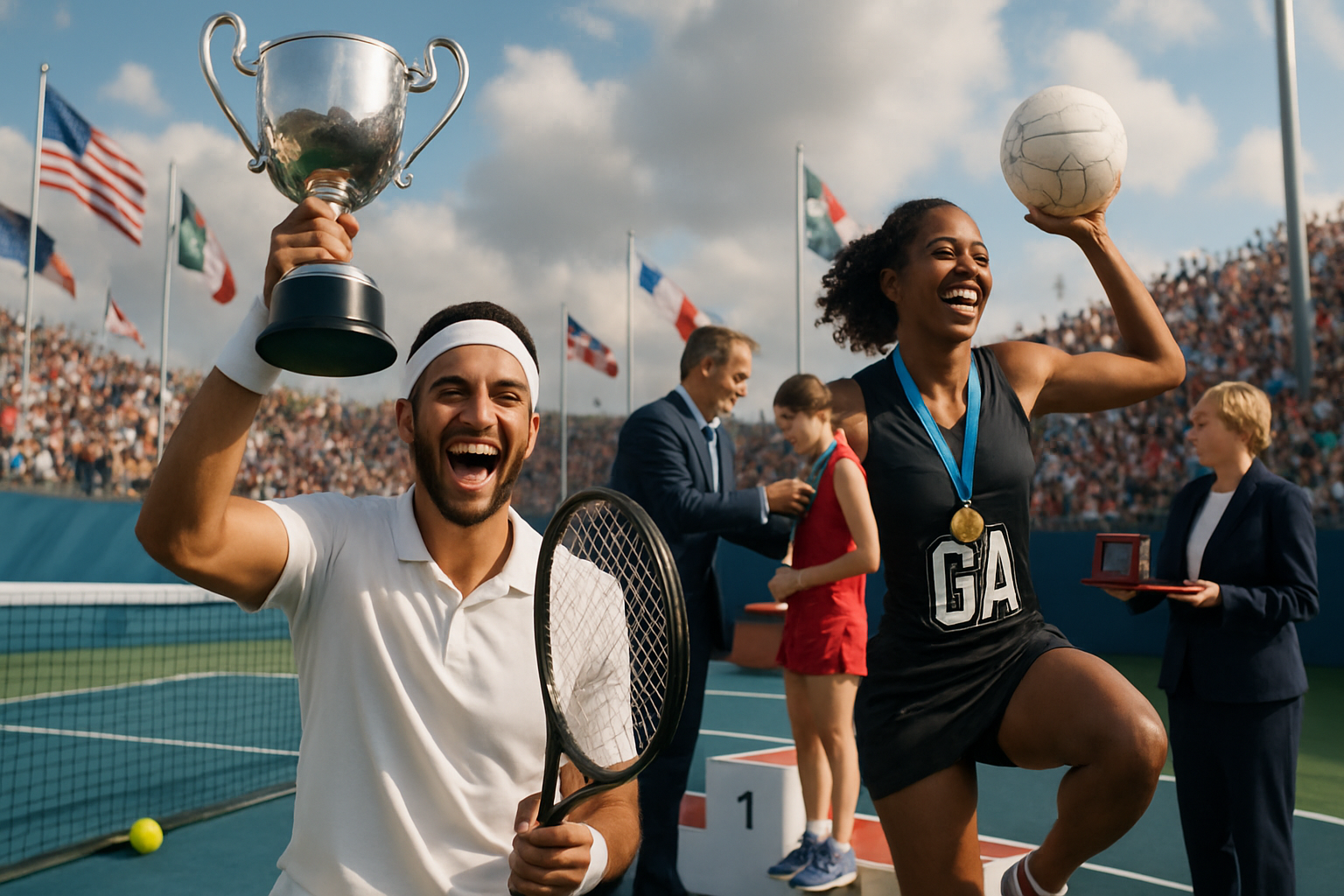
A remarkable week of sporting excellence has unfolded across three continents, with groundbreaking achievements in tennis, netball, and national sports recognition ceremonies highlighting the continued democratization of athletic success in April 2026.
Bolivia's Historic Tennis Breakthrough
Hugo Dellien etched his name into Bolivian sporting history on Saturday, becoming the first national player to capture the Bolivia Open singles title with a commanding 6-4, 7-5 victory over compatriot Juan Carlos Prado at the Club de Tenis Santa Cruz. The historic achievement marked the first time a Bolivian had won the tournament in its five-year existence, with previous champions hailing exclusively from Argentina.
The significance of this moment extended beyond the trophy itself. Dellien, born in Trinidad, secured his 31st professional singles title – comprising 15 challenger tournaments and 16 Futures events – while earning crucial ATP ranking points. The victory awarded Dellien 75 points for the ranking, while Prado received 44 points for his runner-up finish.
"This title means everything to me and to Bolivian tennis. To win at home, against another Bolivian in an all-national final, is something we've dreamed of for years."
— Hugo Dellien, Bolivia Open Champion
The two-hour battle showcased the depth of Bolivian tennis development, with both players demonstrating world-class technique at the high-altitude venue. This breakthrough follows broader trends in South American tennis, where systematic investment in coaching and infrastructure has yielded remarkable results across the continent.
Caribbean Netball Excellence on Display
Meanwhile, in the Caribbean, Kelsea Gardner of Trinidad and Tobago claimed the Most Valuable Player award at the Jean Pierre Caribbean Netball Youth tournament, capping an outstanding week for the young athlete. The centre/wing attack player was instrumental in Trinidad and Tobago's unbeaten campaign to retain their title in the tournament's 22nd edition, held at the University of the West Indies Sport and Physical Education Centre in St Augustine.
Gardner's exceptional performance earned her recognition among the tournament's top 16 players, alongside teammates Curleen Wilson and Alyssa Garcia. The tournament's conclusion Friday night marked another successful defense of the Caribbean championship, demonstrating Trinidad and Tobago's sustained excellence in the sport.
The achievement reflects the Caribbean region's continued netball dominance, with systematic development programs producing world-class talent that competes at the highest international levels. The tournament served as crucial preparation for upcoming Commonwealth Games qualifications and international competitions.
Nicaragua Celebrates National Sporting Excellence
In Nicaragua, the sporting community gathered to honor outstanding achievements during the Premio Nacional de la Cultura Física ceremony, where athletes, coaches, and sporting administrators received recognition for their contributions to the country's athletic development. The event highlighted the crucial role of comprehensive sporting infrastructure in developing talent across multiple disciplines.
The ceremony represented more than individual recognition; it showcased Nicaragua's commitment to systematic sporting development and the importance of celebrating athletic achievement at all levels. From grassroots coaching to elite performance, the honored individuals have contributed to a sporting culture that continues to produce remarkable results on regional and international stages.
Global Sporting Democratization Continues
These achievements occur within the broader context of sporting democratization that has characterized 2026. Following the revolutionary Milano-Cortina Winter Olympics, which established new paradigms for global competition, traditional sporting hierarchies continue to face challenges from nations implementing strategic development programs.
The success stories from Bolivia, Trinidad and Tobago, and Nicaragua exemplify this trend. Each nation has invested systematically in coaching education, facility development, and athlete support systems that enable their sporting talent to compete successfully on international stages.

Technology and Traditional Excellence
The integration of advanced sports science and technology has played a crucial role in these successes. From performance analytics that help optimize training to enhanced coaching education programs, technology has democratized access to elite sporting methodologies previously available only to traditional powerhouse nations.
However, these technological advances have been most successful when combined with authentic cultural sporting traditions. Bolivia's tennis success builds on decades of high-altitude training advantages, while Caribbean netball excellence draws from rich regional sporting heritage.
Economic and Cultural Impact
The ripple effects of these sporting achievements extend far beyond the competition venues. Dellien's victory generates significant tourism and media interest for Bolivia, while potentially inspiring a new generation of tennis players across South America. Similarly, Trinidad and Tobago's netball success strengthens the sport's profile across the Caribbean, supporting continued investment in youth development programs.
Nicaragua's recognition ceremony highlights the importance of celebrating sporting achievement as a driver of national pride and community cohesion. These events create lasting cultural impact while supporting the economic ecosystem surrounding sport through increased participation and interest.
Looking Ahead
As 2026 progresses, these achievements establish important precedents for continued sporting excellence across diverse geographical and economic backgrounds. The success of systematic development approaches, combined with authentic cultural sporting traditions, provides a template for other nations seeking to enhance their international competitive capabilities.
The convergence of individual talent, systematic support, and technological innovation demonstrates that sporting excellence truly transcends traditional boundaries. From high-altitude tennis courts in Bolivia to netball courts in Trinidad and recognition ceremonies in Nicaragua, April 2026 has showcased the remarkable depth and diversity of global sporting achievement.
These stories represent more than sporting success; they embody the power of dedication, systematic development, and the celebration of athletic excellence in all its forms. As international competition intensifies, the achievements of athletes like Dellien and Gardner, alongside comprehensive recognition programs like Nicaragua's, set new standards for what is possible when nations invest thoughtfully in their sporting futures.