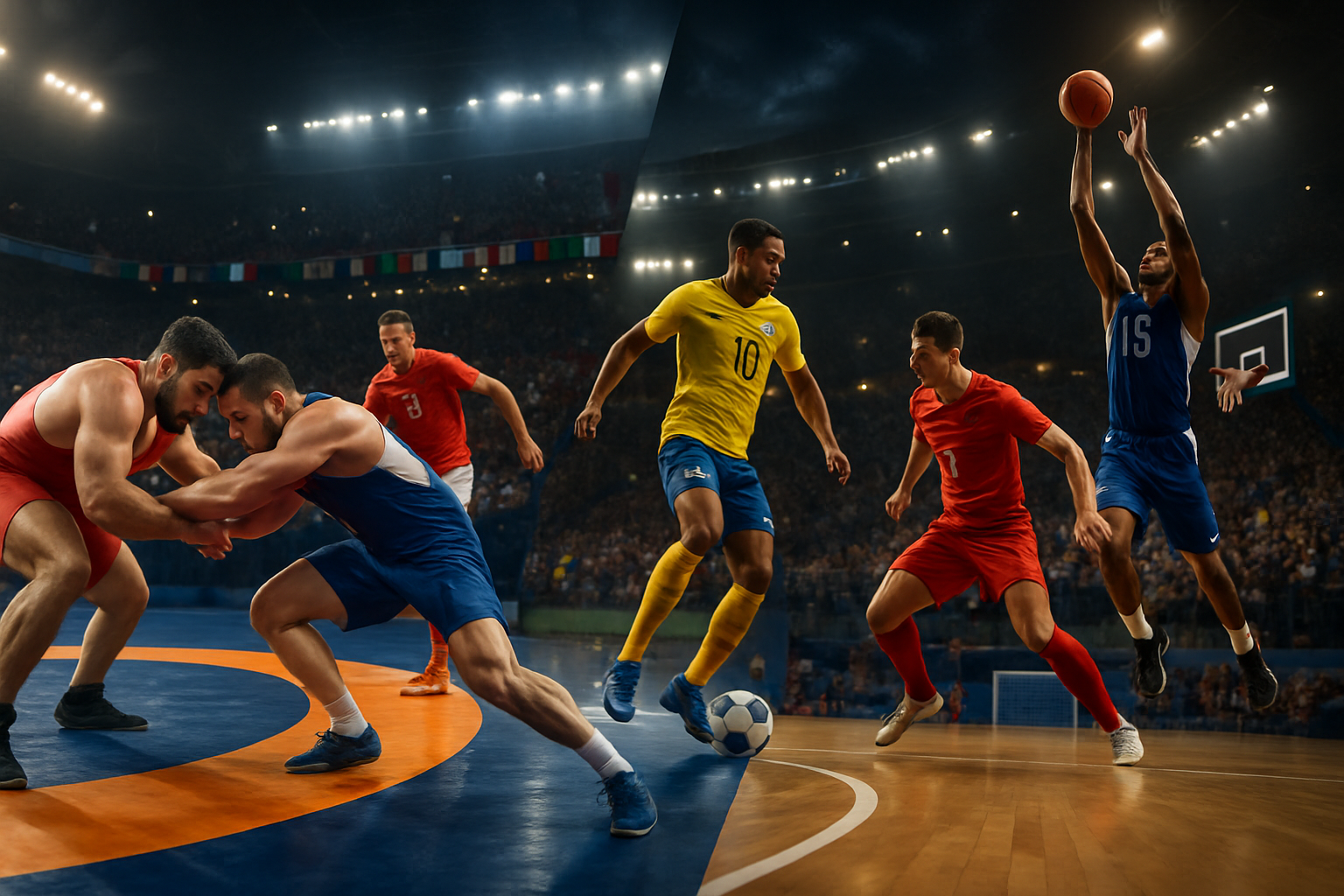
Major developments across international sports championships and league structures are reshaping the competitive landscape, with Afghanistan's wrestling program achieving historic broadcasting milestones while FIFA World Cup 2026 preparations intensify amid record ticket demand.
The global sports community is witnessing unprecedented changes across multiple disciplines, from traditional wrestling leagues gaining mainstream television coverage to football's premier tournament facing its most complex preparation period in history. These developments reflect the evolving intersection of sports entertainment, international diplomacy, and commercial broadcasting in the modern athletic ecosystem.
Afghanistan Wrestling Premier League Secures Historic Broadcasting Deal
In a landmark achievement for traditional sports development, Ariana Radio and Television Network (ATN) has secured exclusive broadcast rights for the Afghanistan Wrestling Premier League under a comprehensive five-year agreement. The deal, signed in Kabul between the Afghanistan National Wrestling Federation and ATN, represents a significant milestone in developing professional platforms for traditional sports within the country's evolving sporting infrastructure.
The inaugural season, scheduled to run from June 1 to June 10, 2026, will feature approximately 350 wrestlers competing across ten distinct weight categories. Matches will take place nightly at a purpose-built 2,500-seat indoor arena in Kabul, with live broadcasts on Ariana Television from 18:00 to 21:00 local time throughout the competition period.
"The five-year agreement is designed to ensure continuity and growth for the league, helping to build a structured competition system and long-term opportunities for athletes."
— Afghanistan National Wrestling Federation Representatives
This broadcasting partnership demonstrates the increasing professionalization of traditional sports, providing wrestlers with consistent competitive opportunities while creating sustainable revenue streams for athletic development. The agreement's extended timeline reflects long-term strategic planning aimed at establishing wrestling as a premier entertainment and sporting spectacle in the region.
FIFA World Cup 2026 Reaches Critical Preparation Phase
FIFA's preparations for the 2026 World Cup have entered their most intensive phase, with the organization releasing its final batch of tickets for all 104 matches of the expanded tournament. FIFA President Gianni Infantino announced that more than five million tickets have already been sold, significantly surpassing the previous record of 3.5 million established during earlier World Cup editions.
However, the tournament faces mounting challenges regarding accessibility and pricing structures. Ticket prices have reached unprecedented levels, with premium seating for the final match approaching $11,000, raising serious concerns about the tournament's accessibility to traditional football supporters and working-class fans worldwide.
The expanded 48-team format, featuring matches across the United States, Canada, and Mexico, represents the most ambitious World Cup undertaking in the tournament's 96-year history. This tri-national hosting model creates unprecedented logistical complexities while offering expanded participation opportunities for national teams previously excluded from football's premier competition.
Economic and Social Impact Considerations
The pricing controversy surrounding World Cup 2026 reflects broader tensions within modern football between commercial optimization and sporting accessibility. Critics argue that ticket costs exceeding $10,000 fundamentally alter the demographic composition of World Cup audiences, potentially excluding the passionate grassroots supporters who form football's cultural foundation.
Despite these concerns, the strong demand demonstrates football's continued global appeal and the economic potential of expanded tournament formats. The success of ticket sales across multiple phases indicates sustained international interest in the competition, providing FIFA with substantial revenue streams for football development programs worldwide.
Regional Championship Developments
European competitions continue evolving with Cyprus hosting significant futsal developments and Lithuania finalizing preparations for upcoming basketball championships. The Cyprus futsal championship's first final has been rescheduled to April 30th following police requests, demonstrating the careful coordination required between sporting organizations and security authorities for major competitive events.
Lithuania's basketball preparations have gained international attention, particularly regarding the announcement of hosting arrangements for the 2031 FIBA Basketball World Championship. This long-term planning reflects the increasingly strategic approach national sporting federations adopt when bidding for major international competitions.
Infrastructure and Development Implications
These regional developments illustrate the growing sophistication of sporting infrastructure across diverse geographical markets. Countries like Afghanistan investing in professional wrestling broadcasting demonstrate how traditional sports can leverage modern media technology to reach broader audiences while maintaining cultural authenticity.
Similarly, the expansion of futsal and basketball competitions across Europe and the Americas reflects the democratization of international sport, where systematic investment in facilities, coaching, and broadcasting capabilities enables previously underrepresented nations to compete at the highest levels.
Broadcasting Revolution in Traditional Sports
The Afghanistan Wrestling Premier League's broadcasting agreement represents a broader trend toward mainstream media coverage of traditional and culturally significant sports. This development parallels similar initiatives across multiple continents, where indigenous and traditional athletic competitions gain professional status through strategic media partnerships.
Television networks increasingly recognize the commercial potential of diverse sporting content, particularly when combined with compelling cultural narratives and authentic competitive drama. The wrestling league's success could establish templates for other traditional sports seeking professional development pathways.
"Professional broadcasting brings traditional sports to new audiences while preserving their cultural significance and providing sustainable career opportunities for athletes."
— International Sports Broadcasting Analysts
Global Sporting Trends and Future Implications
The convergence of traditional sport professionalization, expanded international tournament formats, and sophisticated broadcasting technologies represents a fundamental transformation in global athletic competition. These developments demonstrate how strategic investment in infrastructure, media partnerships, and athlete development programs can elevate sporting disciplines to new levels of commercial and competitive success.
The challenges facing World Cup 2026 regarding pricing and accessibility highlight ongoing tensions between sporting traditions and commercial realities. However, the tournament's expanded format also creates unprecedented opportunities for national teams and athletes from diverse backgrounds to participate in football's premier competition.
Long-term Development Prospects
The success of initiatives like Afghanistan's wrestling broadcasting deal and the international response to World Cup expansion suggest continued growth in global sporting participation and viewership. These trends indicate that strategic investment in sporting infrastructure, combined with innovative broadcasting approaches, can create sustainable competitive ecosystems across diverse disciplines and geographical markets.
As these developments continue unfolding throughout 2026, they will likely establish new precedents for sporting governance, commercial partnerships, and international competitive structures that will influence athletic development for decades to come.