The global tourism industry continues its uneven recovery in early 2026, with destinations worldwide experiencing a complex mix of record-breaking visitor numbers, infrastructure strains, and growing concerns over tourist behavior management.
Recent developments across Asia and beyond illustrate the multifaceted challenges facing the travel sector as it navigates post-pandemic growth, climate pressures, and evolving visitor expectations. From Laos celebrating unprecedented tourism success to Japan making the difficult decision to cancel beloved cultural festivals, the industry is grappling with both the benefits and burdens of renewed global mobility.
Southeast Asian Success Stories
Champasak Province in southern Laos has emerged as a standout success story, welcoming nearly 730,000 visitors in 2025 and achieving an impressive 207 percent of its annual target. The province recorded 286,941 domestic tourists alongside 441,123 international travelers, representing an 11.24 percent increase compared to 2024 figures.
Tourism activities in Champasak generated over USD 94 million in revenue throughout 2025, demonstrating the economic potential of well-managed destination development. The province's success reflects broader trends in Southeast Asian tourism recovery, where destinations are focusing on sustainable growth rather than pure volume-based approaches.
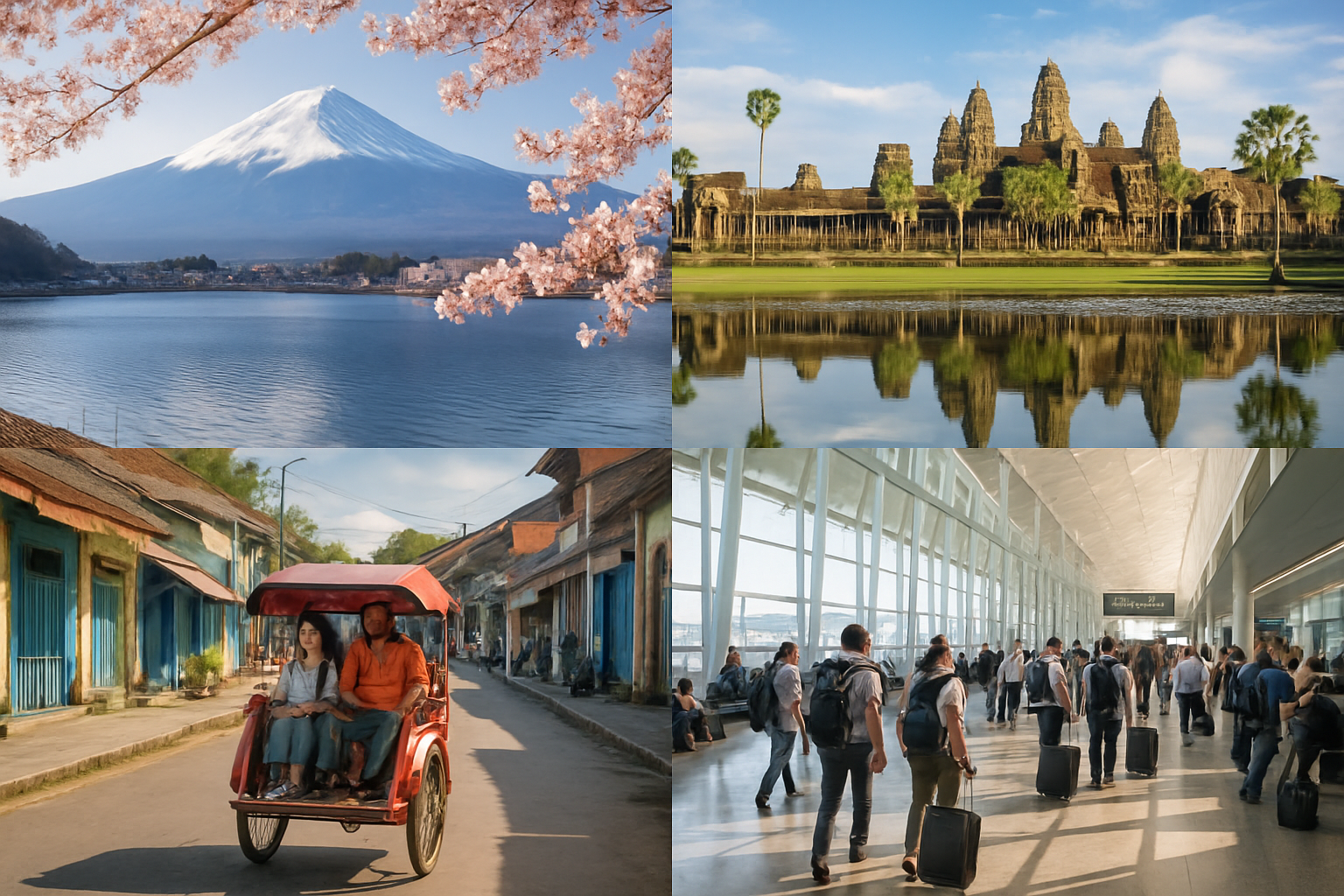
Meanwhile, Indonesia's Malang in East Java continues to attract visitors through innovative tourism offerings. Recent reports highlight the charm of traditional becak (pedal rickshaw) tours through the city center, offering tourists an authentic way to explore local culture while supporting traditional transportation methods. The timing coincides with favorable weather conditions, as recent rain gave way to clear skies, creating optimal touring conditions.
Japan's Tourism Management Dilemma
Japan faces a starkly different challenge, illustrating how tourism success can create its own problems. Officials in Fujiyoshida, near Mount Fuji, announced the cancellation of the Arakurayama Sengen park cherry blossom festival for 2026, citing a dramatic rise in disruptive tourist behavior.
The decision affects a festival that has operated for the past decade, traditionally attracting approximately 200,000 tourists annually during the cherry blossom season. Mayor Shigeru Horiuchi expressed concern that the influx of visitors threatens "the quiet lives of citizens," leading to chronic traffic congestion and persistent litter problems.
"We have a strong sense of crisis. To protect the dignity and living environment of our citizens, we have decided to bring the curtain down on the 10-year-old festival."
— Shigeru Horiuchi, Mayor of Fujiyoshida
This cancellation highlights a growing global phenomenon of "overtourism," where popular destinations struggle to balance economic benefits with quality of life for local residents. The picturesque setting, combining Japan's world-renowned cherry blossoms with Mount Fuji as a backdrop, had become a victim of its own photogenic appeal.
European Innovation and Cultural Tourism
France is pioneering innovative approaches to tourism challenges, particularly in the book retail sector. Tokyo's Jimbocho district, known as the capital's book quarter, has inspired hope for struggling bookstores through a recent initiative featuring shared bookshelves. While Japanese booksellers face an ongoing crisis with many closing permanently, this collaborative model offers a potential solution that could be replicated globally.
The shared bookshelf concept represents a broader trend toward community-based tourism experiences that benefit local businesses while providing authentic cultural engagement for visitors. This approach aligns with growing tourist preferences for meaningful cultural interactions over passive consumption.
Infrastructure Investment and Connectivity
The tourism industry's infrastructure needs continue to drive major investment projects worldwide. Historical context from recent months shows significant developments including airline expansion across Southeast Europe, with carriers like Wizz Air announcing 41 new routes starting March 2026, enhancing connectivity for secondary cities and emerging destinations.
Malaysia's AirBorneo has ordered eight ATR aircraft to modernize Rural Air Services, with deliveries scheduled for 2027-2029. This investment specifically targets East Malaysia community connectivity, demonstrating how aviation infrastructure directly supports tourism development in previously underserved regions.
Technology Integration and Tourist Management
Rome's implementation of a €2 entry fee system for the Trevi Fountain has generated €6 million annually while managing visitor flows more effectively. This model is being studied by other destinations facing similar overcrowding challenges, representing a shift toward user-pay tourism management systems.
The technology-driven approach includes advance booking systems and digital payment options, creating precedents for other heritage sites struggling with visitor capacity management. These innovations reflect the industry's evolution toward sophisticated crowd control and revenue generation mechanisms.
Regional Recovery Patterns
Asian markets continue to lead global tourism recovery, with Singapore's tourism receipts exceeding forecasts and Hong Kong expecting a 6% increase in mainland Chinese visitors. This leadership contrasts with ongoing challenges in other regions, including Cuba's severe tourism crisis and weather-related disruptions affecting European destinations.
The uneven recovery highlights how different regions face distinct challenges. While Asia benefits from strong intra-regional travel patterns and improved infrastructure, other destinations struggle with economic instability, climate impacts, or political uncertainties affecting visitor confidence.
Sustainable Tourism and Community Impact
The industry increasingly recognizes the need for sustainable tourism practices that benefit local communities while preserving cultural and environmental assets. Champasak's success in Laos exemplifies this approach, where tourism growth supports local economic development without overwhelming local infrastructure or traditions.
Conversely, Japan's festival cancellation demonstrates the consequences when tourism growth occurs without adequate planning for community impact. The situation serves as a cautionary tale for destinations worldwide about the importance of proactive tourism management rather than reactive responses to problems.
Future Outlook and Industry Adaptation
The tourism industry's current trajectory suggests continued growth accompanied by increasing sophistication in destination management. Successful destinations are those implementing quality-focused strategies, investing in infrastructure, and maintaining balance between economic benefits and community well-being.
Technology integration, international cooperation, and adaptive management capabilities are becoming essential requirements for tourism success. Destinations that embrace these elements while preserving their authentic character are positioned to thrive in an increasingly competitive global market.
The industry's evolution toward more sustainable, technology-enabled, and community-conscious tourism models represents a fundamental shift from pre-pandemic approaches. Success now depends not just on attracting visitors, but on managing them effectively while delivering value to all stakeholders – tourists, communities, and the broader economy.
As the global tourism industry continues its complex recovery journey, February 2026's developments illustrate both the opportunities and responsibilities that come with renewed international travel. The destinations that succeed will be those that learn from both the positive examples, like Laos's strategic growth, and the cautionary tales, like Japan's festival cancellation, to build more resilient and sustainable tourism sectors.