The global tourism industry is confronting its most severe operational crisis since the COVID-19 pandemic, as a perfect storm of Middle East conflicts, aviation disruptions, and unprecedented fuel price increases fundamentally reshape international travel patterns and force industry-wide transformation.
From Adelaide to Athens, travel professionals are grappling with challenges that extend far beyond temporary disruptions, creating what experts describe as a watershed moment that could define tourism patterns for decades ahead.
Aviation Crisis Creates Global Ripple Effects
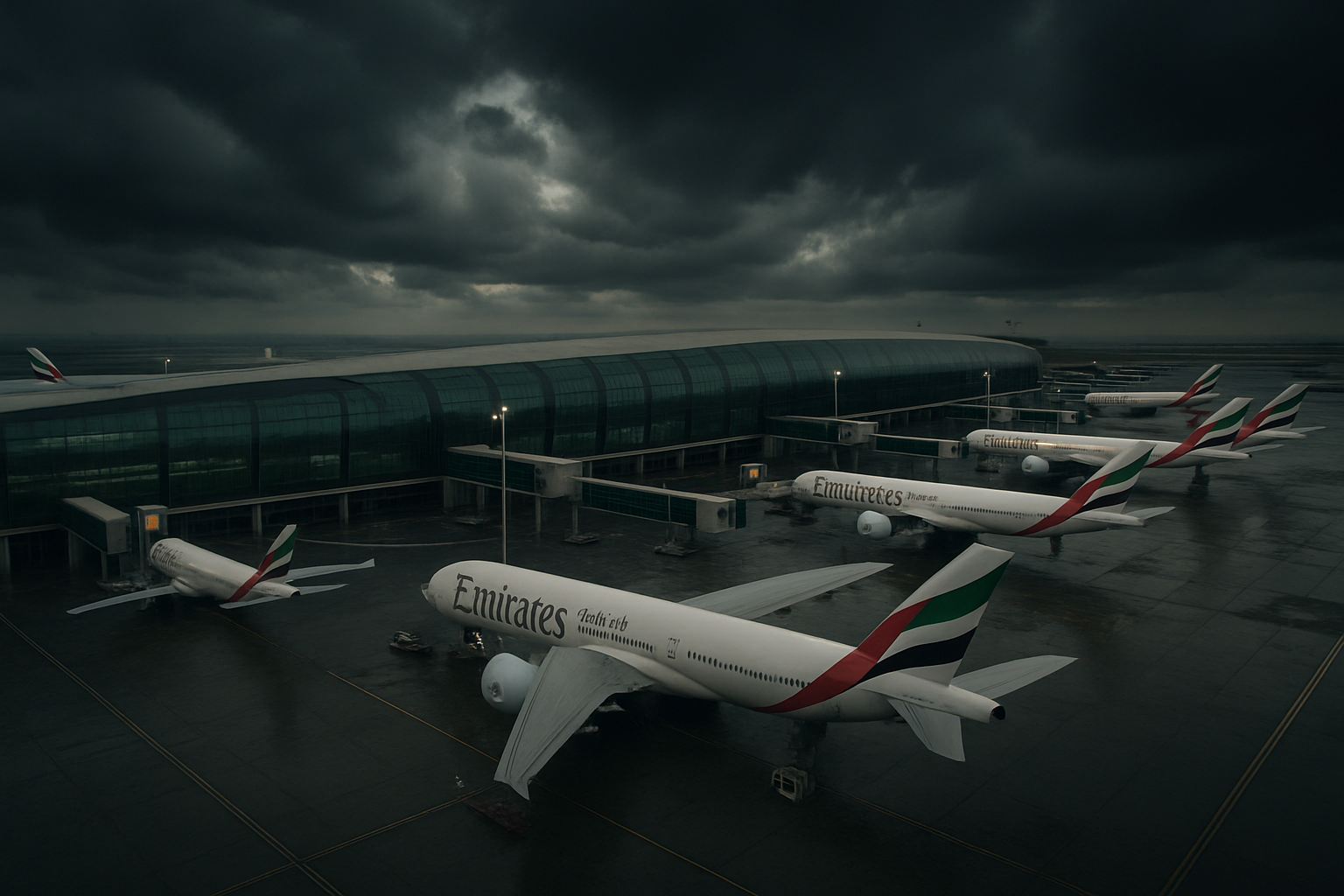
The crisis reached unprecedented proportions in March 2026 when over 18,000 flights were cancelled worldwide following Middle East conflicts that resulted in eight countries simultaneously closing civilian airspace. Dubai International Airport, the world's busiest with 86+ million passengers annually, remains completely shut down due to missile damage, eliminating critical Europe-Asia hub connections.
Major carriers including Emirates, Etihad Airways, Air France-KLM, Wizz Air, and Bulgaria Air have suspended Middle East operations indefinitely, forcing airlines to implement complex alternative routing strategies that dramatically increase costs and travel times.
"This is the most comprehensive regional airspace closure in modern history, exceeding even the 1991 Gulf War disruptions," explained aviation analyst Samuel Ciszuk. "The vulnerability of our interconnected transportation networks to geopolitical instability has been completely exposed."
— Samuel Ciszuk, Energy Security Expert
The disruption has forced airlines to implement emergency protocols including enhanced fuel loading to avoid refueling in affected zones, Caribbean stopovers for trans-Pacific routes, and dramatically reduced passenger capacity on longer flight times.
Fuel Price Surge Compounds Crisis
Simultaneously, the tourism industry faces its most severe fuel cost crisis in decades. Jet fuel prices have surged 122% from $85-90 to $150-200 per barrel due to Iran's closure of the Strait of Hormuz, which handles 40% of global seaborne oil transit. Oil prices have breached $100 per barrel for the first time since 2022, with Brent crude peaking at $119.50 and WTI reaching $108.15.
The SA government and AFL are currently in discussions to maintain fan attendance at Adelaide's AFL Gather Round, as the global fuel crisis threatens to disrupt travel plans for the popular sporting event. The situation exemplifies how local events worldwide are being affected by global energy market volatility.
Airlines across all regions are implementing emergency fare surcharges, with Air France-KLM adding 50 euros to long-haul economy tickets and Norwegian Airlines deploying 125 additional flights to capture market share after SAS cancelled over 1,000 flights due to fuel cost pressures.
Regional Tourism Redistribution Accelerates
The crisis is creating clear winners and losers in global tourism markets, accelerating a regional redistribution that industry experts believe will have lasting implications.
Bulgaria's Tourism Ministry announced comprehensive stabilization measures today, emphasizing the country's positioning as a "safe, hospitable, and accessible destination" as travelers increasingly avoid traditional Middle Eastern transit hubs and long-haul destinations requiring multiple connections.
"Bulgaria as a safe, hospitable and accessible destination is our leading priority for the season," stated interim Tourism Minister Irena Georgieva, highlighting the strategic pivot toward safety-conscious marketing.
— Irena Georgieva, Bulgaria's Interim Tourism Minister
Meanwhile, Greece continues to benefit from its reputation as a top destination for Norwegian travelers, with the sun, sea, culture, authentic hospitality, and gastronomy serving as decisive factors for tourists seeking European alternatives to more volatile regions.
Croatia is reporting significant advantages as travelers seek safer European alternatives, while Spain, with its 513.6 million tourist nights annually, is positioned to capture additional redirected demand from traditional Middle Eastern destinations.
Massive International Evacuations
The scale of the current crisis is perhaps best illustrated by what experts describe as the largest coordinated international evacuation since the Arab Spring of 2011. Australia has 115,000 nationals requiring extraction, Germany has 30,000 stranded tourists, and Cyprus activated its ESTIA evacuation plan for the first time to coordinate the evacuation of 2,000+ EU nationals from the UAE.
These evacuations have provided both successful case studies in international coordination and sobering reminders of the human cost of geopolitical instability. Swedish traveler Emily Grosser exemplifies the extreme individual costs, having paid 6,000 SEK ($560) for alternative routing from Paris to Australia after her Dubai connection was cancelled.
Industry Transformation Accelerates
The crisis is accelerating fundamental transformations that were already underway in the tourism industry. Enhanced security screening, mandatory conflict insurance, and pre-approval systems for high-risk destinations are likely to become standard features of international travel.
Travel insurance gaps have been starkly exposed, as standard policies exclude war-related cancellations, driving a significant shift toward package tours over independent travel as operators develop comprehensive coverage frameworks.
The industry is also experiencing a massive infrastructure surge worth over $570 billion globally, with destinations prioritizing quality-focused strategies over volume approaches. Croatia has deployed Europe's most extensive seasonal healthcare network with 62 tourist medical clinics for the 2026 season, while Rome's Trevi Fountain €2 access system generates €6 million annually while managing overcrowding.
Technology and Sustainability Integration
Generation Z preferences are driving demand for authentic experiences, technological integration, and sustainable practices. AI-integrated travel planning is becoming standard, with destinations like Croatia leading in comprehensive destination management that balances authentic cultural offerings with modern visitor services.
Climate resilience has become essential for competitiveness, with January 2026 marking the 18th consecutive month of temperatures exceeding 1.5°C above pre-industrial levels. Destinations are implementing climate-resilient infrastructure and seasonal diversification strategies.
Economic and Geopolitical Implications
The crisis has triggered severe financial market disruptions, with Pakistan's KSE-100 suffering its largest single-day decline in history (-8.97%) and South Korea's KOSPI falling 12% with circuit breakers activated. The Korean won hit a 17-year low, while central banks including the ECB and Bank of Japan coordinated emergency liquidity measures to prevent contagion.
The diplomatic breakdown stems from the complete collapse of US-Iran nuclear negotiations despite what was described as a "broad agreement on guiding principles" - the most progress since the 2018 JCPOA collapse. The situation has led to what the UN Secretary-General described as the "greatest test of multilateral cooperation in crisis management in the modern era."
Long-term Industry Transformation
Recovery timelines remain highly uncertain as they depend on military and diplomatic resolution rather than predictable factors like weather disruptions. Airlines are conducting daily operational reviews but cannot make long-term scheduling decisions with multiple airspaces closed and volatile security conditions.
The crisis is forcing fundamental reconsideration of aviation route planning, risk assessment frameworks, and international cooperation mechanisms. The over-dependence on Middle Eastern hubs for Europe-Asia connectivity has been exposed as a critical vulnerability that requires urgent diversification.
Industry experts predict that March 2026 will be remembered as a watershed moment determining whether tourism maintains its role in global connectivity or evolves toward more regionalized, security-conscious travel patterns.
Success Factors Emerging
Destinations that successfully balance economic objectives with cultural preservation, environmental responsibility, and visitor satisfaction are positioned to emerge stronger from this unprecedented challenge. Success factors include cultural authenticity preservation, strategic infrastructure investment, meaningful community involvement, international cooperation, and adaptive management capabilities.
Regional cooperation is increasingly replacing competition through coordinated marketing efforts, collaborative infrastructure development, and shared best practices. The industry is maturing toward sustainable long-term growth models based on authentic experiences, technological integration, and international cooperation rather than simple capacity expansion.
The crisis demonstrates remarkable industry resilience and adaptability through strategic partnerships, infrastructure investment, and authentic destination development despite geopolitical conflicts, climate challenges, and operational disruptions. Quality-focused strategies replacing volume approaches are positioning the industry for sustainable development that benefits both destinations and travelers in an increasingly complex global environment.