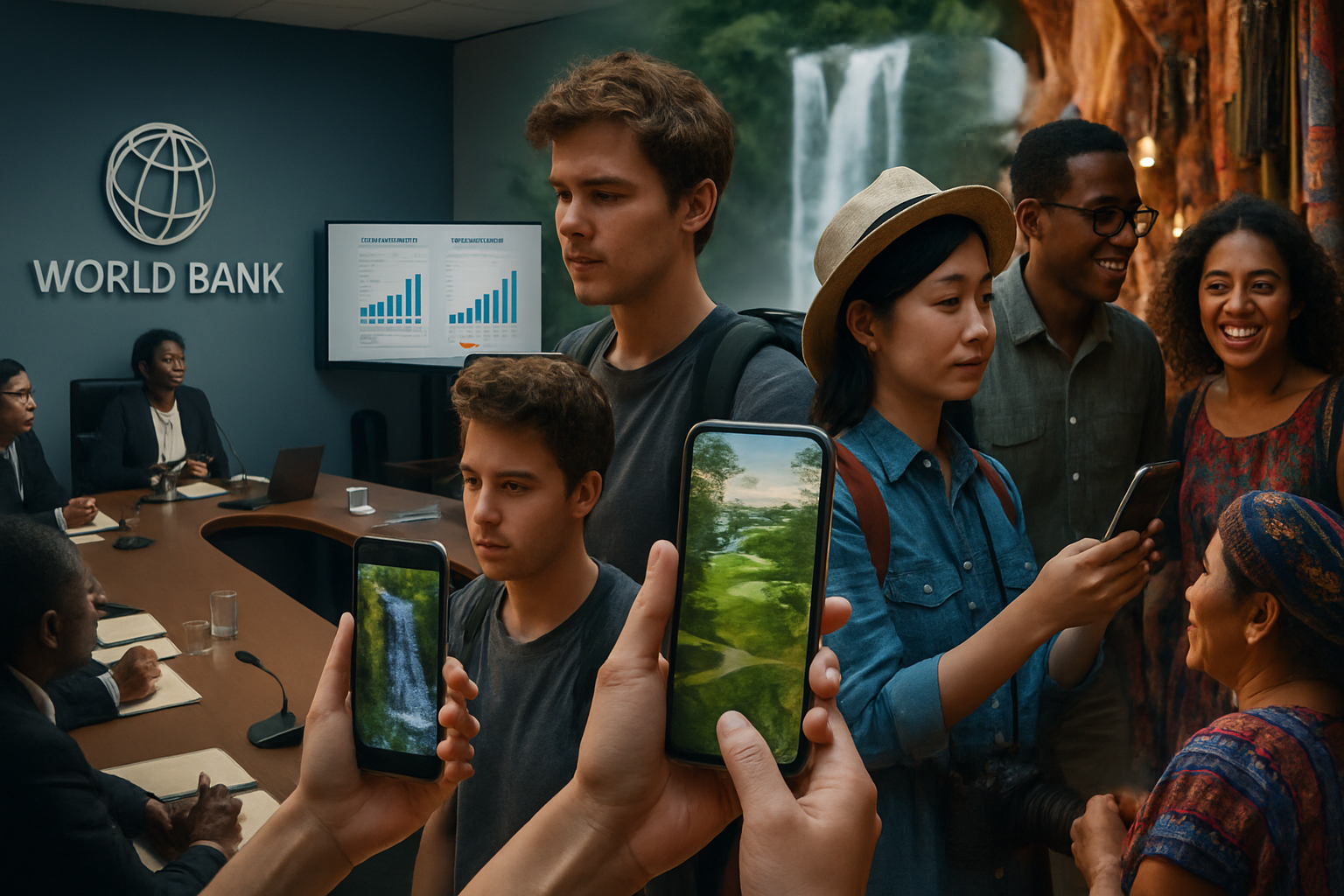
The global tourism industry is undergoing a strategic transformation as destinations worldwide implement sophisticated partnerships and digital innovations to manage visitor flows while adapting to unprecedented global challenges, from entertainment-driven surges to institutional development programs.
In a significant development for sustainable tourism infrastructure, the Dominican Republic strengthened its collaboration with the World Bank this week, presenting a comprehensive development plan for the Pedernales province and Enriquillo region. The initiative, led by Carlos Peguero, vice minister of international cooperation at the Ministry of Tourism, focuses on positioning Cabo Rojo as a driver of inclusive economic growth through strategic tourism development.
The timing of this World Bank partnership reflects broader industry trends toward quality-focused development over volume-based approaches, building on the Caribbean nation's successful tourism recovery that has seen sustained growth despite regional challenges.
Entertainment Media Drives Destination Discovery
Meanwhile, Iceland is experiencing an extraordinary example of how entertainment media transforms destination marketing. The Icelandic waterfall Háifoss in Þjórsárdalur is projected to receive many times more tourists in 2026 than in previous years, following its appearance in the final episode of Netflix's "Stranger Things" series.
The impact has been dramatic - Google searches for the waterfall increased by 5,000% after the episode aired during the New Year period, when more than 100 million people watched the finale. Despite challenging winter road conditions, tourists are already arriving at the remote location, all citing the Netflix series as their inspiration.
This phenomenon demonstrates the power of digital media in shaping modern travel patterns, aligning with broader industry observations about Generation Z travelers who represent 50% of those making multiple trips annually and increasingly use AI-integrated travel planning to discover authentic experiences.
Nordic Cross-Border Tourism Dynamics
The Finnish-Norwegian border region illustrates how currency fluctuations and local conditions create unique tourism microeconomics. Despite a slight strengthening of the Norwegian krone, Norwegian purchasing enthusiasm in Finland's Kilpisjärvi region remains strong, particularly for meat, candy, and alcohol during favorable weather conditions.
Kilpisjärvi merchants report that good weather brings Norwegian visitors for cross-border shopping, highlighting how even minor economic and weather variations can significantly impact regional tourism flows. This trend reflects the sophisticated understanding destinations must develop regarding the multiple factors influencing visitor behavior.
Sports Tourism Expansion in East Africa
Uganda is positioning itself as an emerging golf and sports tourism destination through a strategic partnership with the European Tour Group. A delegation is conducting an eight-day fact-finding mission in Fort Portal to assess the country's golf courses and surrounding tourism potential.
The mission, organized in partnership with the Uganda Tourism Board, Uganda Airlines, and the Uganda Golf Union, represents a systematic approach to developing sports tourism infrastructure. This initiative aligns with global trends showing sports tourism as a rapidly growing sector offering year-round visitor attraction beyond traditional seasonal patterns.
The European delegation's presence in Fort Portal demonstrates how international partnerships are becoming essential for emerging destinations to establish credibility and develop specialized tourism sectors that command higher visitor spending and longer stays.
Technology Integration Enhances Cultural Authenticity
These diverse developments reflect the tourism industry's evolution toward sophisticated destination management that balances economic objectives with cultural preservation and environmental sustainability. The success factors consistently emerging across regions include cultural authenticity preservation, enhanced visitor experiences through strategic infrastructure, and meaningful community involvement in tourism planning.
The Dominican Republic's institutional approach through World Bank collaboration, Iceland's adaptive management of unexpected visitor surges, Finland's cross-border tourism optimization, and Uganda's strategic sports tourism development all demonstrate different aspects of this transformation.
Regional cooperation is increasingly replacing individual destination competition, with countries recognizing that collaborative development and coordinated marketing create more resilient and sustainable tourism economies.
Infrastructure Investment Drives Quality Focus
These developments occur within the context of unprecedented global tourism infrastructure investment, with over $570 billion allocated to enhancing connectivity, visitor services, and operational capacity beyond traditional hospitality offerings. Countries implementing comprehensive tourism infrastructure are demonstrating greater economic resilience and sustainable investment attraction.
The success of these varied approaches - from institutional partnerships to entertainment-driven marketing, cross-border commerce to sports specialization - suggests that effective tourism development in 2026 requires adaptive management strategies that can respond to rapidly changing consumer preferences while maintaining authentic cultural expressions.
Climate Resilience and Sustainable Development
With January 2026 marking the 18th consecutive month of global temperatures exceeding 1.5°C above pre-industrial levels, climate resilience has become essential for destination competitiveness. The integration of climate adaptation into tourism development planning represents a crucial evolution in industry thinking.
The diverse strategies emerging across the Dominican Republic, Iceland, Finland, and Uganda demonstrate that successful tourism development in the current era requires balancing immediate economic benefits with long-term sustainability considerations, community well-being, and environmental protection.
As the industry continues its post-pandemic transformation, these examples provide templates for destinations worldwide seeking to navigate complex global challenges while building resilient, community-focused tourism economies that serve both visitors and local populations effectively.