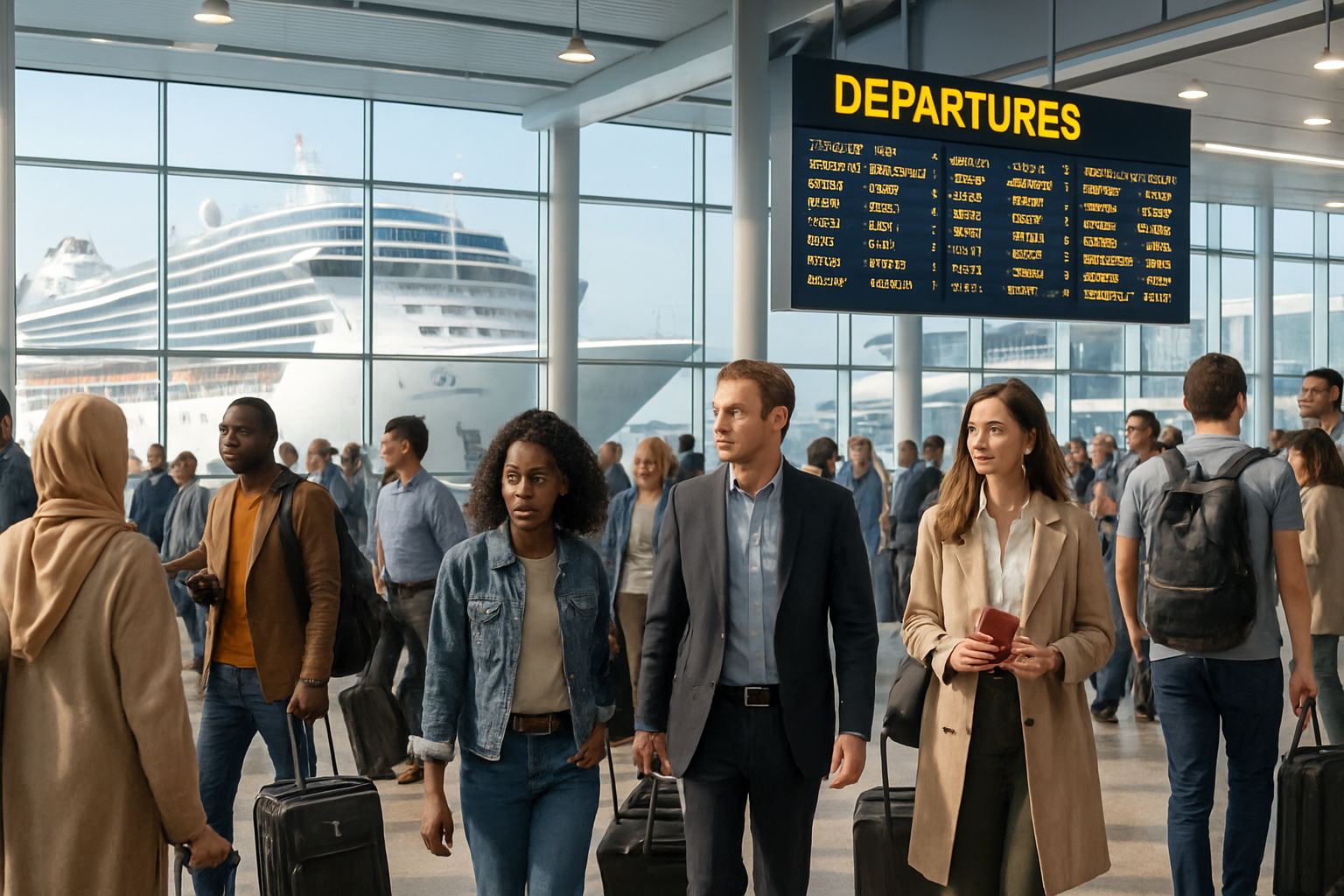
The global tourism industry continues to demonstrate remarkable resilience and adaptation in February 2026, with developments ranging from Albania's growing international recognition to major cruise line expansions, business tourism conferences, and celebrity-driven travel surges across multiple continents.
Albania Emerges as Mediterranean Hotspot
Prestigious travel authority Lonely Planet has reinforced Albania's position as one of Europe's most talked-about destinations, providing detailed guidance on optimal travel periods for the Balkan nation. The publication highlights Albania's crystal-clear waters, UNESCO heritage cities interwoven with charming cobblestone streets, and diverse natural attractions that have captured international attention.
While summer months from June to August remain the peak tourist season ideal for beach activities and snow-free mountain exploration, Lonely Planet emphasizes this period offers exceptional experiences despite higher visitor volumes. The growing popularity reflects broader trends toward authentic cultural destinations that combine natural beauty with rich historical heritage, positioning Albania as a Mediterranean alternative to more crowded traditional hotspots.
Cruise Industry Expansion Accelerates
The cruise industry demonstrates robust recovery with significant expansion announcements. Norwegian Cruise Line revealed plans for its new flagship, the Norwegian Aura, which will become the company's largest and longest cruise ship upon its June 2027 debut from Miami. With capacity for 3,840 passengers and measuring nearly 345 meters in length, the vessel represents the industry's confidence in sustained growth.
The Norwegian Aura will offer Eastern Caribbean routes between June and October 2027, with confirmed stops in Puerto Plata (Dominican Republic), St. Thomas, and multiple Caribbean destinations. This expansion aligns with broader cruise industry trends emphasizing larger capacity vessels and diverse itinerary options to capture growing demand for leisure travel.
Entertainment Tourism Drives International Arrivals
Celebrity concerts continue to generate significant tourism impacts, as demonstrated by El Salvador's massive tourist influx for Shakira's fourth concert as part of her artistic residency. The Monseñor Romero International Airport reported substantial international arrivals from early morning hours, with travelers from various international destinations identified as fans seeking to attend the performance.
This surge reflects the growing importance of entertainment tourism in the post-pandemic recovery, with major artists increasingly establishing residency-style engagements that drive sustained tourism benefits rather than single-event impacts. The phenomenon demonstrates how cultural events can serve as powerful economic catalysts for destinations willing to invest in appropriate infrastructure and promotion.
Business Tourism and Professional Development
Uzbekistan's hospitality sector showcased its growing sophistication through the VII Hotel Business Forum 2026, one of Central Asia's key tourism and hospitality events. The February 14 conclusion of the forum's second day emphasized themes of professional education and international expertise as foundations for sustainable tourism development.
The event reflects the broader evolution of business tourism, where destinations increasingly leverage professional conferences and industry gatherings to establish credibility, attract investment, and build international networks. This approach has proven particularly effective for emerging destinations seeking to establish themselves in global tourism markets.
Authentic Experiences Drive Market Differentiation
The Philippines tourism sector received positive feedback from Filipino-Canadians, Canadians, and Americans who expressed being "very impressed" with their visits to the country's tourist destinations. From healing steam inhalation experiences to encounters with active volcanoes, visitors highlighted the authentic and diverse nature of Philippine tourism offerings.
This emphasis on authentic, locally-rooted experiences reflects a broader industry shift away from standardized tourism products toward culturally immersive activities. Destinations succeeding in this environment are those that can effectively balance modern visitor expectations with genuine cultural expression and natural beauty preservation.
Seasonal Travel Strategy Evolution
Australia's travel media highlighted alternative seasonal approaches, with coverage of autumn in France revealing "hidden gems" during traditionally less popular periods. This counter-seasonal marketing approach reflects sophisticated destination management strategies that seek to distribute visitor impacts more evenly throughout the year while offering unique experiences not available during peak seasons.
Such approaches have proven increasingly effective in addressing overtourism concerns while maintaining economic benefits, allowing destinations to offer more intimate experiences and competitive pricing during shoulder seasons.
Adventure and Specialty Tourism Growth
The extreme travel sector continues to attract attention, with fewer than 500 people worldwide having achieved certain rare travel milestones, including approximately 10 Australians according to verification groups. These ultra-exclusive travel achievements represent a growing niche market for adventure tourism operators and specialized travel services.
The appeal of such achievements demonstrates the market potential for highly specialized, authentic adventure experiences that offer genuine exclusivity and personal accomplishment rather than mass-market accessibility.
Infrastructure Investment Supports Recovery
Across all regions covered in the recent developments, successful tourism growth correlates strongly with infrastructure investment and professional development initiatives. From Albania's tourism infrastructure supporting increased international recognition to Uzbekistan's professional forum enhancing industry capabilities, destinations that invest in both physical and human capital demonstrate superior resilience and growth potential.
The Norwegian Aura's massive scale and technical sophistication represent similar infrastructure investments in the private sector, with cruise lines betting on sustained consumer demand for premium travel experiences.
Regional Cooperation and Integration
The diverse geographic spread of these developments—spanning the Balkans, Caribbean, Central Asia, Southeast Asia, and Australia—illustrates the truly global nature of tourism recovery. Each region demonstrates unique approaches to growth while sharing common themes of authenticity, infrastructure investment, and professional development.
Regional cooperation appears particularly important for smaller destinations like Albania and El Salvador, which benefit from broader regional marketing efforts and shared infrastructure development initiatives.
Technology and Innovation Integration
Modern tourism development increasingly incorporates technological solutions for visitor management, booking systems, and operational efficiency. The Uzbekistan forum's emphasis on international expertise reflects the industry's recognition that successful destinations must integrate global best practices with local cultural authenticity.
Similarly, the cruise industry's advancement in vessel size and capacity demonstrates technological innovation serving growing consumer demand while maintaining safety and environmental standards.
Sustainability and Community Benefits
Underlying all these developments is an increased focus on sustainable tourism models that provide genuine benefits to local communities while preserving cultural and environmental resources for long-term viability. This shift represents a fundamental evolution from volume-based tourism strategies toward quality-focused approaches that emphasize visitor experience, local engagement, and long-term destination competitiveness.
The success stories emerging from this period suggest that destinations combining authentic cultural offerings, strategic infrastructure investment, professional development, and sustainable practices are best positioned for continued growth in an increasingly sophisticated global tourism marketplace.