The global tourism industry is experiencing a strategic transformation as destinations across Europe and the Middle East implement innovative policies and embrace quality-focused growth strategies, driven by changing consumer preferences and the need for sustainable development models.
Mediterranean Winter Tourism Surge
France continues to attract international visitors seeking winter sunshine, with tourism authorities identifying optimal destinations for escaping the grey winter days. The country's diverse climate zones provide unique opportunities for year-round tourism, positioning France as a leading winter destination within Europe.
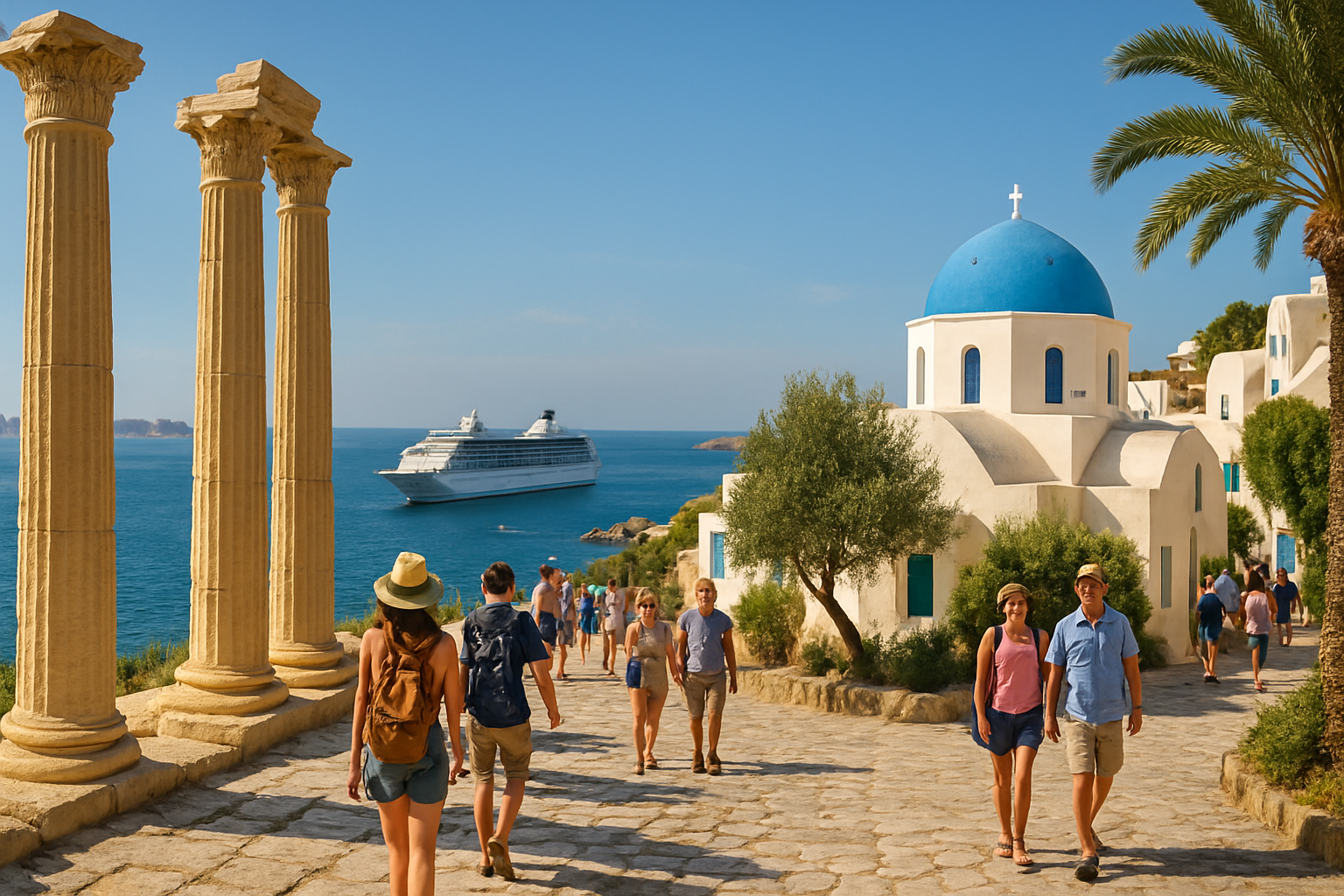
Greece has emerged as a resilient tourism powerhouse in 2026, with industry analysts noting that the country remains at the center of international travel flows despite global economic pressures. The decline in interest rates, falling energy costs, and rising market confidence have created favorable conditions for Greece's tourism sector, with the country successfully attracting billions in visitor spending despite geopolitical tensions and trade uncertainties.
Innovative Seasonal Workforce Solutions
Saudi Arabia's Ministry of Tourism has implemented a groundbreaking approach to seasonal workforce management through the mandatory use of the Ajeer platform for all temporary worker contracts. This digital-first policy ensures that tourism facilities can efficiently manage peak-season staffing needs during Ramadan and Hajj periods while maintaining proper documentation and regulatory compliance.
"The platform provides integrated and flexible solutions that enable tourism establishments to hire temporary staff during peak periods and beyond, linking facilities with locally available talent under verified and lawful contracts."
— Saudi Arabia Ministry of Tourism
The Ajeer platform represents a sophisticated technological approach to hospitality workforce management, addressing the industry's long-standing challenge of seasonal labor shortages while ensuring worker protection and regulatory compliance. This model could serve as a template for other destinations facing similar workforce challenges.
European Destination Marketing Evolution
Italy is positioning itself as the premier destination for spring walking holidays, with tourism officials highlighting the country's diverse landscapes and cultural attractions as ideal for active tourism. The emphasis on walking holidays reflects broader industry trends toward sustainable, authentic experiences that combine physical activity with cultural immersion.
Italian destinations are moving beyond traditional beach and city tourism to offer experiential travel that appeals to health-conscious visitors seeking meaningful engagement with local landscapes and communities. This strategic positioning aligns with post-pandemic travel preferences for outdoor activities and wellness-focused experiences.
Technology Integration and Quality Focus
The tourism industry's evolution toward quality-focused strategies is evident across multiple destinations, with technology playing a crucial role in enhancing visitor experiences while preserving cultural authenticity. Digital solutions are being implemented for visitor management, booking systems, and operational efficiency.
Destinations are increasingly recognizing that sustainable tourism requires balancing economic benefits with community well-being, environmental protection, and cultural preservation. This shift represents a fundamental change from volume-based to value-based tourism development.
Regional Integration and Cooperation
The success of Mediterranean tourism in 2026 demonstrates the importance of regional cooperation and integrated marketing strategies. Countries are moving beyond individual destination competition toward collaborative approaches that create multi-destination experiences and shared benefits.
This collaborative model extends to workforce development, infrastructure investment, and crisis management, with destinations sharing best practices and resources to build resilient tourism ecosystems capable of adapting to changing market conditions.
Industry Transformation Drivers
Several key factors are driving the current transformation of the global tourism industry:
- Quality-focused strategies prioritizing visitor experience over capacity expansion
- Technology integration enhancing rather than replacing authentic cultural experiences
- Sustainable development models emphasizing community benefits and environmental protection
- Workforce innovation addressing seasonal labor challenges through digital platforms
- Regional cooperation replacing pure competition with collaborative marketing and development
Economic Multiplier Effects
The tourism industry's evolution toward quality-focused strategies is generating significant economic multiplier effects beyond traditional hospitality sectors. These include improved infrastructure, enhanced cultural programming, workforce development, and increased support for local artisans and service providers.
Destinations implementing comprehensive tourism strategies that integrate community development, cultural preservation, and environmental sustainability are demonstrating greater economic resilience and attracting sustainable investment.
Future Outlook and Strategic Implications
The developments observed across European and Middle Eastern destinations in early 2026 suggest that the tourism industry is entering a new phase of maturation characterized by sophisticated destination management, technological integration, and sustainable development practices.
Success in this evolving landscape requires destinations to balance multiple objectives: economic growth, community benefits, cultural preservation, and environmental responsibility. The destinations that achieve this balance are positioning themselves as leaders in the next generation of global tourism development.
As the industry continues its post-pandemic recovery, the emphasis on authentic experiences, sustainable practices, and community engagement is reshaping traditional tourism models and creating new standards for destination competitiveness. The lessons learned from these current developments will likely influence tourism policy and practice for decades to come.