The global tourism industry is experiencing a remarkable recovery in early 2026, driven by innovative infrastructure projects, enhanced visitor experiences, and strategic investments that are reshaping how destinations attract and serve travelers worldwide.
From mountain villages implementing cable car systems to major sporting venues upgrading facilities, tourism sectors across multiple continents are demonstrating resilience and adaptation following years of pandemic-related challenges. Recent developments across Austria, Finland, Turkey, Oman, Australia, and Romania highlight a coordinated effort to improve accessibility, safety, and visitor satisfaction through targeted infrastructure investments.
Mountain Tourism Innovation in Oman
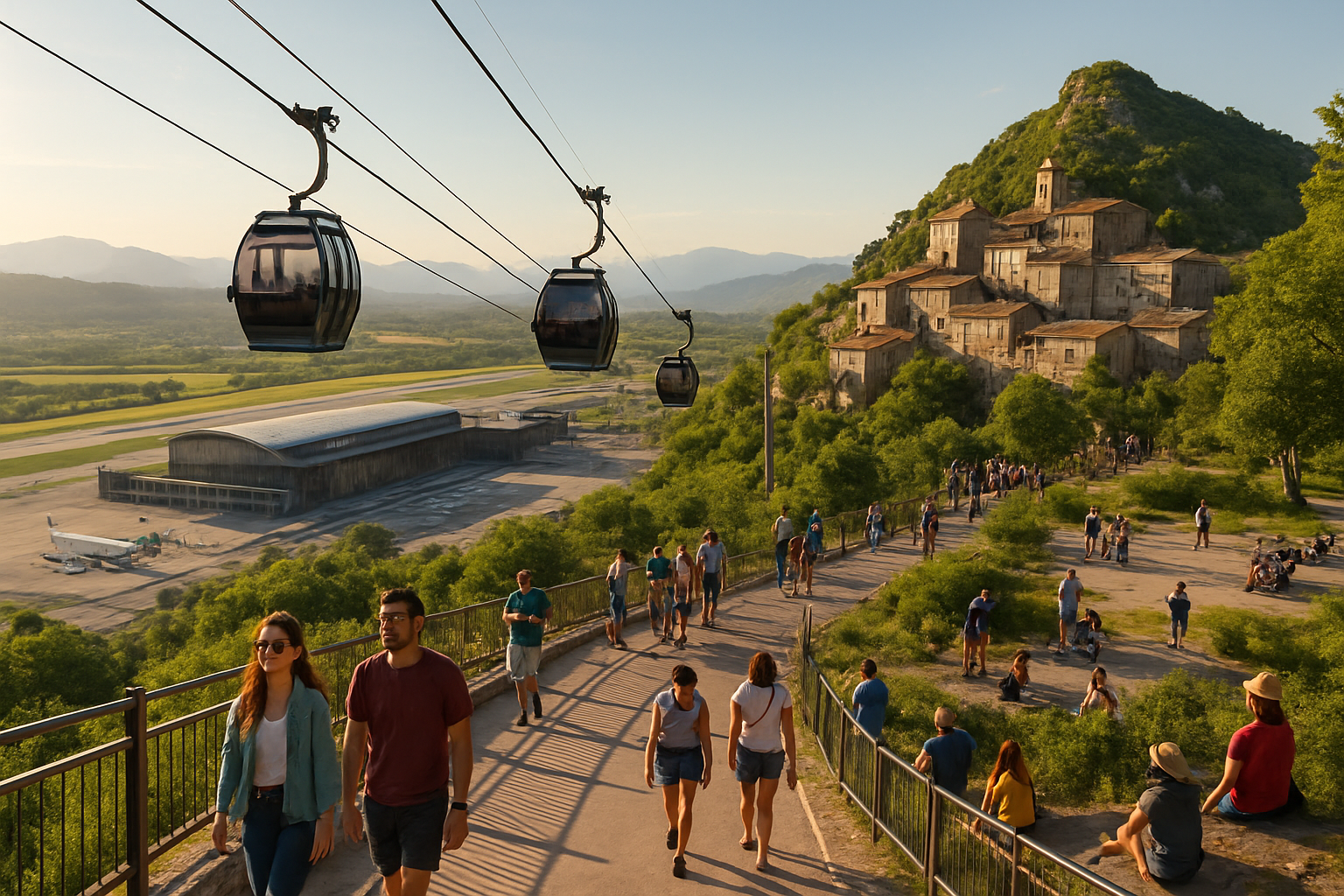
One of the most ambitious projects comes from Oman, where the Ministry of Heritage and Tourism is evaluating a cable car implementation for Wakan Village in Nakhal, South Batinah. This proposed transport solution addresses the growing success of the mountain destination, which recorded nearly 40,000 visitors in 2025.
Dr Al Mu'atasim Nasser al Hilali, Director of the Heritage and Tourism Department in South Batinah, noted that Wakan Village has emerged as a premier destination for its unique agricultural terraces and cool climate. The village, situated at approximately 2,000 meters above sea level, currently requires visitors to climb 700 steps to reach the summit, creating accessibility challenges amid increasing tourist interest.
"The cable car project aims to alleviate traffic congestion on the steep ascent to the mountain village while managing the growing influx of visitors safely and sustainably."
— Dr Al Mu'atasim Nasser al Hilali, Heritage and Tourism Department
Beyond the cable car study, the Ministry is actively developing mountain paths with safety guardrails and rest areas to support hikers. This comprehensive approach demonstrates how destinations are balancing traditional tourism experiences with modern safety requirements and accessibility standards.
European Tourism Milestones
Finland reported record-breaking tourism performance with unprecedented overnight stays recorded in 2025, according to official statistics released in early February 2026. This achievement reflects the Nordic country's successful positioning as a winter tourism destination and its effective marketing of unique experiences such as Northern Lights viewing and winter sports.
Austria continues to strengthen its winter tourism offerings with expanded winterwandern (winter hiking) routes that prioritize both natural enjoyment and safety reliability. The country's focus on developing secure winter recreation opportunities addresses growing demand for outdoor activities during the cold months, particularly as travelers seek authentic experiences in natural settings.
Turkish Tourism Revenue Surge
Turkey achieved remarkable financial success with tourism revenues exceeding $65 billion in 2025, representing significant growth in the sector's contribution to the national economy. This performance demonstrates Turkey's effectiveness in maintaining its position as a major destination bridging Europe and Asia, with particular strength in cultural heritage tourism and traditional experiences like Istanbul's renowned hamam baths.
The Turkish success story illustrates how countries can leverage cultural authenticity and historical assets to drive sustained tourism growth, even amid regional challenges and global economic uncertainties.
Sports Tourism Infrastructure Upgrades
Australia's Formula 1 sector exemplifies how sports tourism infrastructure continues evolving to enhance fan experiences. Albert Park is implementing significant improvements ahead of the 2026 season opener in March, including larger bridges and expanded shade coverage throughout the venue.
These upgrades address longstanding fan comfort issues and demonstrate the sports tourism industry's commitment to continuous improvement. Formula 1 events represent high-value tourism experiences that generate substantial economic impact for host cities, making infrastructure investments essential for maintaining competitiveness in the global sports tourism market.
Transportation Infrastructure Development
Romania's Timiș County is preparing for its largest infrastructure investment in recent years with the DJ 684 mountain road project, estimated to cost nearly 100 million euros. This spectacular mountain route is designed to rival Romania's famous Transfăgărășan highway and unlock tourism potential in an area with "enormous touristic potential."
The project represents multiple road sections that will enhance accessibility to previously difficult-to-reach mountain regions, potentially creating new tourism circuits and supporting rural economic development through increased visitor access.
Recovery Patterns and Market Dynamics
The current tourism recovery demonstrates several key characteristics that differentiate 2026 from previous post-crisis recoveries. Asian markets continue leading global recovery, with Singapore exceeding tourism receipt forecasts and Hong Kong expecting 6% visitor increases during traditional peak travel periods.
Quality-focused strategies have emerged as the dominant approach, with destinations prioritizing visitor experience improvements over simple volume increases. This shift reflects lessons learned during the pandemic about the importance of sustainable tourism models that balance economic benefits with infrastructure capacity and community well-being.
Technology Integration and Innovation
Destinations are increasingly incorporating technology solutions to enhance visitor experiences and operational efficiency. From AI-powered destination discovery systems to digital payment platforms for monument access, the integration of smart technology has become essential for competitive tourism offerings.
Infrastructure projects now routinely include digital components such as real-time visitor monitoring, automated safety systems, and enhanced communication networks that support both visitor safety and experience quality.
Challenges and Opportunities
Despite positive recovery trends, the tourism sector faces ongoing challenges including climate adaptation requirements, labor shortage issues in some regions, and the need for sustainable financing mechanisms for large infrastructure projects.
The cable car project in Oman exemplifies how destinations must balance preservation of natural and cultural assets with accessibility improvements. Similarly, European winter tourism development must consider climate volatility and extreme weather preparedness as essential components of infrastructure planning.
International Cooperation and Standards
The recovery period has emphasized the importance of international cooperation in tourism development, with organizations like the UN Tourism supporting diplomatic partnerships and professional development initiatives across regions.
Countries are increasingly sharing best practices in areas such as emergency preparedness, sustainable infrastructure development, and visitor safety protocols. This collaborative approach strengthens the overall resilience of global tourism networks.
Economic Impact and Investment Trends
Tourism infrastructure investments are generating significant economic multiplier effects beyond direct tourism revenue. The Romanian mountain road project, Oman's cable car system, and Australia's sports venue upgrades all demonstrate how tourism infrastructure serves broader economic development objectives including job creation, regional connectivity, and international competitiveness.
Investment patterns show a preference for projects that combine immediate tourism benefits with long-term infrastructure value, supporting both visitor experiences and local community development needs.
Future Outlook
The tourism recovery trajectory in early 2026 suggests continued momentum through strategic infrastructure development and experience enhancement initiatives. Destinations that successfully balance accessibility improvements with authentic cultural preservation appear best positioned for sustained growth.
The emphasis on safety, sustainability, and visitor experience quality indicates a maturing approach to tourism development that prioritizes long-term viability over short-term volume gains. This evolution reflects both industry learning from recent challenges and recognition of tourism's role in broader economic and social development objectives.
As the global tourism industry continues its recovery journey, the infrastructure innovations and visitor experience improvements implemented in 2026 will likely set new standards for destination competitiveness and sustainability in the years ahead.