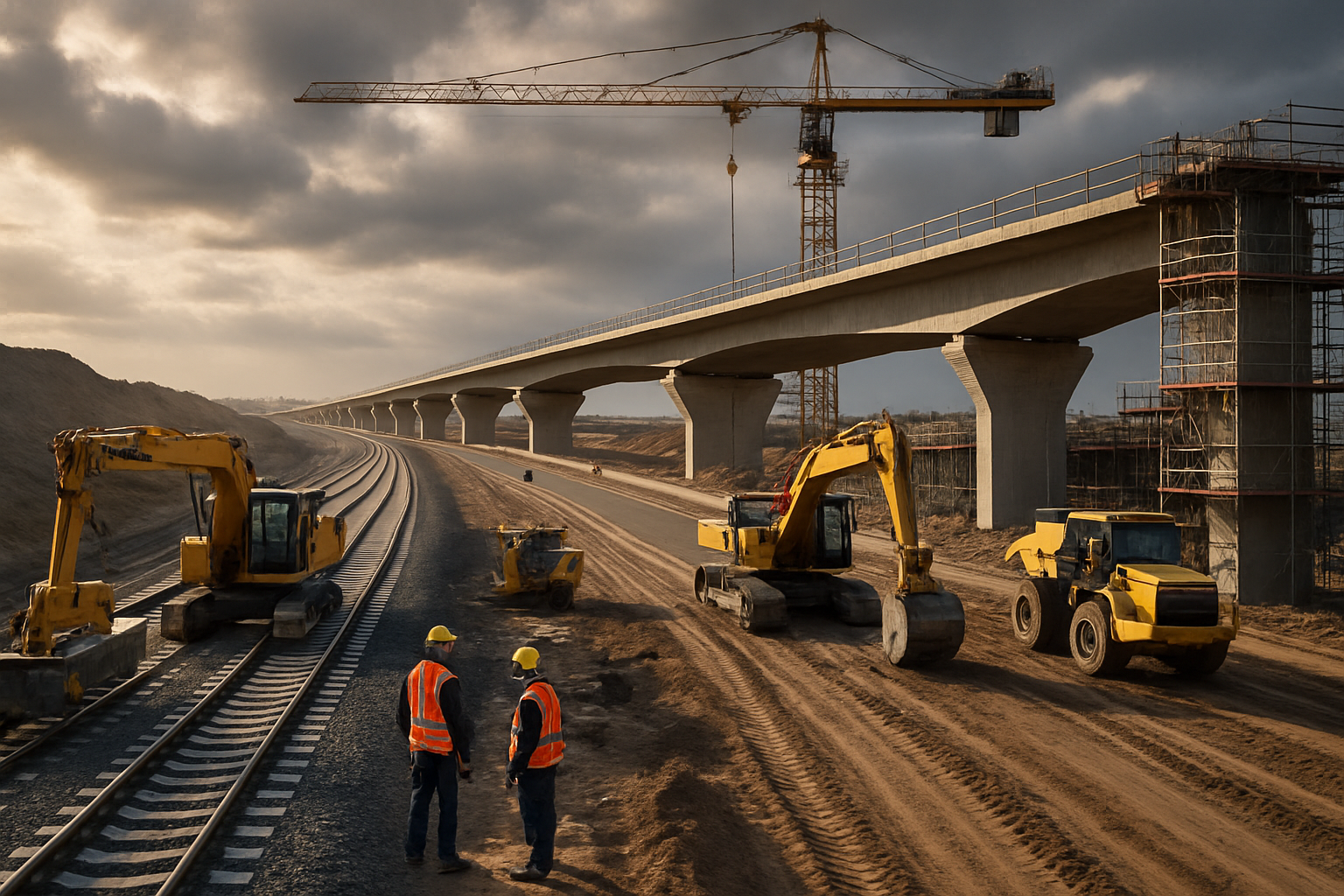
A coordinated surge in transportation infrastructure development is transforming global connectivity, with major projects spanning Germany, Jordan, and Liberia demonstrating unprecedented international commitment to modernizing transport networks and enhancing regional integration.
From late spring 2026, Germany will launch new direct train services connecting Dresden, Berlin, and Hamburg to Copenhagen, marking a significant expansion of cross-border European rail connectivity. The initiative represents part of the European Union's broader sustainable transportation strategy, emphasizing reduced carbon emissions and enhanced regional integration through improved public transit options.
Historic Infrastructure Investment in West Africa
In a groundbreaking ceremony at Bo Waterside, Grand Cape Mount County, President Joseph Nyuma Boakai Sr. officially launched Liberia's most ambitious infrastructure project in decades. The US$363.9 million Western Corridor Road program will construct and pave 255 kilometers of primary roads across four counties, creating a transformative trade corridor from Western Liberia to the Mano River region.
The project, structured as a public-private partnership, promises to dramatically reduce travel times, lower transport costs, and connect previously isolated communities across western Liberia. With Sierra Leone's president standing alongside President Boakai at the ceremony, the initiative underscores the regional significance of enhanced cross-border connectivity.
"This is a historic moment for Liberia's development and regional integration. The Western Corridor will open new economic opportunities for our people while strengthening ties with our neighbors."
— President Joseph Nyuma Boakai Sr., Liberia
Middle Eastern Transportation Modernization
Jordan continues advancing comprehensive transportation infrastructure improvements with multiple projects enhancing domestic and regional connectivity. The Ministry of Public Works and Housing began earthworks for the second part of the third phase of the Irbid Ring Road project, a vital artery serving the northern governorate and broader national transportation network.
The project encompasses extensive earthwork operations, construction of box culverts, and a 28-meter underground passage on Shatna Road. These improvements address chronic traffic congestion while incorporating modern engineering standards for safety, capacity, and climate resilience.
Additionally, Jordan's Land Transport Regulation Authority announced significant progress in public transport development between governorates. The initiative, part of the authority's 2024-2026 strategic plan, includes four main operational routes serving multiple provinces, with plans to expand to seven new routes utilizing 180 buses to improve service quality for citizens.
Technology Integration and Climate Adaptation
Modern transportation infrastructure projects universally incorporate sophisticated technology from the design phase, including real-time monitoring systems, predictive maintenance capabilities, digital payment integration, and environmental optimization features. These advances represent a fundamental shift from traditional construction approaches to comprehensive smart infrastructure systems.
Climate adaptation has evolved from an optional consideration to a mandatory requirement, with projects incorporating enhanced drainage systems, weather-resistant materials, and backup power infrastructure designed for future climate conditions rather than historical patterns.
Regional Integration Objectives
The projects demonstrate growing recognition that transportation infrastructure serves as the foundation for economic competitiveness, climate adaptation, and international cooperation. Germany's rail connections strengthen European Union integration, while Jordan's improvements support Middle Eastern regional development goals.
Liberia's Western Corridor particularly exemplifies infrastructure's role in continental integration, aligning with African Continental Free Trade Area (AfCFTA) objectives for enhanced cross-border connectivity and economic development.
Economic and Social Impact
Transportation infrastructure creates substantial economic multiplier effects extending far beyond construction employment. Improved connectivity reduces logistics costs, enhances market access, and increases business productivity while supporting tourism development and regional trade.
The Liberian project alone is expected to benefit hundreds of thousands of residents through improved access to markets, healthcare, education, and employment opportunities. Previously isolated communities will gain connection to regional and international economic networks for the first time.
For Jordan, the transportation improvements support the kingdom's strategic position as a regional logistics hub while enhancing quality of life for citizens through reduced commute times and improved public transit options.
Implementation Challenges and Solutions
Contemporary infrastructure projects face universal challenges including material cost inflation, skilled labor shortages, environmental compliance requirements, and coordination complexity across multiple stakeholders and jurisdictions.
Success factors include sustained political commitment transcending electoral cycles, transparent governance frameworks, comprehensive community engagement, and adaptive management strategies responding to changing conditions during multi-year project timelines.
International cooperation provides essential technical assistance, knowledge sharing, and coordinated procurement addressing global supply chain disruptions while maintaining quality standards and cost controls.
Global Infrastructure Renaissance
These developments occur within an unprecedented $570+ billion global infrastructure investment surge representing coordinated international recognition that connectivity infrastructure serves as strategic foundations for sustainable prosperity in an interconnected world.
From Vietnam's $120 billion expressway commitments to Kazakhstan's international road corridors, nations worldwide are investing in transportation networks that support economic development while addressing climate adaptation requirements and regional integration objectives.
The convergence of technological advancement, environmental awareness, and international cooperation is creating new development models that prioritize sustainability alongside economic growth, influencing infrastructure strategies for decades ahead.
Strategic Significance
April 2026 represents a watershed moment in global infrastructure development, establishing precedents that will influence transportation policy worldwide. The choice between transformative infrastructure adaptation and reactive crisis management has become increasingly critical as the window for preventive climate action narrows.
Projects like Liberia's Western Corridor, Germany's international rail connections, and Jordan's comprehensive transportation improvements provide templates for effective 21st-century infrastructure development, demonstrating how nations can balance immediate mobility needs with long-term sustainability goals.
These initiatives establish infrastructure as comprehensive systems supporting economic development, environmental protection, and social connectivity simultaneously, rather than simple transportation assets. Their success will determine adaptive capacity for societies seeking to thrive in an interconnected, climate-challenged world through sophisticated planning that serves immediate community needs while building foundations for sustainable long-term prosperity.