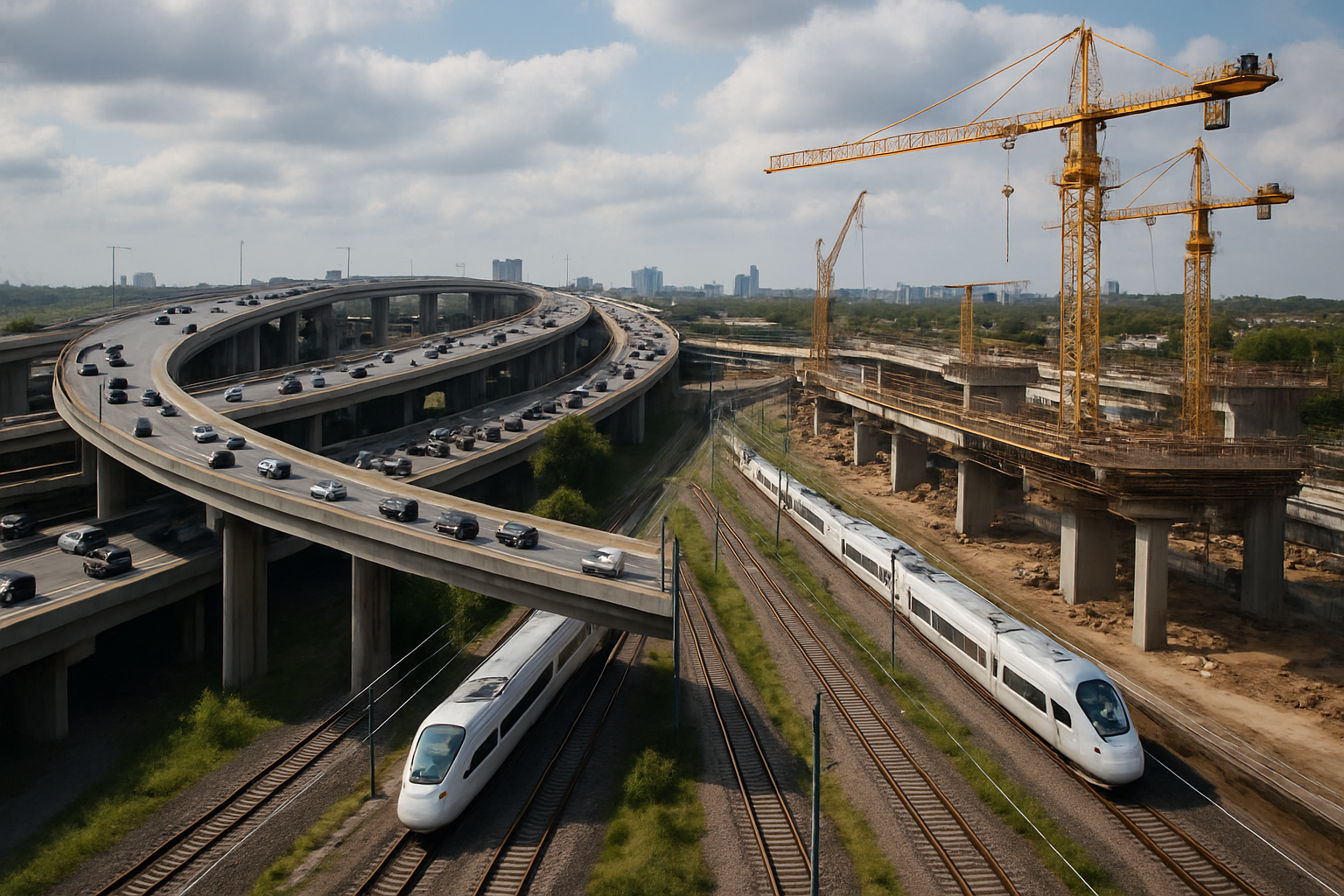
Transportation infrastructure development continues to accelerate across multiple continents as countries invest heavily in modernizing their connectivity networks, with significant developments reported from Azerbaijan, Greece, and Paraguay showcasing diverse approaches to infrastructure challenges.
In a strategic move to serve citizens returning to liberated territories, Azerbaijan has launched the new Sumqayıt–Lachin bus route, marking a significant step in regional connectivity restoration. The route represents part of Azerbaijan's broader infrastructure reconstruction efforts in formerly occupied territories, facilitating the movement of people and goods in areas undergoing rehabilitation.
European Rail Network Faces Safety Challenges
Greece's suburban railway system experienced disruptions when a train collision occurred near the Pénte Pigadía crossing on the Patras route. The incident involved a suburban railway train traveling from Rio to the Agios Andreas station in Patras colliding with a private vehicle. While the collision resulted in material damage and service delays, it highlights ongoing safety concerns in European rail networks as traffic volumes increase.
The incident underscores the critical importance of railway crossing safety systems, particularly as European countries work to maintain aging infrastructure while accommodating growing passenger demands. Greek authorities are investigating the circumstances surrounding the collision as part of broader efforts to enhance railway safety protocols.
Paraguay Advances Comprehensive Road Safety Initiative
Paraguay's Ministry of Public Works and Communications (MOPC) has achieved remarkable progress in urban road safety improvements, with five districts reaching over 90% completion in their safety enhancement projects. The districts of San Estanislao, Carayaó, Capiibary, San Ignacio, and Coronel Bogado are entering the final phases of comprehensive road safety interventions.
According to MOPC officials, these projects represent a sophisticated approach to urban transportation safety, incorporating modern signage systems, traffic management improvements, and pedestrian protection measures. The interventions are designed to protect students, workers, and residents in areas with intensive vehicular movement.
"The law is clear and these improvements directly impact the daily safety of thousands of citizens in our communities."
— MOPC Spokesperson
The Paraguayan projects form part of the broader Urban Road Safety Plans initiative, which emphasizes pedestrian protection and traffic flow optimization in sectors experiencing heavy movement. The work includes the installation of comprehensive signage systems and complementary technical adjustments designed to modern safety standards.
Power Grid Infrastructure Under Scrutiny
Paraguay's electrical infrastructure also received attention as the National Electricity Administration (ANDE) conducted thorough inspections of the Yguazú Substation in Alto Paraná following a significant power failure on February 18. The incident affected electricity supply across various regions of the country, prompting immediate technical investigations.
ANDE Director Félix Sosa, accompanied by Technical Manager Tito Ocáriz, personally supervised the forensic analysis to determine the circumstances that led to the failure of a conductor on the 500 kV transmission line. The comprehensive investigation aims to establish preventive measures to avoid similar incidents in the future.
Officials indicated that once the analysis is complete and corrective actions are defined, a detailed public report will be released within approximately eight days, demonstrating transparency in infrastructure management and public accountability.
Global Infrastructure Investment Context
These developments occur within the broader context of the unprecedented global transportation infrastructure surge, with over $570 billion in investment flowing into connectivity projects worldwide. From Vietnam's $120 billion expressway commitment to African railway developments and European digital integration initiatives, countries are recognizing infrastructure as the foundation for post-pandemic economic recovery and climate adaptation.
The diversity of projects—from Azerbaijan's regional connectivity restoration to Paraguay's urban safety improvements and power grid reliability enhancements—demonstrates the multifaceted nature of modern infrastructure development. Countries are simultaneously addressing immediate connectivity needs while building resilience for future challenges.
Technology Integration and Safety Standards
Modern infrastructure projects increasingly incorporate smart technology systems, including real-time monitoring, digital traffic management, and predictive maintenance capabilities. These technological integrations are becoming standard requirements for new projects, reflecting the evolution from simple construction to comprehensive systems that support economic development, environmental protection, and social connectivity.
The emphasis on safety, demonstrated by Paraguay's comprehensive road safety initiatives, reflects a broader shift toward proactive infrastructure management. Rather than reactive maintenance, countries are implementing systematic approaches to prevent accidents and optimize traffic flow from the design phase.
Regional Integration and Economic Impact
Infrastructure projects like Azerbaijan's new bus route serve multiple objectives beyond simple transportation. They facilitate regional integration, support economic development, and demonstrate institutional capacity for large-scale project management. Similarly, Paraguay's road safety improvements create economic multiplier effects through enhanced connectivity, reduced accident costs, and improved business environments.
The economic implications extend beyond immediate construction employment to include reduced transportation costs, enhanced market access, and improved competitiveness. Infrastructure investments consistently demonstrate significant positive impacts on regional development and international trade facilitation.
Climate Adaptation and Resilience
Contemporary infrastructure development increasingly incorporates climate adaptation considerations. Projects must demonstrate resilience to extreme weather events, environmental compatibility, and positive community impacts for financing and regulatory approval. This represents a fundamental shift from historical infrastructure development toward systems designed for future rather than past climate conditions.
The power grid investigations in Paraguay, for example, reflect the critical importance of electrical infrastructure reliability as extreme weather events become more frequent. Modern infrastructure must balance immediate service needs with long-term resilience requirements.
Future Infrastructure Development Trends
The February 2026 developments establish important precedents for international infrastructure cooperation, technological integration, and community-centered development approaches. Success in these projects influences infrastructure planning worldwide, creating templates for different geographic, economic, and political contexts.
Future development will likely emphasize intermodal integration, connecting railway, highway, and aviation systems through comprehensive planning. Climate adaptation will become increasingly central to infrastructure design, requiring systems that can adapt to changing environmental conditions while maintaining reliable service.
The intersection of immediate development needs with long-term sustainability goals represents the defining challenge for 21st-century infrastructure development. Projects must serve current transportation needs while building foundations for decades of economic growth and environmental stewardship.