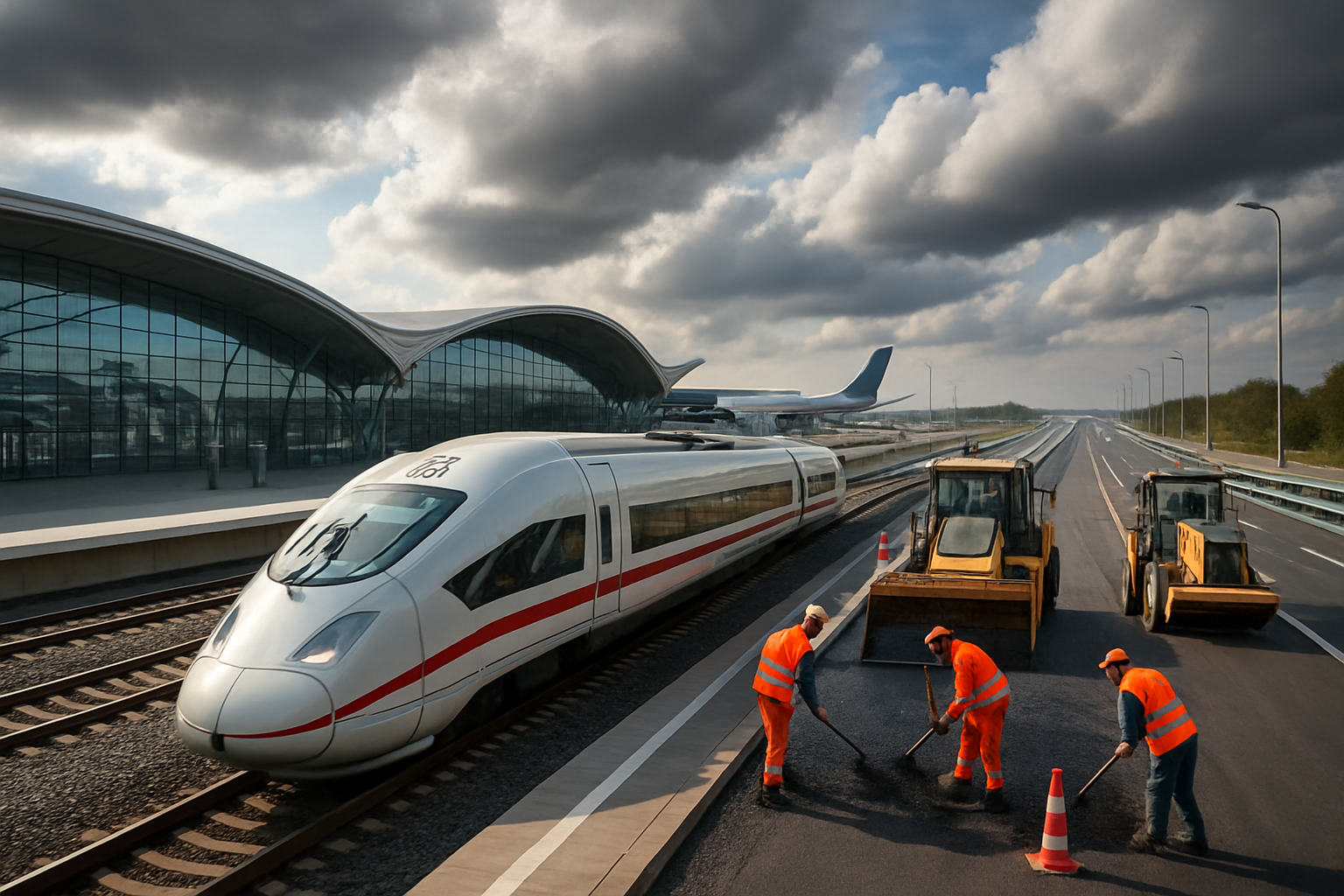
Transportation infrastructure across multiple continents faces a complex reality in February 2026: while massive development projects continue reshaping regional connectivity, operational disruptions remind us of the critical importance of maintaining existing networks.
The latest developments from Denmark and New Zealand illustrate this duality perfectly. Denmark's railway system experienced signal failures resulting in train cancellations, while Wellington Airport in New Zealand saw over 40 flights canceled due to fog conditions. These incidents, though routine operational challenges, underscore the vulnerability of transportation networks to both technical failures and weather conditions.
The Context of Global Infrastructure Investment
These disruptions occur against the backdrop of unprecedented global investment in transportation infrastructure. Recent months have witnessed Mexico completing the historic "El Insurgente" interurban train connecting Toluca to Mexico City after 12 years of construction, costing 100 billion pesos ($5.56 billion). Similarly, Malaysia's AirBorneo has ordered eight ATR aircraft to modernize rural air services, while Algeria launched a western mining railway connecting remote southwestern regions to transport hubs.
The scale of current infrastructure development is remarkable. From Romania's aviation challenges to Turkey's metro line restoration, from Caribbean aviation expansion to African railway revival, nations are simultaneously maintaining existing systems while building for the future.
Weather and Technical Challenges
The Danish railway signal failures and New Zealand flight cancellations highlight how even advanced transportation networks remain vulnerable to technical and weather-related disruptions. Wellington Airport's fog-related cancellations particularly demonstrate the ongoing challenge airports face with natural weather patterns, requiring passengers to check directly with airlines for updates.
"Passengers should check directly with their airlines for the latest information."
— Wellington Airport Spokesperson
These operational challenges come amid severe winter conditions affecting transportation globally. Record snowfall in Japan killed at least 30 people over two weeks, while Europe and North America experienced deadly winter storms that paralyzed transportation systems and led to over 110 deaths in the United States alone.
Infrastructure Investment Trends
Despite operational challenges, global infrastructure investment continues surging. Recent commitments include Cameroon's allocation of 660.4 billion CFA francs ($1.1 billion) for major infrastructure projects, representing over one-third of its public investment budget. Oman's government tenders doubled to RO 1.703 billion ($4.4 billion) in 2025, reflecting Vision 2040 strategic project emphasis.
The Philippines under the Marcos administration earmarked an additional PHP 5 billion ($89 million) for expanded public WiFi programs, while Singapore continues digital health initiatives despite ending its LumiHealth programme after six years.
Regional Integration Projects
Major cross-border connectivity projects are advancing rapidly. The Caribbean achieved a significant milestone with US approval for a submarine electrical cable connecting Dominican Republic to Puerto Rico, enabling cross-border renewable energy sharing. Meanwhile, Paraguay's Bioceanic Bridge connecting to Brazil is just 118 meters from completion in its central span.
Angola is reviving its historic Lobito Corridor railway, originally built in the early 1900s for colonial Portugal, now being rebuilt to access the DRC copper belt and reduce dependence on raw material exports. This reflects a broader African development trend toward regional integration and economic diversification.
Technology and Smart Infrastructure
Transportation infrastructure is increasingly incorporating smart technology solutions. Bolivia announced plans to provide internet connectivity to remote rural schools using compact antenna devices, while Malaysia upgraded its MySRBN from 4G to 5G for rural connectivity.
The integration of digital solutions with traditional infrastructure represents a paradigm shift. From Malaysia's startup ecosystem development to Sudan's launch of 28 digital services under the Baldna platform, governments are recognizing that modern infrastructure must combine physical and digital elements.
Challenges and Resilience
The transportation sector faces multiple simultaneous challenges. Climate change brings more extreme weather events, aging infrastructure requires constant maintenance, and growing demand strains existing capacity. The recent examples from Denmark and New Zealand, while minor in global context, illustrate how even small disruptions can have outsized impacts on travelers and commerce.
However, the sector's resilience is also evident. Wellington Airport operations continued despite flight cancellations, and Danish railway authorities worked to restore normal service promptly. These rapid responses demonstrate the sophistication of modern transportation management systems.
Economic Implications
Infrastructure investment has become a key economic development strategy globally. India's Union Budget 2026-27 allocated $133 billion for infrastructure development and announced seven high-speed rail corridors. The EU, despite facing critical raw materials shortages that threaten climate goals, continues pushing forward with transportation modernization programs.
These investments reflect recognition that transportation infrastructure serves as economic foundation. Efficient transportation networks reduce costs, improve productivity, and enable regional integration that drives economic growth.
Future Outlook
Looking ahead, the transportation sector will need to balance multiple priorities: maintaining existing networks, adapting to climate change, incorporating new technologies, and expanding capacity to meet growing demand. The current wave of infrastructure investment suggests governments recognize these challenges and are investing accordingly.
The examples from Denmark and New Zealand, while representing operational challenges, also demonstrate the sophisticated systems in place to manage disruptions and communicate with the public. As transportation networks become more complex and interconnected, this kind of resilience and responsiveness will become increasingly important.
The global transportation infrastructure surge continues despite local disruptions, reflecting the sector's dual challenge of building for tomorrow while keeping today's systems running smoothly.