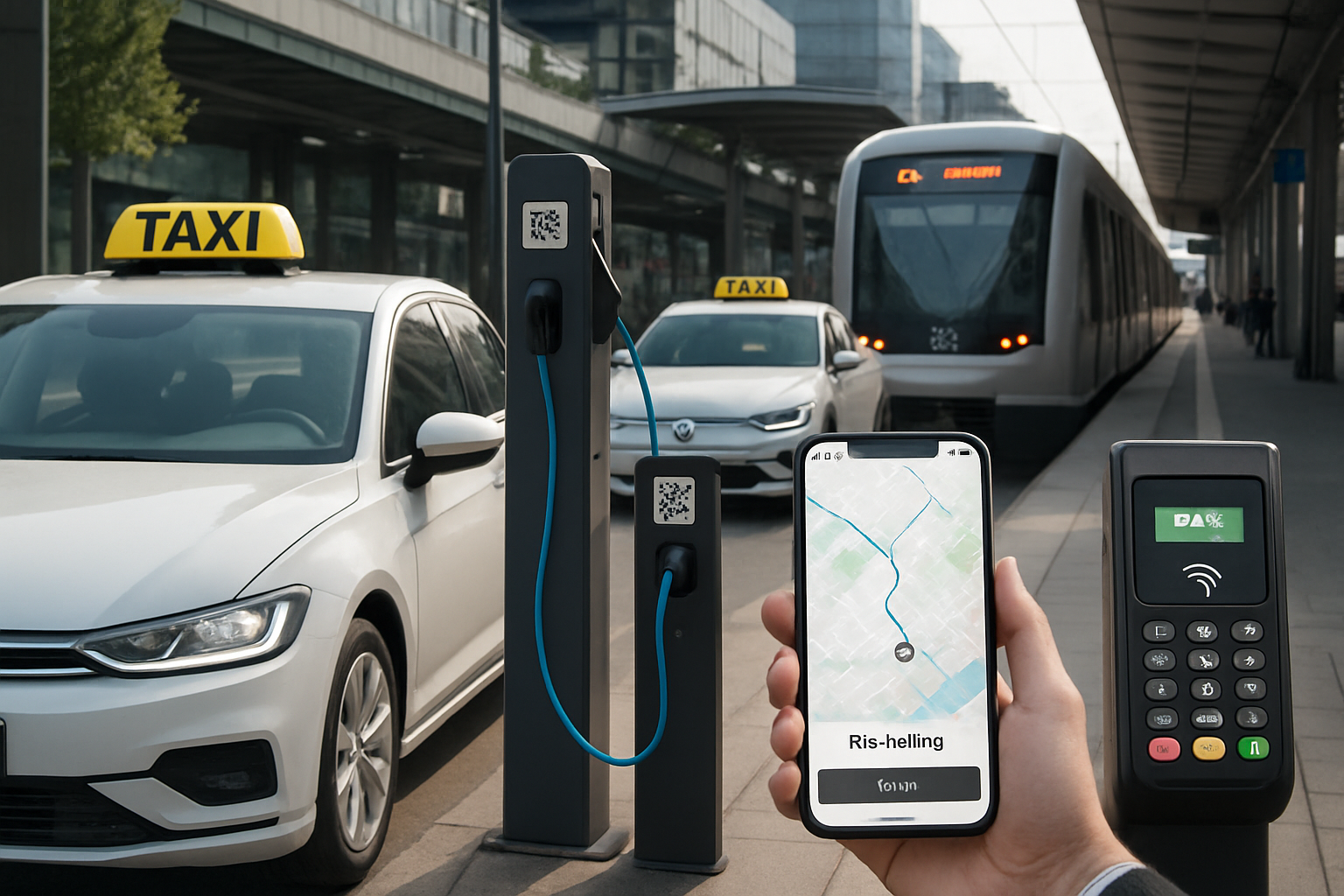
Transportation systems across four continents are experiencing unprecedented strain as Bolivia prepares new taxi fare structures with GPS tracking, Kuwait suspends critical vehicle services due to technical failures, and a pedestrian accident in Micronesia highlights global infrastructure vulnerabilities.
The latest developments expose the fragile intersection between advancing transportation technology and aging infrastructure, as climate pressures and digital dependencies create cascading failures across essential mobility services worldwide.
Bolivia Advances Smart Taxi Technology
La Paz municipality is set to present new taxi tariffs on Monday alongside advances in GPS system implementation, marking a significant step in Bolivia's transportation modernization efforts. The initiative, coordinated with the Chuquiago Marka Transport Federation, was briefly postponed due to ongoing discussions between transport representatives and the central government regarding fuel quality concerns.
Mayor Iván Arias confirmed that the new fare structure for taxis and radio taxis has been agreed upon with the transport sector. The GPS tracking system represents a crucial safety and control enhancement for urban transportation, addressing long-standing concerns about passenger security and service monitoring in Bolivia's capital region.
"The new structure for taxis and radio taxis will be presented in coordination with the Federation of Transport Chuquiago Marka, following sector consultations."
— La Paz Municipal Government
This development builds on Bolivia's remarkable electric vehicle growth, which has achieved 2,700% adoption rates over recent years, dramatically exceeding global averages. The GPS implementation represents part of broader Latin American efforts to integrate smart technology with traditional transportation services.
Kuwait Digital Infrastructure Crisis
Kuwait's "Sahel" digital platform experienced critical failures affecting essential vehicle services, forcing the suspension of vehicle ownership transfer and renewal services provided by the Ministry of Interior. The technical malfunction within the insurance regulation unit's systems disrupted thousands of citizens attempting to complete vehicle transactions.
The Government Communication Center announced that authorities are working to address the technical fault and restore services "as quickly as possible." The incident highlights the vulnerabilities inherent in digitized government services, particularly for essential transportation-related procedures.
Kuwait's experience reflects broader global challenges with digital transformation in transportation services. As nations increasingly rely on integrated digital platforms for vehicle registration, payment systems, and service delivery, technical failures create significant disruptions for citizens and businesses dependent on reliable transportation networks.
Micronesia Traffic Safety Emergency
A serious pedestrian accident on Beach Road in San Jose, Micronesia, underscores persistent global transportation safety challenges. A 69-year-old man was struck by a white Toyota Prius while crossing in a marked crosswalk, despite other vehicles having stopped and activated hazard lights to ensure safe passage.
According to the Department of Public Safety, the incident occurred when the Prius moved from the inner to center lane and struck the pedestrian, who was thrown onto the roadway after hitting the front windshield. The victim was conscious when officers arrived but sustained head injuries and visible abrasions.
This tragedy exemplifies broader patterns documented in transportation safety research. Global data shows that pedestrian accidents remain a leading cause of traffic fatalities, with infrastructure design often failing to adequately protect vulnerable road users despite marked crosswalks and traffic control measures.
Climate and Infrastructure Vulnerabilities
Transportation networks worldwide are operating under conditions they were never designed to handle. January 2026 marked the 18th consecutive month of global temperatures exceeding 1.5°C above pre-industrial levels, creating operational challenges for infrastructure designed for historical climate patterns.
Recent analysis shows that extreme weather events are exposing critical vulnerabilities in transportation systems. From flooded roadways in Africa to storm-damaged railways in Europe, climate change is forcing a fundamental reassessment of infrastructure resilience requirements.

Technology Integration Challenges
The transportation sector faces a complex balancing act between technological advancement and system reliability. While Bolivia's GPS taxi tracking represents progress in service quality and safety monitoring, Kuwait's digital service failure demonstrates the risks of over-dependence on centralized digital platforms.
Global memory chip shortages continue affecting smart transportation systems, with semiconductor prices experiencing sixfold increases expected to persist through 2027. This crisis forces transportation authorities to balance technological sophistication with robust backup systems and redundant capabilities.
Estonia leads global examples of successful technology integration, maintaining 88% renewable electricity for transportation systems while operating Europe's largest battery storage network serving 90,000 households. However, even sophisticated European systems experience vulnerabilities, as Denmark's recent cable damage demonstrated the fragility of digital-dependent transportation networks.
Regional Integration Pressures
Transportation modernization occurs within broader frameworks of regional economic integration. Bolivia's taxi system improvements support South American connectivity objectives, while Kuwait's digital platform development serves Gulf Cooperation Council standardization goals.
The Africa Continental Free Trade Area (AfCFTA) has made transportation network reliability a priority for regional economic development. Recent infrastructure investments across the continent emphasize technology integration, climate adaptation, and cross-border coordination to support expanded trade relationships.
European transportation networks continue advancing despite challenges, with ongoing Rail Baltica construction representing long-term commitment to sustainable connectivity. However, the frequency of weather-related disruptions forces continuous adaptation of operational procedures and infrastructure design standards.
Economic and Social Implications
Transportation system failures create cascading economic effects beyond immediate inconvenience. Each traffic fatality costs societies hundreds of thousands of dollars in lost productivity, medical expenses, and legal proceedings, while digital service outages disrupt business operations and citizen access to essential services.
The global pattern reveals that successful transportation systems require comprehensive approaches addressing multiple challenges simultaneously: technological integration, climate adaptation, safety protocols, economic efficiency, and social equity considerations.
"Transportation infrastructure represents the physical foundation of economic competitiveness and social connectivity in an interconnected world."
— Global Infrastructure Analysis
Urban-rural disparities in transportation access continue widening, with cities benefiting from advanced public transit and ride-sharing services while rural areas face limited options and aging infrastructure. These disparities affect economic opportunities, healthcare access, and educational attainment across populations.
International Cooperation Imperatives
Transportation challenges increasingly require coordinated international responses rather than isolated national approaches. Supply chain vulnerabilities, climate impacts, and technology standardization cross borders and demand collaborative solutions.
Recent successful models include Sweden's Vision Zero approach to traffic safety, the Netherlands' Safe System design philosophy, and Australia's urban speed management programs. However, implementing these proven strategies requires sustained political commitment, international knowledge sharing, and adaptive management approaches.
The ongoing $570+ billion global infrastructure surge demonstrates recognition that transportation networks represent strategic foundations for economic competitiveness, climate adaptation, and international cooperation in the 21st century.
Future Pathway Requirements
Addressing current transportation challenges requires transformative rather than reactive approaches. Success depends on several critical factors:
- Enhanced integration of technology with robust backup systems to prevent service disruptions
- Climate-resilient infrastructure design anticipating future rather than historical weather patterns
- Comprehensive safety protocols protecting vulnerable road users like pedestrians and cyclists
- International cooperation frameworks for sharing best practices and coordinating responses
- Sustainable financing models supporting long-term infrastructure maintenance and upgrades
The convergence of technological advancement, environmental awareness, and international cooperation offers opportunities to create transportation systems serving immediate mobility needs while building foundations for sustainable prosperity. However, the window for effective action continues narrowing as challenges intensify and solutions require unprecedented speed and coordination.
March 2026 represents a watershed moment in global transportation policy, where choices between transformative adaptation and reactive crisis management will determine societies' ability to thrive in an interconnected yet climate-challenged world.