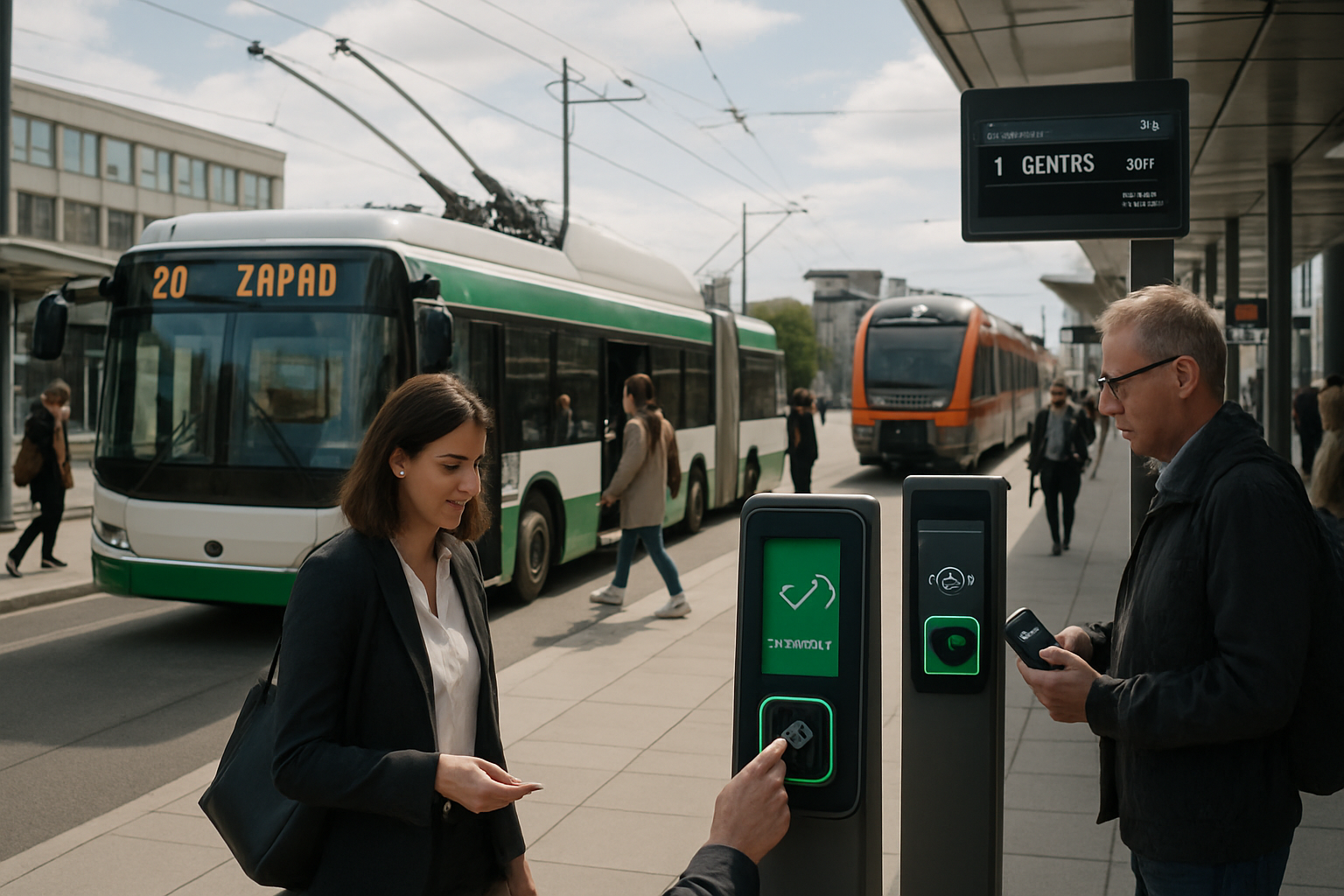
A global transportation revolution is accelerating as cities worldwide implement digital payment systems, electric mobility solutions, and smart infrastructure, with significant developments this week across Bulgaria, Latvia, and New Zealand demonstrating the unprecedented scope of international coordination in public transit modernization.
In Bulgaria, rising fuel costs are placing unprecedented pressure on bus operators in Blagoevgrad, despite ticket prices remaining stable for passengers. Transport companies warn that mounting operational expenses from diesel price surges are pushing the sector toward unsustainable losses, according to reports from Bulgarian National Television. The crisis highlights the urgent need for electrification and alternative fuel sources as traditional transport models face economic strain.
Meanwhile, Latvia is taking bold action to encourage public transport adoption through a groundbreaking fare reduction initiative. Transport Minister Atis Švinka announced plans to reduce train subscription prices by 50% for three months, targeting an increase of 100,000 to 200,000 monthly passes. This innovative policy experiment represents a significant shift toward accessibility-focused public transportation, positioning Latvia as a leader in transit affordability strategies.
Digital Payment Revolution Transforms Urban Mobility
In Wellington, New Zealand, a major technological leap forward began Sunday as public transport users gained the ability to pay for bus and train fares using credit cards, debit cards, or mobile payments. This contactless payment system represents a fundamental shift from traditional ticketing methods, enabling seamless integration with modern financial technology and reducing barriers to public transit access.
The New Zealand development comes ahead of scheduled fare increases in May, creating a critical window where enhanced payment convenience meets rising costs. This timing reflects the delicate balance cities must strike between technological advancement and affordability—a challenge facing transportation authorities worldwide.
Global Context: $570 Billion Infrastructure Renaissance
These developments occur within an unprecedented $570 billion global infrastructure surge that has transformed transportation networks across continents since early 2026. From Copenhagen's complete bus electrification milestone to Vietnam's emergency metro construction connecting Ho Chi Minh City to Long Thanh International Airport, the scale of coordinated international investment represents the most significant peacetime transportation development initiative in modern history.
"The convergence of technological advancement, environmental awareness, and international cooperation is creating development models that prioritize sustainability alongside economic growth."
— Planet News Global Infrastructure Analysis, March 2026
Estonia continues to lead European sustainable transport innovation with 88% renewable electricity powering its transportation systems, coupled with Europe's largest household battery storage network serving 90,000 homes. The Baltic nation has achieved a remarkable 99.25% EU funding absorption rate—the highest among member states—demonstrating exceptional project management capabilities in infrastructure modernization.
Electric Mobility Revolution Gains Momentum
Bulgaria's Sofia is implementing Eastern Europe's most significant public transportation electrification project, with "Stolichen Elektrotransport" EAD securing contracts for 125 new electric vehicles, including 75 trolleybuses and 50 electric buses, plus comprehensive charging infrastructure. The project encompasses 24 ground-based network changes, new trolleybus lines, and expanded bus connections, positioning Sofia as a sustainable urban mobility leader.
This electrification trend extends beyond individual cities. Countries worldwide are recognizing that electric public transportation provides multiple benefits: reduced operational costs over time, decreased urban air pollution, enhanced energy independence, and contribution to climate adaptation goals as transportation systems face increasing environmental pressures.
Climate Urgency Drives Innovation
The transportation transformation occurs against the backdrop of 22 consecutive months of global temperatures exceeding 1.5°C above pre-industrial levels, creating operational conditions that transportation networks were never designed to handle. This sustained climate volatility has exposed infrastructure vulnerabilities while accelerating innovation in sustainable mobility solutions.
Modern transportation projects now incorporate sophisticated technology integration from the design phase, including real-time monitoring, predictive maintenance, digital payments, and environmental optimization. Climate adaptation has evolved from an optional consideration to a fundamental requirement, with enhanced drainage, weather-resistant materials, and backup power systems becoming standard features.
Economic and Social Impact
The economic multiplier effects of these transportation improvements extend far beyond construction employment. Reduced logistics costs, enhanced market access, and improved business productivity support regional integration initiatives including the African Continental Free Trade Area (AfCFTA) and European Union connectivity objectives.
Latvia's fare reduction experiment specifically addresses social equity concerns, recognizing that accessible public transportation is crucial for social mobility and enables broader population access to employment, education, and essential services. This approach aligns with growing recognition that transportation policy serves as a tool for social justice and economic inclusion.
Technology Integration Challenges
Despite rapid advancement, implementation faces significant challenges. A global semiconductor shortage has created sixfold price increases for smart infrastructure components, expected to persist until 2027 when new fabrication facilities come online. This crisis has accelerated innovation in efficient algorithms and distributed processing systems, making networks more resilient and adaptable despite supply chain constraints.
New Zealand's contactless payment rollout exemplifies successful technology integration that enhances rather than complicates the user experience. By building on existing financial infrastructure, cities can implement sophisticated systems without requiring entirely new technological ecosystems.
International Cooperation Models
The success of these diverse transportation initiatives demonstrates the evolution of international cooperation from traditional aid models toward peer-to-peer knowledge sharing and technical assistance. Estonia's renewable energy leadership provides templates for other nations, while Latvia's fare experiments offer policy innovation that can be adapted globally.
Regional integration increasingly emphasizes transportation connectivity as a strategic foundation for economic competitiveness. Projects like Rail Baltica in the Baltic states, the Costa Rica-Panama railway integration memorandum, and extensive African infrastructure development demonstrate that modern transportation planning transcends national borders.
Future Trajectory and Global Implications
The convergence of developments across Bulgaria, Latvia, and New Zealand represents more than isolated national initiatives—it signals a fundamental shift toward integrated, sustainable, and digitally-enabled transportation systems serving as foundations for 21st-century economic development.
Success factors emerging from global best practices include sustained political commitment beyond electoral cycles, transparent governance frameworks, comprehensive stakeholder engagement, and adaptive management strategies that respond effectively to changing conditions while preserving core objectives.
As cities worldwide face similar challenges—aging infrastructure, climate pressures, economic constraints, and growing demand for sustainable mobility—the coordination demonstrated across these three countries provides a template for addressing interconnected global transportation needs through sophisticated planning that serves immediate community requirements while building sustainable prosperity foundations for decades ahead.
The choice between transformative transportation adaptation and reactive crisis management represents one of the most significant policy decisions of the current decade, with outcomes determining whether societies develop the adaptive capacity necessary to thrive in an increasingly interconnected and climate-challenged world.