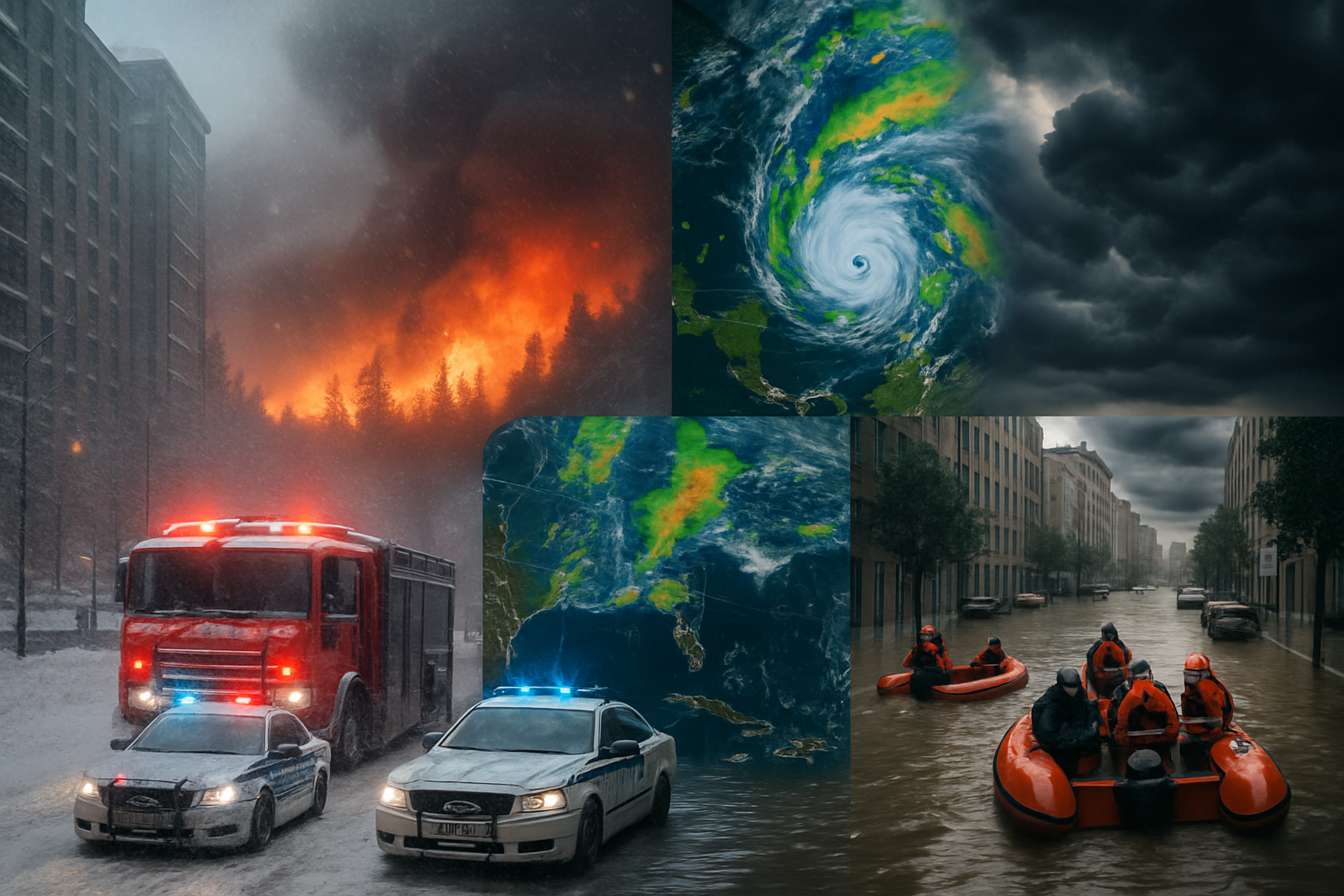
A cascade of extreme weather events across eight countries has demonstrated the accelerating impact of climate change, as simultaneous emergencies from Cyprus to New Zealand strain global emergency response systems and expose critical infrastructure vulnerabilities.
The latest wave of weather disasters spans multiple continents, creating what climate scientists describe as an unprecedented pattern of simultaneous extreme events that challenges traditional emergency response frameworks designed for sequential, regional crises.
Northeast United States Faces Historic Blizzard
The US Northeast is bracing for what meteorologists are calling a potentially record-breaking winter storm, with accumulations expected to reach dangerous levels. The powerful winter system has already triggered mass flight cancellations affecting international travel networks, demonstrating how regional weather events cascade globally.
The blizzard conditions have forced authorities to implement emergency protocols across multiple states, with transportation networks grinding to a halt and emergency services pre-positioning resources. Two fatalities have been confirmed in Maryland after a vehicle was struck by a falling tree during the storm's approach.
"This represents the dangerous new reality where extreme weather events occur simultaneously across multiple continents, overwhelming traditional mutual aid systems."
— Emergency Management Specialist
European Weather System Disruptions Continue
Meanwhile, Cyprus faces an unusual weather pattern with predictions of rain and possible snowfall on the highest peaks of the Troodos mountains—a rare occurrence that underscores the volatility of Mediterranean climate systems. Temperatures are expected to drop significantly below seasonal averages, with winds reaching potentially dangerous levels.
Lithuania is experiencing a temporary halt in snow melting across many regions as negative temperatures take hold, though meteorologists warn this reprieve will be brief as warmer conditions return later in the week.
Southeast Asia Swelters Under Extreme Heat
In stark contrast to the winter conditions affecting northern regions, Malaysia has issued level one hot weather alerts for seven areas in the northern peninsula. The Malaysian Meteorological Department warns of maximum daily temperatures reaching 35-37°C for at least three consecutive days, creating dangerous conditions for outdoor activities and straining energy infrastructure.
The heat wave affects Perlis and six districts in Kedah, including Kubang Pasu, Padang Terap, and Baling, highlighting the extreme temperature variations occurring simultaneously across the globe.
Southern Hemisphere Faces Fire and Flood Threats
New Zealand is confronting multiple weather emergencies, with large grass fires threatening homes near Alexandra in Central Otago. Fire and Emergency services received reports of structures under threat on Springvale Road, requiring immediate evacuation protocols and emergency response coordination.
The fire risks come as the region experiences unpredictable weather patterns that create optimal conditions for rapid fire spread, challenging emergency services already stretched by the global pattern of simultaneous disasters.
Post-Storm Recovery Continues in South America
Peru continues to grapple with the aftermath of the historic winter storm that devastated New York and other northeastern US cities, as melting snow creates hazardous conditions on streets and infrastructure. Local emergency management agencies are warning residents about hidden dangers including black ice, cold water pools, and compromised sewer systems.
The interconnected nature of these weather systems demonstrates how atmospheric patterns in one region can influence conditions thousands of miles away, creating a web of climate impacts that traditional forecasting models struggle to predict accurately.
Tropical Conditions Present Mixed Challenges
Mauritius is experiencing a complex weather pattern with morning sunshine giving way to localized afternoon showers, particularly in the northern sector and central plateau regions. While conditions remain relatively mild compared to other affected regions, the pattern reflects the global atmosphere's increased volatility.
Wind patterns are shifting from southerly to variable directions, with sea conditions ranging from moderate to rough beyond the reefs, affecting maritime operations and coastal activities.
Infrastructure Systems Under Unprecedented Stress
The simultaneous nature of these weather events is exposing critical vulnerabilities in global infrastructure systems designed for historical rather than future climate conditions. Transportation networks, power grids, and communication systems are operating beyond their design parameters as extreme weather becomes the new normal.
Emergency services across affected regions report reaching capacity limits, with traditional mutual aid mechanisms strained when multiple countries face disasters simultaneously. This has prompted calls for fundamental restructuring of international emergency response frameworks.
Climate Science Context
The current crisis occurs during what scientists confirm as the 18th consecutive month of global temperatures exceeding 1.5°C above pre-industrial levels, with January 2026 marking the hottest month in recorded history. This warming trend is overriding natural climate variability, including La Niña cooling effects, creating conditions that enable extreme weather events across diverse geographic regions.
Climate researchers warn that the frequency and intensity of such simultaneous extreme events will continue to increase without immediate and comprehensive climate adaptation measures. The current conditions provide a preview of what may become routine circumstances by the 2030s without significant climate action.
Economic and Social Implications
The economic impact of these simultaneous weather events extends far beyond immediate emergency response costs. Agricultural sectors face mounting losses from both extreme heat and cold conditions, while tourism industries grapple with transportation disruptions and safety concerns.
Supply chains are experiencing significant disruptions as transportation networks struggle to maintain operations across multiple affected regions. The cascading effects are creating ripple impacts throughout global commerce, with recovery timelines extending from weeks to months in the most severely affected areas.
Adaptation Imperatives
The February 2026 weather crisis represents what experts describe as a watershed moment for global climate adaptation. The choice between reactive crisis management and transformative infrastructure approaches is becoming increasingly urgent as extreme weather patterns exceed the adaptive capacity of existing systems.
International cooperation frameworks require fundamental restructuring to address the new reality of simultaneous multi-continental disasters. Traditional emergency response models, based on the assumption that some regions remain available to assist others during crises, are proving inadequate for the current climate reality.
Recovery efforts are emphasizing "build back better" approaches that prioritize climate-resilient infrastructure designed for future rather than historical weather patterns. However, the window for effective climate action continues to narrow as the costs of both adaptation and inaction escalate rapidly.
Looking Forward
As additional weather systems develop across the Atlantic and Pacific, authorities maintain high alert levels and advise populations to avoid unnecessary travel while monitoring rapidly changing conditions. The persistence of extreme weather patterns suggests that February 2026 may represent a new baseline for global climate volatility rather than an exceptional event.
The current crisis underscores the urgent need for comprehensive climate strategies that integrate immediate emergency response capabilities with long-term resilience building, addressing both the symptoms and underlying causes of increasing climate vulnerability across all geographic and economic contexts.