In an extraordinary demonstration of global conservation cooperation, wildlife protection efforts have reached unprecedented levels across three continents, offering hope for endangered species even as Earth experiences its 18th consecutive month of temperatures exceeding 1.5°C above pre-industrial levels.
From the dramatic rescue of captive animals in Argentina to the historic reintroduction of giant tortoises in Ecuador's Galápagos Islands, and the recognition of exceptional wildlife photography from Tonga's waters, February 2026 has emerged as a defining month for conservation science and international environmental cooperation.
Argentina's Compassionate Animal Rescue
A significant wildlife rescue operation began this week in Argentina, where two bears and one tigress from the former Luján Zoo are being transported to sanctuaries in Bulgaria and Amsterdam. This carefully orchestrated relocation represents a major victory for animal welfare advocates who have long campaigned for better conditions for captive wildlife.
The operation, which commenced Monday, involves specialized veterinary teams and international logistics coordinators working to ensure the safe transport of these large carnivores to facilities where they can live in more natural environments. The Luján Zoo, once a popular tourist attraction near Buenos Aires, faced persistent criticism from animal rights organizations regarding the living conditions of its residents.
"This represents a fundamental shift in how we approach captive wildlife management," explained Dr. María Santos, a wildlife veterinarian involved in the operation. "These animals deserve the opportunity to live in environments that respect their natural behaviors and provide appropriate stimulation."
Galápagos Giants Return Home
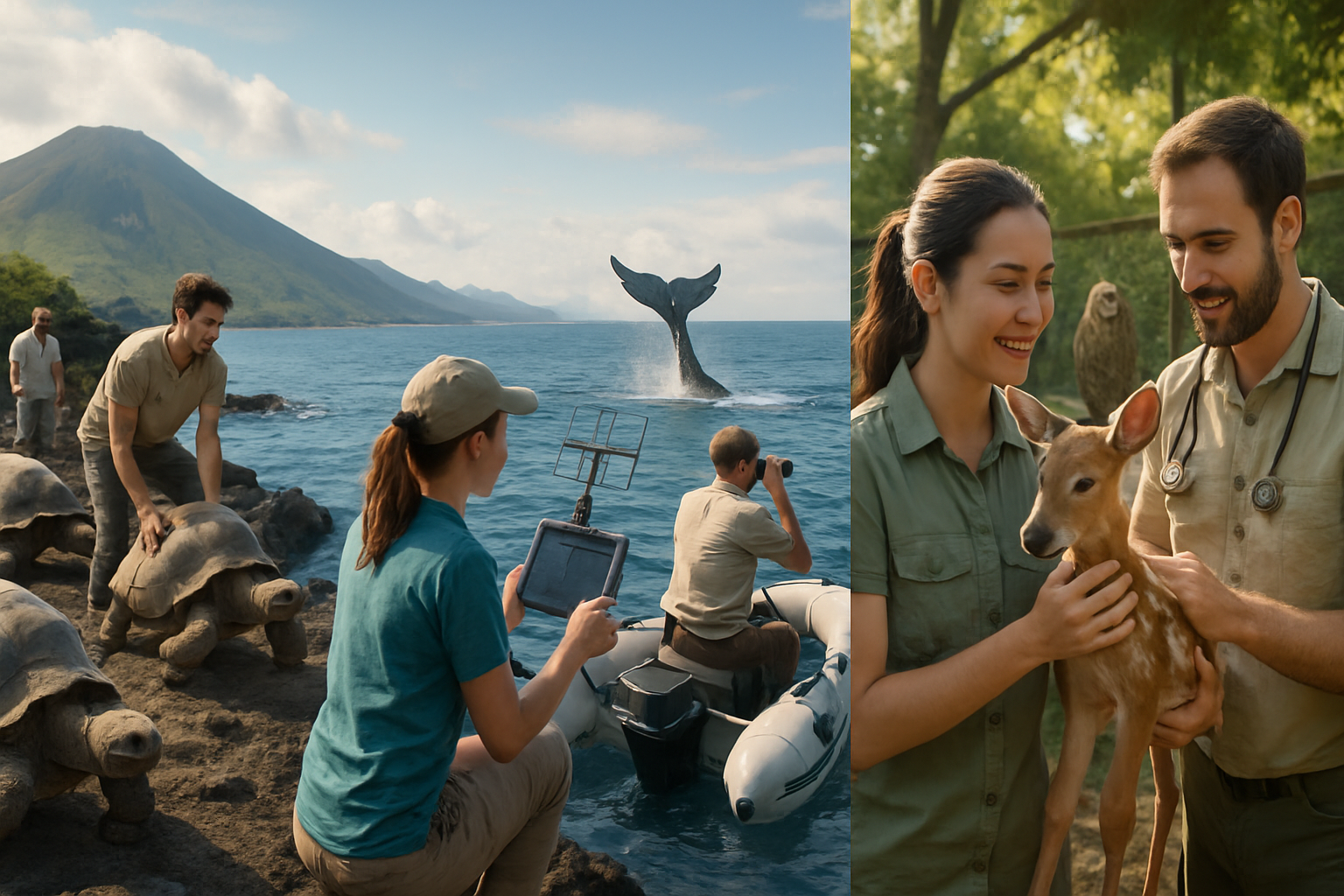
Meanwhile, one of conservation history's most remarkable success stories continues to unfold in Ecuador's Galápagos Islands, where giant tortoises have returned to Floreana Island after an absence of nearly 150 years. Scientists successfully transported 158 juvenile tortoises across seven kilometers of challenging volcanic terrain to their ancestral habitat.
The Floreana Island population, which once numbered approximately 20,000 individuals, was completely eliminated through whaling activities, devastating fires, and human exploitation during the 19th century. The current reintroduction represents the first phase of an ambitious program planning to establish 700 tortoises on the island over the coming years.
"Giant tortoises serve as ecosystem engineers through their grazing patterns and seed dispersal, fundamentally shaping vegetation communities across the islands."
— Dr. Elena Rodriguez, Galápagos Conservancy Lead Scientist
The tortoises' return is expected to restore natural vegetation patterns that have been altered for over a century. These ancient reptiles play crucial roles in their ecosystems, dispersing seeds across vast distances and creating habitat conditions that support numerous other species.
Celebrating Marine Wildlife Through Art
From Tonga's pristine waters comes another conservation triumph: photographer Jono Allen's breathtaking image of Māhina, a rare white humpback whale calf, has been crowned World Nature Photo of the Year. The Queensland photographer captured the striking portrait in Vava'u waters, showing the uniquely colored calf swimming protectively beside her mother.
Māhina, whose name means "moon" in Tongan, represents the extraordinary biodiversity found in Tonga's marine protected areas. The recognition highlights not only the photographer's skill but also the success of marine conservation efforts in protecting critical whale breeding and nursery habitats.
The award brings international attention to Tonga's commitment to marine conservation, particularly its protection of humpback whale populations that migrate thousands of kilometers to breed in these warm, sheltered waters. Such recognition often translates into increased support for conservation programs and sustainable eco-tourism initiatives.
Technology Meets Traditional Conservation
These conservation successes represent a sophisticated evolution in wildlife protection strategies, combining cutting-edge technology with traditional ecological knowledge and community-based management approaches. In the Galápagos, scientists employed advanced genetic screening to ensure maximum genetic diversity in the tortoise population, while satellite monitoring and environmental DNA tracking provide unprecedented insights into ecosystem recovery.
Similarly, the Argentine animal rescue operation utilizes modern veterinary protocols, specialized transportation systems, and international cooperation frameworks that would have been impossible just decades ago. The coordination between multiple countries demonstrates how conservation has become a truly global endeavor.
Conservation During Climate Crisis
These positive developments occur against the backdrop of accelerating climate change, with January 2026 confirmed as the hottest month in recorded history. The persistent elevation of global temperatures creates additional challenges for wildlife conservation, disrupting traditional migration patterns, altering food availability, and forcing rapid ecosystem adaptations.
However, the success of these programs demonstrates that coordinated international action can achieve remarkable results even under challenging conditions. The integration of scientific innovation with community engagement and economic sustainability has proven essential for long-term conservation success.
Economic Dimensions of Conservation
Modern conservation increasingly demonstrates that environmental protection functions as an economic development strategy rather than a regulatory burden. Ecuador's tortoise reintroduction positions the country as a global conservation leader while strengthening the Galápagos eco-tourism sector, which generates substantial revenue supporting both conservation programs and local communities.
Tonga's recognition for whale photography enhances the nation's reputation as a premier marine tourism destination, potentially attracting sustainable development investment and high-value eco-tourism employment. These economic benefits create powerful incentives for continued conservation efforts and community support.
International Cooperation Framework
The success of these diverse conservation initiatives highlights the critical importance of international cooperation in addressing transnational environmental challenges. Wildlife migrations, ocean currents, and ecosystem services cross political boundaries, making coordinated global action essential for effective protection.
The Argentina-Europe animal transfer demonstrates how international partnerships can address animal welfare concerns through collaborative solutions. Similarly, the scientific cooperation supporting the Galápagos tortoise program involves researchers, funding organizations, and expertise from multiple countries working toward common conservation goals.
Challenges and Opportunities Ahead
Despite these remarkable successes, conservation efforts face persistent challenges including funding sustainability, particularly for developing nations where immediate economic pressures often override long-term environmental considerations. Technical capacity building requires sustained investment in education, training, and institutional development.
Climate change continues to disrupt project timelines and operational conditions, requiring adaptive management approaches that can respond to rapidly changing environmental conditions. However, the diversity of successful conservation approaches provides resilience against single-solution dependencies, offering multiple pathways for addressing complex environmental challenges.
Future Implications
February 2026 may prove to be a turning point in global conservation history, demonstrating that coordinated international action can achieve remarkable results in wildlife protection even during Earth's most environmentally challenging period. These success stories provide templates for scaling conservation efforts globally through the combination of scientific excellence, community engagement, technological innovation, and international cooperation.
As the window for effective environmental action continues to narrow, the lessons learned from these diverse conservation initiatives become increasingly valuable. Success depends on sustained international cooperation, enhanced coordination across sectors and scales, and increased financial commitments that recognize environmental protection as essential infrastructure for human prosperity and planetary sustainability.
The remarkable conservation achievements of February 2026 – from the rescued bears finding sanctuary to ancient tortoises reclaiming their island home to the celebrated beauty of a rare white whale – demonstrate humanity's capacity for compassionate, scientifically-grounded action in service of the natural world. These stories offer hope that even in our planet's most challenging era, dedicated conservation efforts can secure a future where both wildlife and human communities can thrive together.