An unprecedented surge in global wildlife conservation efforts is emerging across multiple continents, demonstrating humanity's growing capacity to protect endangered species and restore ecosystems, even as climate change reaches alarming new milestones with March 2026 marking the 21st consecutive month of temperatures exceeding 1.5°C above pre-industrial levels.
From the halls of the United Nations where critical decisions about migratory species protection are being made, to the forests of Sweden where invasive species management reveals nature's resilience to extreme cold, this comprehensive investigation reveals both remarkable conservation successes and sobering setbacks that define our planet's current environmental crossroads.
UN Conference Addresses Global Migratory Species Crisis
At a crucial UN conference in Brazil, international delegates are deliberating enhanced protections for some of the world's most vulnerable migratory species. The snowy owl, hammerhead shark, and giant otter have emerged as priority species requiring immediate conservation intervention, according to sources within the UN Convention on Migratory Species.
These species face mounting pressures from climate change, habitat destruction, and human encroachment. The snowy owl, typically associated with Arctic regions, has been sighted as far south as Ontario, Canada, indicating significant disruption to traditional migration patterns. Meanwhile, hammerhead sharks face declining populations due to overfishing and marine pollution, while giant otters in South American waterways confront habitat fragmentation and water quality degradation.
"The interconnected nature of global ecosystems means that protecting migratory species requires unprecedented international coordination," emphasized a senior UN official familiar with the proceedings.
— UN Convention on Migratory Species Representative
The conference represents a critical evolution in conservation strategy, moving beyond traditional protected areas toward comprehensive ecosystem service management that addresses the full lifecycle needs of migratory species across international boundaries.
Sweden's Invasive Species Management: A Climate Resilience Success Story
In an unexpected conservation victory, Sweden's brutal winter conditions may have provided a natural solution to the country's invasive species crisis. The Obama nungara, a carnivorous flatworm that spread rapidly across Sweden in recent years, appears to have suffered massive population losses due to this winter's extreme cold.
Cajza Eriksson from the County Administrative Board in Skåne reports that search teams are now deploying specially trained dogs to assess surviving populations of the invasive worm. This represents an innovative approach to invasive species monitoring, combining traditional tracking methods with modern conservation science.
The Obama nungara invasion had threatened Sweden's native earthworm populations, which play crucial roles in soil health and ecosystem functioning. The natural population crash due to cold temperatures demonstrates how extreme weather events, while often viewed as destructive, can sometimes restore ecological balance.
Australia Confronts Wildlife Cruelty Crisis
In stark contrast to conservation successes elsewhere, Australia faces a deeply troubling wildlife cruelty incident that has shocked conservationists worldwide. In Victoria's southwest, a koala required euthanization after suffering fatal injuries allegedly from being dragged behind a vehicle.
Wildlife carers report that the animal's injuries were so severe that rehabilitation was impossible, representing not just individual animal suffering but a broader symptom of humanity's troubled relationship with wildlife during this critical environmental period.
This incident occurs against the backdrop of Australia's ongoing struggle to protect its iconic marsupial populations, which face mounting pressures from habitat loss, disease, and extreme weather events that have become increasingly common as global temperatures continue their relentless rise.
Finland's Unexpected Environmental Benefit: Reduced Allergy Season
In an unusual environmental development, Finland is experiencing what may be a record-low birch pollen season, providing unexpected relief for allergy sufferers. This phenomenon illustrates the complex and often unpredictable ways that climate change affects ecological systems.
While reduced pollen might seem beneficial for human health, it also signals potential disruptions to forest reproduction cycles that could have long-term implications for Finland's forest ecosystems. The interconnected nature of environmental systems means that changes in one area often cascade through entire ecosystems in unexpected ways.
Technology-Tradition Integration: The Future of Conservation
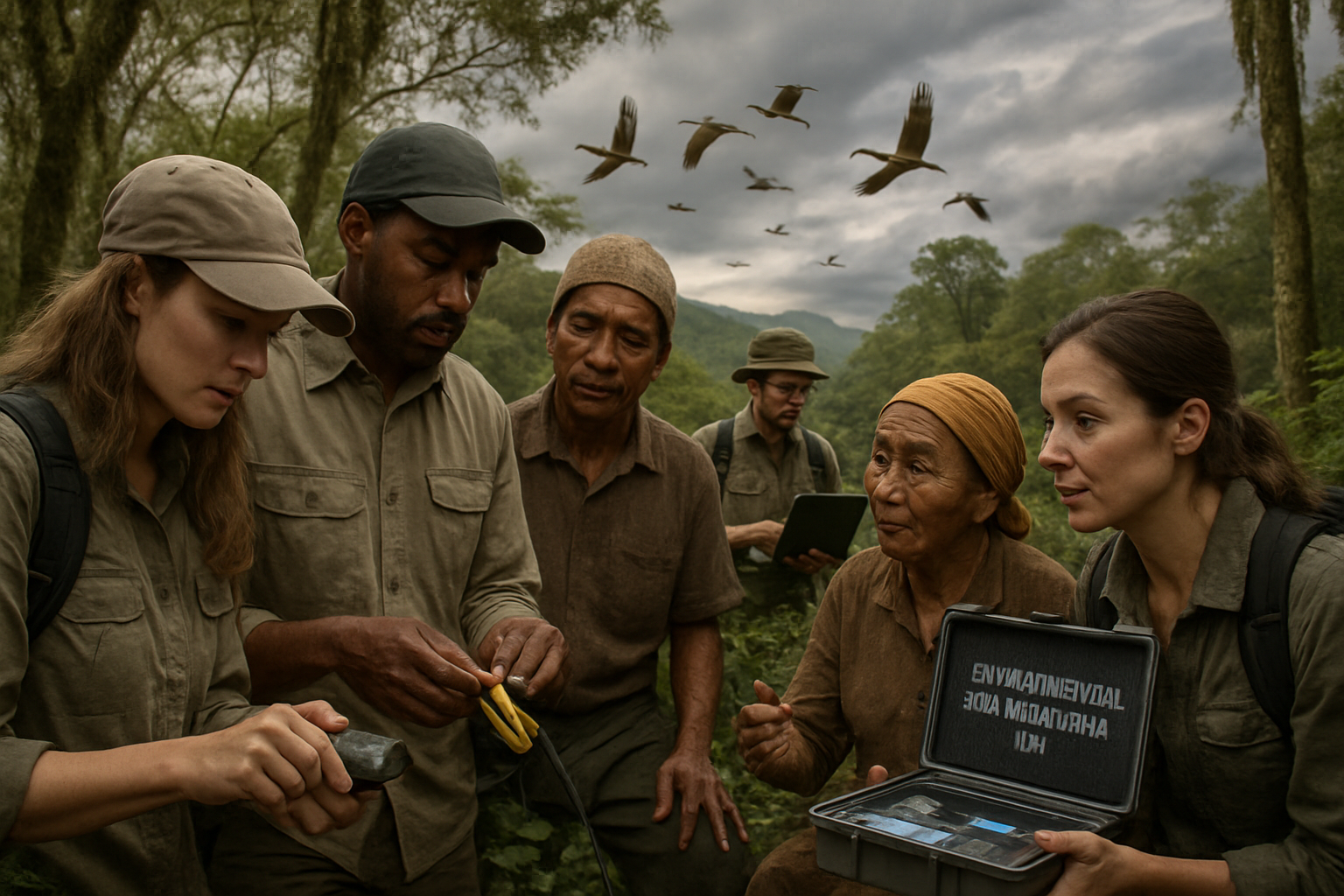
Across all these conservation efforts, a clear pattern emerges: the most successful programs integrate cutting-edge technology with traditional ecological knowledge and community-based management. From UN conferences utilizing satellite monitoring and environmental DNA sampling to Swedish dog teams trained in invasive species detection, modern conservation represents a sophisticated synthesis of scientific innovation and cultural wisdom.
This evolution reflects a fundamental shift in conservation methodology, moving beyond purely technological or traditional approaches toward comprehensive frameworks that combine scientific rigor with cultural sensitivity and community ownership.
Economic Implications of Environmental Protection
Contemporary evidence increasingly demonstrates that environmental protection functions as an economic development strategy rather than a regulatory burden. Countries implementing comprehensive wildlife protection show greater economic resilience and attract sustainable investment across multiple sectors including eco-tourism, environmental technology manufacturing, and green services.
The economic multiplier effects extend beyond direct environmental sectors. Improved ecosystem services support agricultural productivity, reduce infrastructure costs through natural disaster prevention, and enhance international competitiveness through environmental credentials. Countries like Sweden, Finland, and others participating in UN conservation initiatives position themselves as global environmental leaders while building sustainable economic foundations.
Climate Crisis Context: Unprecedented Environmental Pressure
These conservation efforts unfold during Earth's most challenging environmental period in recorded history. January 2026 marked the hottest month ever recorded, extending an unprecedented 21-month streak of temperatures exceeding critical climate thresholds. This sustained warming has overridden natural climate variability, including La Niña cooling effects that typically moderate global temperatures.
The compound environmental effects create ecosystem stress that traditional conservation approaches struggle to address. Rising sea levels threaten coastal ecosystems, changing precipitation patterns affect forest regeneration, and increased extreme weather frequency disrupts marine food chains and terrestrial habitats. Wildlife migrations developed over millennia are being disrupted, forcing species into closer contact with human populations and creating new conservation challenges.
International Cooperation: Essential but Strained
The transnational nature of environmental challenges demands unprecedented cooperation, as ocean currents, atmospheric systems, and species migrations cross political boundaries, making unilateral conservation efforts insufficient. Success requires coordinated policy frameworks, shared monitoring systems, collaborative enforcement, and innovative financing mechanisms that recognize the economic value of ecosystem services.
However, traditional cooperation mechanisms designed for stable regional conditions are struggling with the speed and scale of current environmental changes. The simultaneity of crises across multiple continents is testing emergency response systems that were designed for sequential rather than concurrent disasters.
Critical Action Window: A Decisive Moment
March 2026 represents a critical juncture in global environmental protection—a choice between reactive crisis management and proactive ecosystem service management that could determine whether conservation efforts keep pace with accelerating environmental change during this decisive climate action decade.
The environmental action window is narrowing rapidly as ecological systems approach critical thresholds that could trigger irreversible changes affecting global food security, climate stability, and human settlements. However, the tools, knowledge, and cooperation frameworks exist for comprehensive environmental protection, as demonstrated by the diverse international initiatives examined in this investigation.
"The choice we make in 2026 between reactive crisis management and proactive ecosystem service management will determine conservation approaches for decades ahead, potentially decisive for human adaptive capacity in protecting the environmental systems on which all life depends."
— Environmental Policy Analyst
Implementation Challenges and Solutions
Despite remarkable progress in various conservation initiatives, significant implementation challenges persist. Funding sustainability remains critical for developing nations where immediate economic pressures often override long-term environmental considerations. Technical capacity building requires sustained investment in education, training, and institutional development. Climate change continues disrupting project timelines, demanding adaptive management strategies that can respond to rapidly changing conditions.
Success factors consistently emerge across effective conservation programs: community ownership and engagement, transparent governance frameworks, economic incentives that make protection financially viable, and integration of traditional ecological knowledge with modern conservation science.
A Conservation Renaissance in the Making
The convergence of international environmental initiatives, technological innovation, community engagement, and scientific excellence suggests the emergence of what could be termed a "global conservation renaissance." This represents a fundamental evolution from reactive crisis management to proactive ecosystem service management, emphasizing community participation, technological integration, and economic viability as essential components of sustainable conservation.
From the UN's coordinated approach to migratory species protection to Sweden's innovative invasive species management, from Finland's ecological monitoring to the sobering lessons from Australia's wildlife cruelty case, these developments provide both hope and urgent warnings about our planet's environmental trajectory.
The success or failure of current environmental initiatives may prove decisive for conservation approaches in the decades ahead, influencing global biodiversity protection, climate adaptation, and sustainable development strategies for generations. As Earth experiences its most challenging environmental period in recorded history, the integration of cutting-edge technology with traditional ecological wisdom offers pathways for maintaining planetary habitability—but only if implemented with unprecedented urgency and coordination.
The window for effective environmental action continues narrowing, but the convergence of innovation, cooperation, and commitment demonstrated across these five continents offers hope that humanity can organize and implement solutions rapidly enough to protect the essential natural systems on which all life depends.