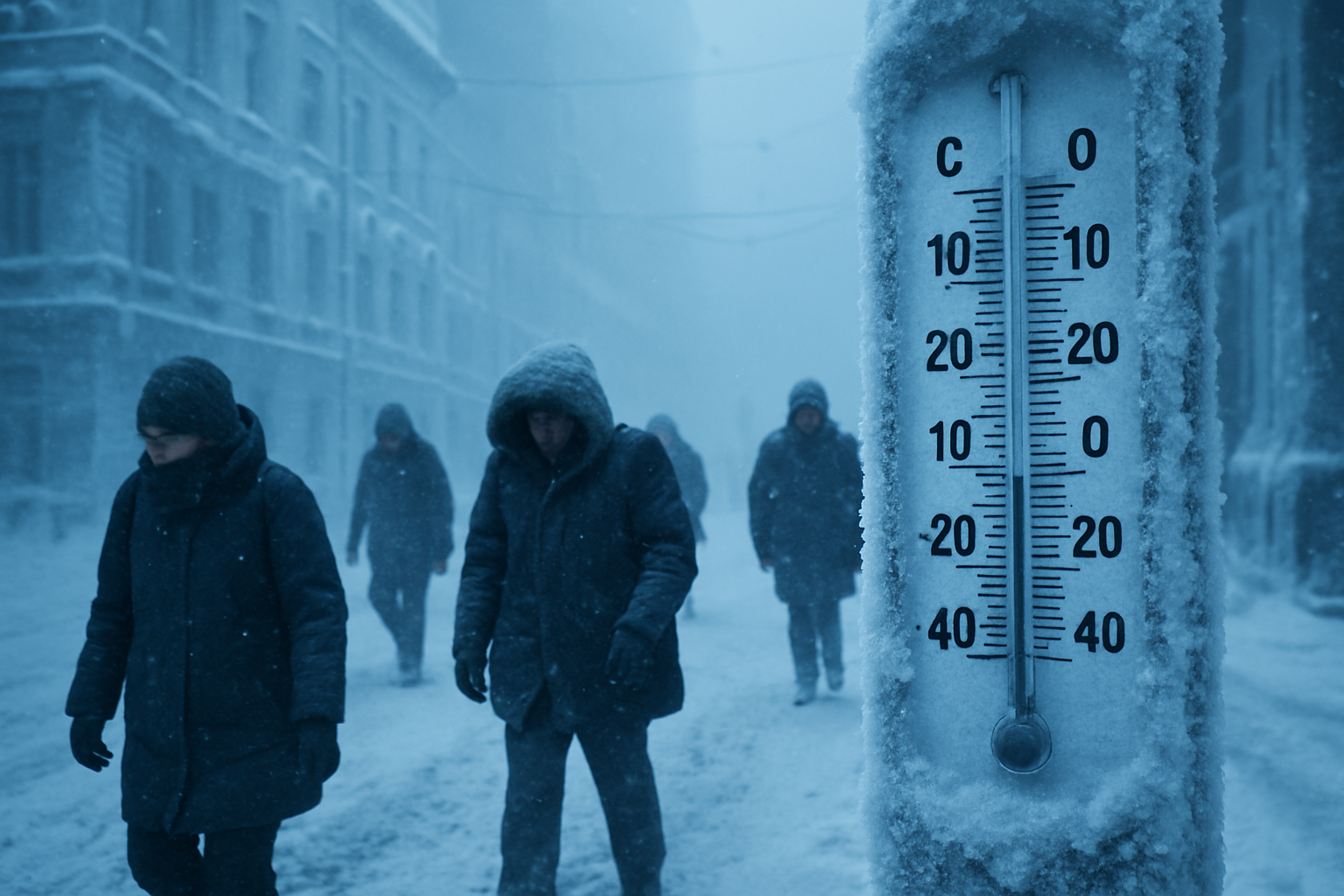
A devastating wave of extreme winter weather continues to grip multiple continents, with record-breaking cold temperatures claiming dozens of lives from New York City to Central America, as meteorologists warn this could mark the most severe global winter weather event in recent history.
The crisis has now spread far beyond its North American origins, with regions traditionally known for warm climates experiencing historically unprecedented freezing conditions. In New York City alone, authorities have confirmed at least 16 deaths linked to hypothermia during an 11-day streak of sub-zero temperatures, while Central American countries are recording their lowest temperatures in decades.
New York Faces Historic Cold Wave
New York City Mayor Zohran Mamdani announced Monday that 16 people have died from hypothermia-related causes since the current cold snap began, marking one of the deadliest winter weather events in the city's recent history. The fatalities occurred during what could become "the longest period" of consecutive freezing temperatures the metropolis has experienced.
According to official statistics, New York typically records between 9 and 27 cold-related deaths annually during the period from 2005 to 2021. The current death toll already approaches the upper end of that annual range in just 11 days, highlighting the unprecedented severity of this weather event.
"None of the victims were sleeping on the streets at the time of their death, but some had previously used emergency housing services,"
— Zohran Mamdani, New York City Mayor
The victims were found outdoors, with three additional deaths attributed to drug overdoses rather than cold exposure. City officials have activated emergency warming centers and are conducting increased outreach to vulnerable populations.
Central America Experiences Historic Freeze
In an extraordinary meteorological event, Central America is experiencing what authorities are calling an "exceptional cold wave" affecting primarily Guatemala, Honduras, and El Salvador. Guatemala has recorded the most dramatic temperature drops, with some mountainous areas reaching as low as -2°C (-6°F) - temperatures virtually unheard of in the region's modern meteorological history.
The Guatemalan National Institute of Seismology, Volcanology, Meteorology and Hydrology (Insivumeh) reports that western communities are experiencing temperatures between 0°C and -6°C (32°F to 21°F), with widespread frost formation creating landscapes that residents describe as "frozen" and "unprecedented."
Remarkably, while these extreme conditions occur parallel to the severe winter weather in the United States, Central American meteorological authorities do not directly associate the two phenomena, suggesting potentially separate but simultaneous weather systems are at work.
European Nations Battle Extreme Conditions
Poland is experiencing some of its harshest winter conditions in years, with the national meteorological service IMGW issuing warnings across 13 provinces. Temperatures have plummeted below -20°C (-4°F) in many areas, with wind chill making conditions feel even more severe.
The Institute of Meteorology and Water Management has declared that Monday night into Tuesday could mark the coldest night of the year so far, with dangerous frost warnings in effect across most of the country. Local reports indicate that evening temperatures in some regions already dropped below -20°C, creating potentially life-threatening conditions.
Mexico City Under Cold Alert
Even Mexico City, typically known for its temperate climate, has activated emergency cold weather protocols. The Secretary of Comprehensive Risk Management and Civil Protection (SGIRCP) has issued dual cold alerts for at least seven boroughs, including orange-level warnings for Milpa Alta and Tlalpan.
Authorities forecast temperatures between 1°C and 3°C (34°F to 37°F) from midnight until 8:00 AM Tuesday, prompting officials to open warming centers and issue public safety advisories.
Florida Breaks Temperature Records
Florida, a state synonymous with warm weather and beach tourism, experienced temperatures as low as 1.6°C (35°F) during the winter storm system. The unprecedented cold in the Sunshine State created conditions similar to those typically found in Alaska, breaking numerous local temperature records and forcing authorities to issue frost warnings across the southern regions of the state.
The extreme weather in Florida represents one of the most dramatic examples of how this winter weather system has affected regions far outside typical cold-weather zones.
Global Pattern Emerges
Meteorologists are increasingly viewing these simultaneous extreme weather events as part of a larger pattern affecting the Northern Hemisphere. The widespread nature of the cold temperatures - spanning from arctic regions through temperate zones and into traditionally tropical areas - suggests complex atmospheric dynamics are at work.
This global winter crisis follows recent extreme weather events across Europe, where countries like Portugal, Finland, and Lithuania have experienced infrastructure failures, evacuations, and emergency responses due to severe winter conditions.
Emergency Response Escalates
Governments across affected regions have activated emergency protocols:
- New York City has expanded warming center capacity and increased street outreach
- Central American countries have issued public health advisories for highland communities
- Polish authorities maintain weather warnings across 13 provinces
- Mexico City has opened emergency shelters in affected boroughs
- Florida activated cold weather emergency procedures in affected counties
Public health officials are particularly concerned about vulnerable populations, including the elderly, homeless individuals, and those without adequate heating. The rapid expansion of extreme cold conditions into regions with limited winter weather infrastructure has created additional challenges for emergency response efforts.
Historical Context and Future Concerns
This winter weather crisis represents a continuation and expansion of severe conditions that began affecting North America and Europe in late January 2026. The death toll from winter weather-related incidents has now exceeded 110 people across North America, making this one of the deadliest winter weather events in recent decades.
Climate experts note that while individual weather events cannot be directly attributed to climate change, the increasing frequency and geographic spread of extreme weather events - including unusual cold snaps in typically warm regions - aligns with predictions about climate system disruption.
As this weather emergency continues to evolve, authorities across multiple continents are coordinating response efforts and preparing for potentially extended periods of dangerous conditions. The unprecedented geographic scope of this winter crisis underscores the interconnected nature of global weather systems and the need for international cooperation in emergency response.