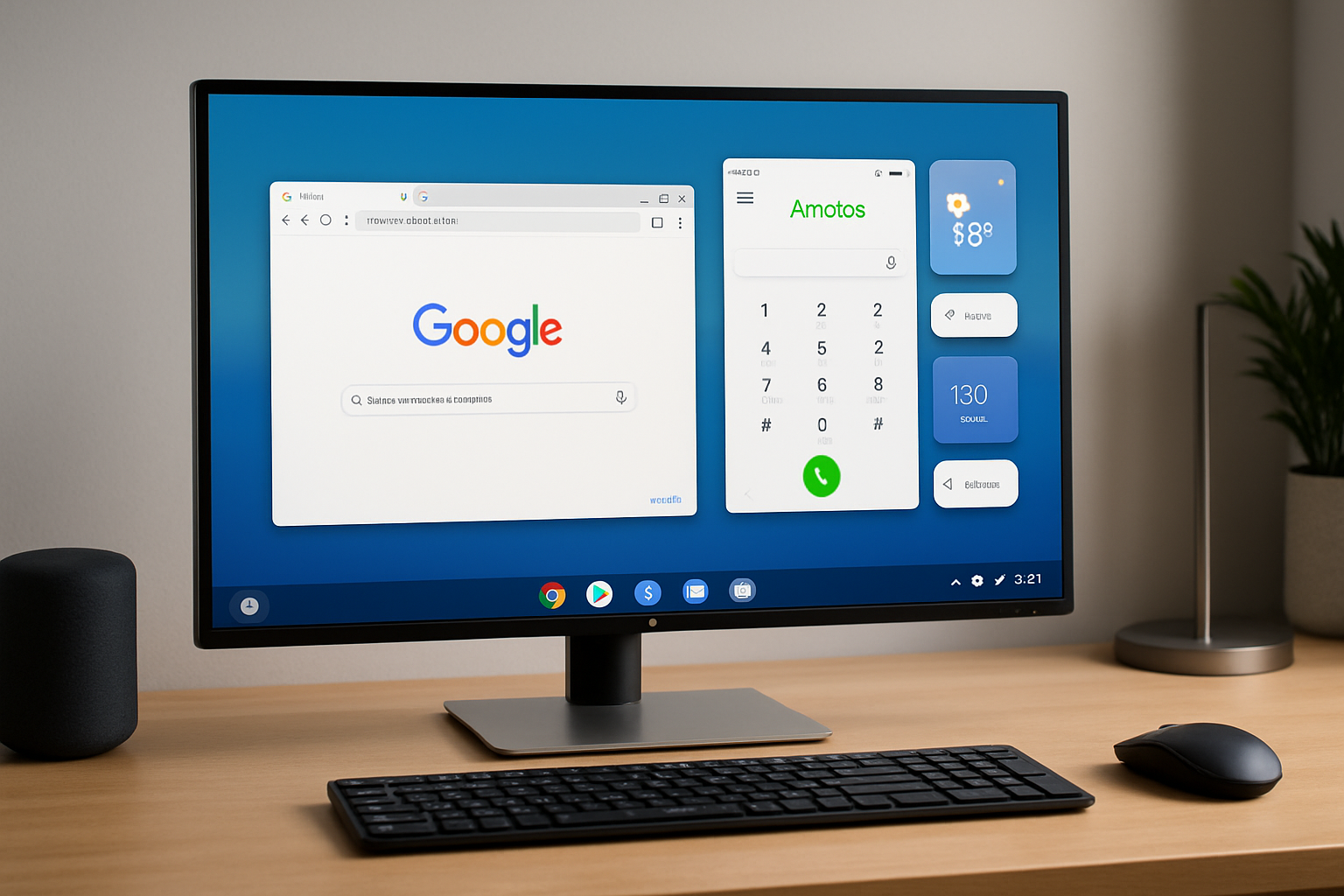
Google's ambitious expansion of Android into the desktop computing space represents one of the most significant challenges to the traditional PC operating system duopoly of Windows and macOS in decades, with current Pixel device users now able to preview what could evolve into a formidable competitor to established desktop platforms.
According to Austrian technology publication derStandard.at, users of current Pixel devices can now experiment with early versions of Android's desktop capabilities, marking a crucial developmental milestone in Google's strategy to transform its mobile-dominant operating system into a comprehensive computing platform capable of serving traditional PC users.
The Strategic Vision Behind Android Desktop
Google's development of Android for desktop computers represents a natural evolution of the world's most widely-used mobile operating system. With Android commanding over 70% of the global smartphone market, the transition to desktop computing could leverage this massive installed base and developer ecosystem to create a unified computing experience across all device categories.
The timing of this development coincides with several market factors favoring alternative operating systems. The global semiconductor crisis, which has driven memory chip prices up sixfold and constrained hardware availability through 2027, has created opportunities for more efficient, lightweight operating systems that can deliver superior performance on both new and aging hardware.
"Android's mobile-first architecture could provide significant advantages in power efficiency and hardware optimization compared to traditional desktop operating systems designed decades ago."
— Industry Technology Analyst
Technical Architecture and Implementation
Android's desktop implementation builds on the operating system's existing strengths while addressing the unique requirements of traditional PC computing. The platform's Linux foundation provides robust multitasking capabilities, while its mature application framework offers developers familiar tools for creating desktop-class applications.
Key technical advantages include:
- Native touch and gesture support with traditional mouse and keyboard compatibility
- Efficient resource management optimized for both ARM and x86 processors
- Seamless cloud integration through Google's ecosystem
- Advanced security architecture with sandboxed applications
- Support for both Android apps and progressive web applications
The gradual rollout to Pixel device users serves as both a testing ground and proof of concept, allowing Google to refine the desktop experience based on real-world usage patterns and feedback before broader market deployment.
Market Position and Competitive Landscape
The desktop operating system market has remained remarkably stable for decades, with Windows maintaining approximately 75% market share globally, macOS holding around 15%, and various Linux distributions accounting for the remainder. Android's entry into this space could fundamentally disrupt these established positions.
Several factors support Android's potential success in desktop computing:
Developer Ecosystem: Android's massive developer base and mature app store infrastructure provide immediate software availability that has historically been a barrier for alternative desktop operating systems.
Hardware Flexibility: Unlike macOS's hardware restrictions, Android can run on diverse hardware configurations, potentially appealing to budget-conscious consumers and enterprise customers seeking flexibility.
Cloud Integration: Native integration with Google's productivity suite and cloud services appeals to users already invested in the Google ecosystem.
Challenges and Market Obstacles
Despite its potential advantages, Android faces significant challenges in establishing desktop market presence. Traditional desktop applications, particularly specialized professional software, remain predominantly designed for Windows and macOS. Legacy enterprise systems and workflows built around these platforms represent substantial switching costs for organizational users.
The current global technology constraints also present both challenges and opportunities. While semiconductor shortages have increased hardware costs by 20-30% industry-wide, they have also created demand for more efficient operating systems that can deliver better performance on limited hardware resources.

Enterprise Adoption Potential
The enterprise market represents both the greatest opportunity and challenge for Android desktop adoption. Organizations have invested heavily in Windows-based infrastructure, Active Directory systems, and specialized applications that would require significant adaptation or replacement.
However, Android's security model, based on application sandboxing and granular permissions, could appeal to security-conscious enterprises. The platform's cloud-native architecture aligns with modern remote work requirements and could reduce IT management overhead compared to traditional desktop environments.
Google's established enterprise presence through Google Workspace and Chrome OS provides a foundation for Android desktop deployment in organizational settings, particularly for task workers who primarily use web-based applications and productivity suites.
Impact on the Broader Technology Ecosystem
Android's desktop development occurs within a broader context of technological transformation. The rise of artificial intelligence applications, cloud computing, and mobile-first user experiences has reduced dependence on traditional desktop software categories that once served as Windows and macOS moats.
The emergence of AI-powered applications that run efficiently in web browsers or mobile environments diminishes the importance of platform-specific desktop applications. This trend could accelerate Android's viability as a desktop platform by reducing the software compatibility barriers that have historically protected incumbent operating systems.
Timeline and Market Entry Strategy
Google's gradual approach to Android desktop development reflects lessons learned from previous attempts to challenge established platforms. Rather than launching a completely separate desktop operating system, the company is extending Android's capabilities to desktop form factors while maintaining compatibility with existing mobile applications and developer tools.
The current preview availability on Pixel devices suggests a multi-phase rollout strategy:
- Developer and early adopter testing on Google hardware
- Expansion to partner OEM devices
- Broad market availability with hardware certification programs
- Enterprise deployment tools and management capabilities
Implications for Competitors
Microsoft and Apple face their first serious desktop operating system challenge in years. Microsoft's response may accelerate Windows development toward cloud-native architectures and improved mobile integration. Apple's control over both hardware and software provides competitive advantages but also limits market flexibility compared to Android's open ecosystem approach.
The competitive pressure could benefit consumers through increased innovation, better pricing, and more diverse computing options. Enterprise customers might gain additional leverage in vendor negotiations and more choices for organizational computing strategies.
Future Outlook and Market Transformation
Android's desktop development represents more than a simple platform extension—it signals a fundamental shift toward unified computing experiences across device categories. Success would establish Google as a comprehensive computing platform provider competing directly with Microsoft and Apple across all major device segments.
The broader implications extend beyond immediate market share considerations. A successful Android desktop platform could accelerate the transition away from traditional desktop software models toward cloud-based, mobile-optimized applications that work seamlessly across all device types.
"The desktop computing paradigm established in the 1980s is finally facing its first major evolution, driven by mobile-first design principles and cloud-native architectures."
— Technology Industry Observer
For consumers, Android's desktop expansion promises greater choice, potentially lower costs, and improved integration between mobile and desktop computing experiences. The success of this initiative may depend ultimately on Google's ability to convince users that the benefits of platform unification outweigh the costs of transitioning from established desktop environments.
As the technology industry continues evolving toward more integrated, AI-enhanced computing experiences, Android's desktop development positions Google to capture value across the entire spectrum of consumer and enterprise computing, potentially reshaping the competitive landscape for decades to come.