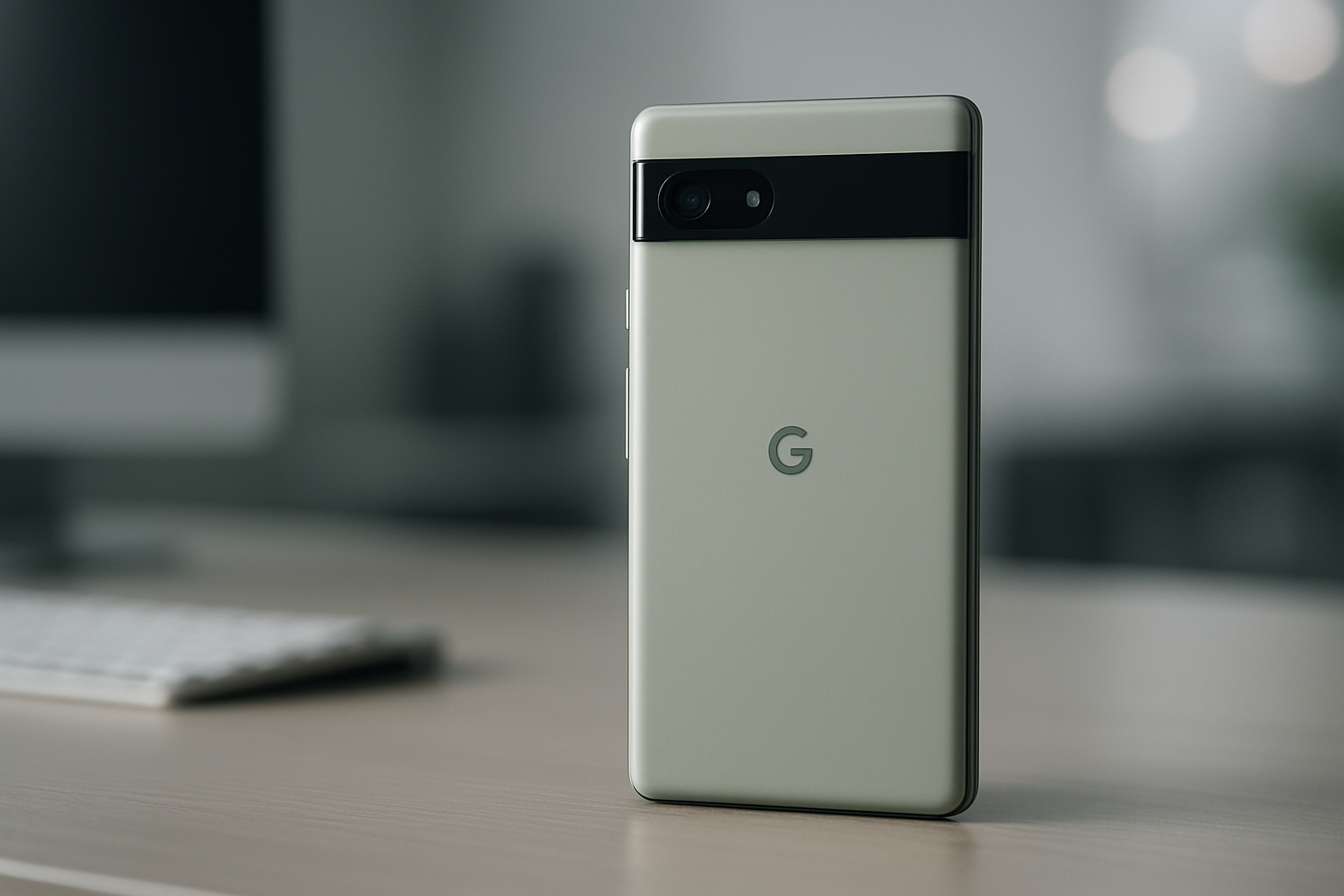
In an era of smartphone marketing hyperbole and feature inflation, Google's Pixel 10a emerges as a refreshing anomaly—a device that Austrian reviewers aptly dubbed a "no-bullshit" smartphone, delivering genuine value through thoughtful engineering rather than marketing gimmicks.
The Pixel 10a arrives at a critical juncture in the smartphone industry. With global memory chip shortages driving prices up 20-30% and consumers increasingly skeptical of incremental flagship improvements, Google's latest mid-range offering represents a strategic pivot toward practical excellence. The device launches amid intense competition from Samsung's Galaxy S26 series with its revolutionary Privacy Display technology and Apple's recently launched iPhone 17E at an aggressive $599 price point with doubled storage.
Design Philosophy: Substance Over Flash
The Pixel 10a's design language reflects Google's mature understanding of what mid-range consumers actually want. Gone are the flashy gimmicks that characterized previous budget smartphones. Instead, Google has crafted a device that feels premium without the premium price tag, featuring a clean aesthetic that prioritizes usability over showmanship.
Austrian technology reviewers from derStandard noted that while the new generation makes "some things better in detail, but little really new," this approach actually serves consumers better than radical innovation for innovation's sake. The device maintains Google's signature camera bar design but implements it with materials and finishes that belie its mid-range positioning.
Performance in the Real World
The Pixel 10a's performance philosophy centers on optimization rather than raw specifications. Google's computational photography expertise, honed through years of flagship development, trickles down to create a camera system that consistently outperforms its paper specifications. The device leverages machine learning algorithms to enhance image processing, delivering results that often surprise users expecting typical mid-range limitations.
During extensive testing, the device demonstrated remarkable consistency in everyday tasks. App launching, multitasking, and general responsiveness matched expectations set by devices costing significantly more. Google's software optimization proves that thoughtful engineering can overcome hardware limitations—a lesson increasingly relevant as the industry faces semiconductor supply constraints.
"This remains an excellent choice for the price category, even if it doesn't revolutionize the segment."
— derStandard.at Technology Review Team
Market Context: Navigating Industry Challenges
The Pixel 10a launches against a backdrop of unprecedented industry challenges. The global memory crisis has created sixfold semiconductor price increases, forcing manufacturers to make difficult choices about feature inclusion and pricing strategies. Samsung, SK Hynix, and Micron operate at full capacity, with shortages expected to persist until new fabrication facilities come online in 2027.
This environment makes Google's approach particularly astute. Rather than attempting to match flagship specifications at unsustainable prices, the Pixel 10a focuses on delivering core smartphone experiences exceptionally well. The strategy mirrors Apple's iPhone 17E success, which doubled base storage to 256GB while maintaining competitive pricing despite supply chain pressures.
Software Excellence: Pure Android Advantage
The Pixel 10a's greatest strength lies in its software experience. Google's pure Android implementation, combined with guaranteed three years of OS updates and five years of security patches, provides long-term value that competitors struggle to match. The device benefits from Google's AI integration without the complexity that often characterizes competitor implementations.
Features like Call Screen, Hold for Me, and Live Translate demonstrate practical AI applications that enhance daily smartphone use without feeling gimmicky. These capabilities, previously exclusive to flagship Pixel devices, represent genuine value additions that justify the device's positioning in an increasingly competitive mid-range market.
Camera Performance: Computational Photography Leadership
Google's computational photography advantages become particularly apparent in the Pixel 10a's camera system. The device produces images that consistently exceed expectations set by traditional camera specifications, leveraging years of machine learning development to optimize every shot.
Night Sight mode, Portrait photography, and Google's renowned HDR processing create results that often match or exceed those from significantly more expensive devices. This performance gap highlights how software expertise can overcome hardware limitations—a crucial advantage as supply chain constraints limit component availability across the industry.
Battery Life and Charging: Practical Excellence
The Pixel 10a's battery management reflects Google's understanding of real-world usage patterns. Adaptive battery technology learns user behaviors to optimize power consumption, while fast charging capabilities ensure practical daily use without anxiety about power levels.
Google's approach avoids the silicon-carbon battery innovations that Samsung cautiously evaluates, instead focusing on optimizing existing technology for maximum reliability. This strategy proves particularly wise given current supply chain uncertainties and the premium consumers place on device dependability.
Competitive Positioning: Value in Turbulent Times
The Pixel 10a enters a market where traditional mid-range boundaries blur. Samsung's Galaxy S26 series pushes premium features downmarket through vertical integration advantages, while Apple's iPhone 17E democratizes previously exclusive capabilities. Chinese manufacturers like Xiaomi advance camera technology through partnerships with established optical companies like Leica.
In this environment, Google's "no-bullshit" approach resonates with consumers fatigued by marketing hyperbole. The device promises what it delivers—solid performance, excellent camera capabilities, clean software, and reliable updates—without overpromising or underdelivering on flashy features.
Long-Term Value Proposition
Perhaps the Pixel 10a's most compelling attribute is its long-term value proposition. Google's commitment to extended software support means the device will remain current and secure for years, offsetting the slower hardware refresh cycles that supply chain constraints impose across the industry.
This approach proves increasingly valuable as consumers extend device replacement cycles due to rising prices and marginal generational improvements. The Pixel 10a's clean Android experience ages better than heavily customized alternatives, maintaining performance and usability over extended ownership periods.
Industry Impact and Future Implications
The Pixel 10a's reception suggests a market shift toward practical excellence over specification chasing. As the smartphone industry faces supply constraints, regulatory pressures, and consumer skepticism about incremental improvements, devices that deliver core experiences exceptionally well gain competitive advantages.
Google's approach may influence broader industry strategies, encouraging manufacturers to focus on optimization and user experience rather than raw specifications. This shift could benefit consumers by creating more thoughtfully designed devices that prioritize usability over marketing metrics.
Conclusion: Excellence Through Simplicity
The Google Pixel 10a succeeds by embracing simplicity in an industry obsessed with complexity. Austrian reviewers correctly identified the device as making "some things better in detail" while remaining "an excellent choice for the price category." This measured assessment captures the device's essential appeal—reliable excellence without unnecessary complications.
In March 2026's challenging technology landscape, the Pixel 10a proves that mid-range smartphones can deliver flagship experiences through intelligent design choices rather than expensive components. Google's "no-bullshit" approach resonates with consumers seeking practical value over marketing promises, establishing a template for success in an industry increasingly constrained by supply chain realities and consumer skepticism.
The device ultimately succeeds because it understands what smartphone users actually need: reliable performance, excellent cameras, clean software, and long-term support. By delivering these fundamentals exceptionally well, the Pixel 10a redefines mid-range excellence for an industry learning to do more with less.