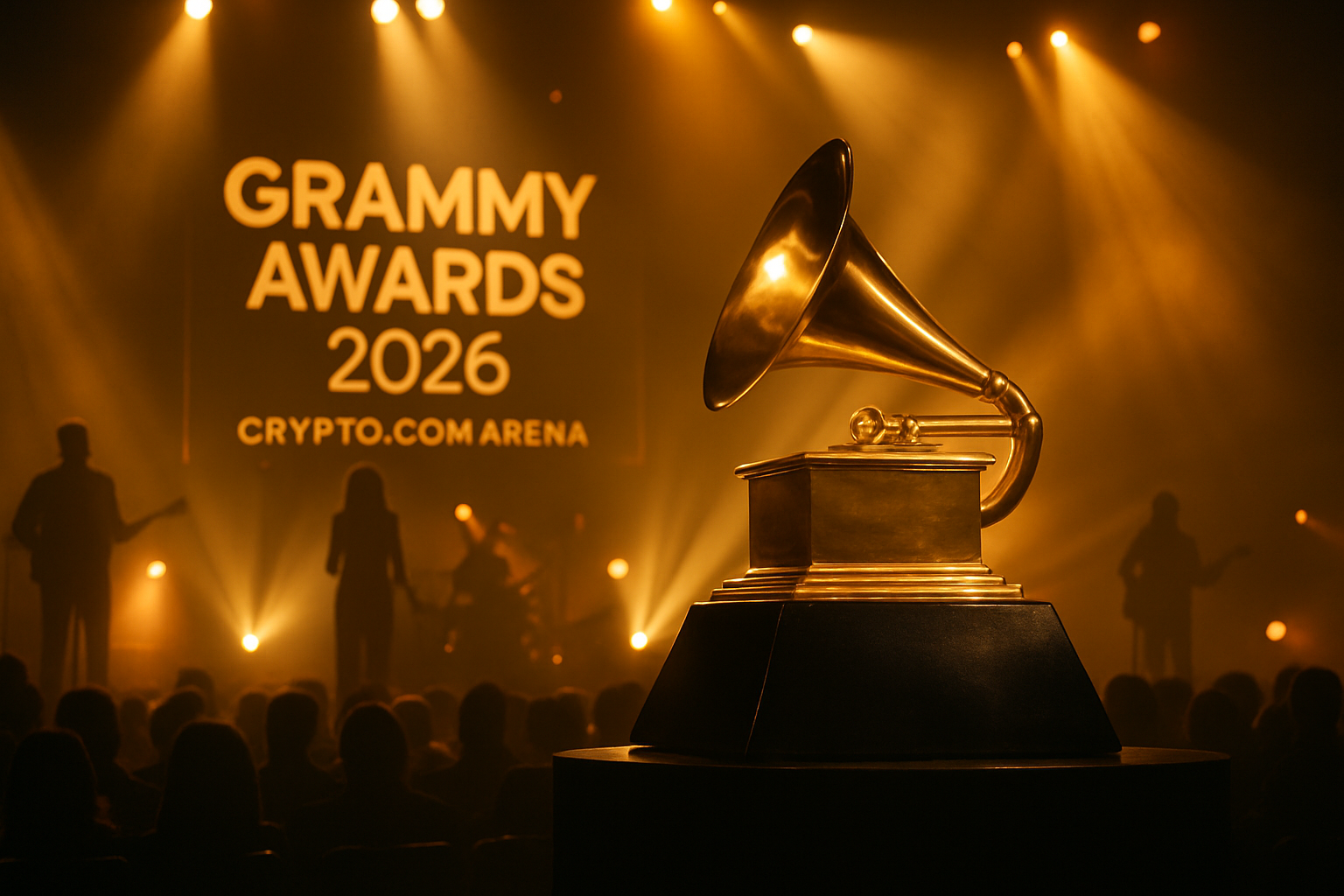
The 68th Grammy Awards transformed from a music celebration into one of the most politically charged ceremonies in recent history, as Bad Bunny made Grammy history by becoming the first Latin artist to win Album of the Year while dozens of stars used the platform to protest the Trump administration's immigration crackdown.
Puerto Rican superstar Bad Bunny claimed the night's top prize for his sixth album "Debí Tirar Más Fotos," marking the first time in the Grammy's 68-year history that a Spanish-language album has won the prestigious Album of the Year award. The victory represents a monumental milestone for Latino representation in the music industry's most prestigious honors.
Historic Win and Powerful Political Message
Bad Bunny's acceptance speech electrified the audience at Los Angeles' Crypto.com Arena as he delivered a passionate defense of immigrants and a direct condemnation of U.S. Immigration and Customs Enforcement (ICE). "Fuera ICE. No somos salvajes, no somos animales, no somos aliens. Somos humanos" (ICE out. We are not savages, we are not animals, we are not aliens. We are humans), the artist declared to thunderous applause.
The artist dedicated his historic victory to immigrants facing persecution, stating: "We are not animals. This award goes to everyone who believes in the power of music to unite rather than divide." His words came amid widespread criticism of aggressive ICE raids in Minneapolis and other cities across the United States.
"This is a historic moment for the entire Latin music community. Bad Bunny's victory opens doors for future Spanish-language artists."
— Music Industry Analyst, quoted in multiple reports
Widespread Artist Resistance
Bad Bunny was far from alone in his political stance. The ceremony became a coordinated platform of resistance as multiple Grammy winners and presenters condemned current U.S. immigration policies. Billie Eilish, who won Song of the Year for "WILDFLOWER" alongside her brother Finneas O'Connell, delivered one of the evening's most pointed criticisms.
"Nobody is illegal on stolen land... Fuck ICE: that's all I want to say," Eilish declared during her acceptance speech, drawing sustained applause from the audience. She continued: "Right now it's very difficult to know what to say and what to do. But I feel very hopeful in this place. We have to keep fighting, raising our voices and protesting, because our voices really matter. People matter."
Other artists joining the political chorus included Olivia Dean and multiple Caribbean artists, who used their platform to highlight immigration issues. Jamaican musician Keznamdi, who won Best Reggae Album for "BLXXD & FYAH," also addressed immigration concerns in his acceptance speech.
Kendrick Lamar's Record-Breaking Night
While politics dominated headlines, Kendrick Lamar achieved a significant milestone by becoming the most awarded rapper in Grammy history. The Compton-born artist won five awards during the ceremony, bringing his career total to 27 Grammys and surpassing Jay-Z's previous record of 25. Lamar was nominated in nine categories and his historic achievement places him among the most decorated artists in Grammy history.
Other Notable Winners
The ceremony celebrated diverse musical achievements beyond the political statements:
- Billie Eilish: Song of the Year for "WILDFLOWER"
- Keznamdi: Best Reggae Album for "BLXXD & FYAH"
- Fela Kuti: Posthumous Grammy Lifetime Achievement Award
- Dutch producer Roselilah: Second Grammy for production work
- South Korean artist "Golden": Grammy recognition celebrated by President Lee Jae Myung
Trinidad and Tobago also made its mark with local talent recognized across music video and classical categories, including producer Jolene Mendes, who was part of the team behind Doechii's Grammy-winning music video for "Anxiety."
Host Trevor Noah Sparks Controversy
Comedian Trevor Noah's hosting performance added another layer of political tension to the evening. Noah opened with pointed humor, referencing recent controversies by stating the show was airing "completely live" because "if we edited any of the show, the president would sue CBS for $16 billion."
The most controversial moment came when Noah made jokes connecting Donald Trump to Jeffrey Epstein, suggesting Trump wanted Greenland to replace Epstein's island. Trump responded swiftly on social media, calling Noah a "complete loser" and threatening legal action, promising to sue him for "a good amount of money."
Industry Response and Cultural Impact
The ceremony's political tone reflected broader tensions in American society regarding immigration policy. Artists wearing anti-ICE pins and making coordinated statements demonstrated the music industry's unified stance against current immigration enforcement practices.
Bad Bunny's victory carries particular significance as it occurs just days before his Super Bowl halftime show performance on February 9, 2026, which has already generated substantial controversy and anticipation. The artist has become increasingly vocal about political issues affecting Puerto Rico and the broader Latino community.
The Grammy ceremony's political charge comes during a period of heightened immigration enforcement, including highly publicized raids in Minneapolis that have sparked nationwide protests and criticism from civil rights organizations.
International Recognition
The ceremony's impact extended globally, with international artists and leaders commenting on both the musical achievements and political statements. South Korea's President Lee Jae Myung congratulated the Grammy win for "Golden," while Norwegian and Swiss media covered the political dimensions of the ceremony extensively.
The Dalai Lama also received a Grammy award, adding another dimension to the ceremony's political undertones, particularly given ongoing tensions between China and the global music industry.
Looking Ahead
The 68th Grammy Awards will be remembered not only for Bad Bunny's historic achievement but also as a defining moment when the music industry collectively took a political stand. The ceremony demonstrated the power of artistic platforms to address social issues and challenge government policies.
As Bad Bunny prepares for his Super Bowl performance and continues his "Debí Tirar Más Fotos World Tour," his Grammy victory serves as both a personal triumph and a broader statement about Latino representation in mainstream American culture.
The evening's events underscore the evolving role of award ceremonies as platforms for political expression, with artists increasingly using their visibility to advocate for social justice causes and challenge governmental policies they oppose.