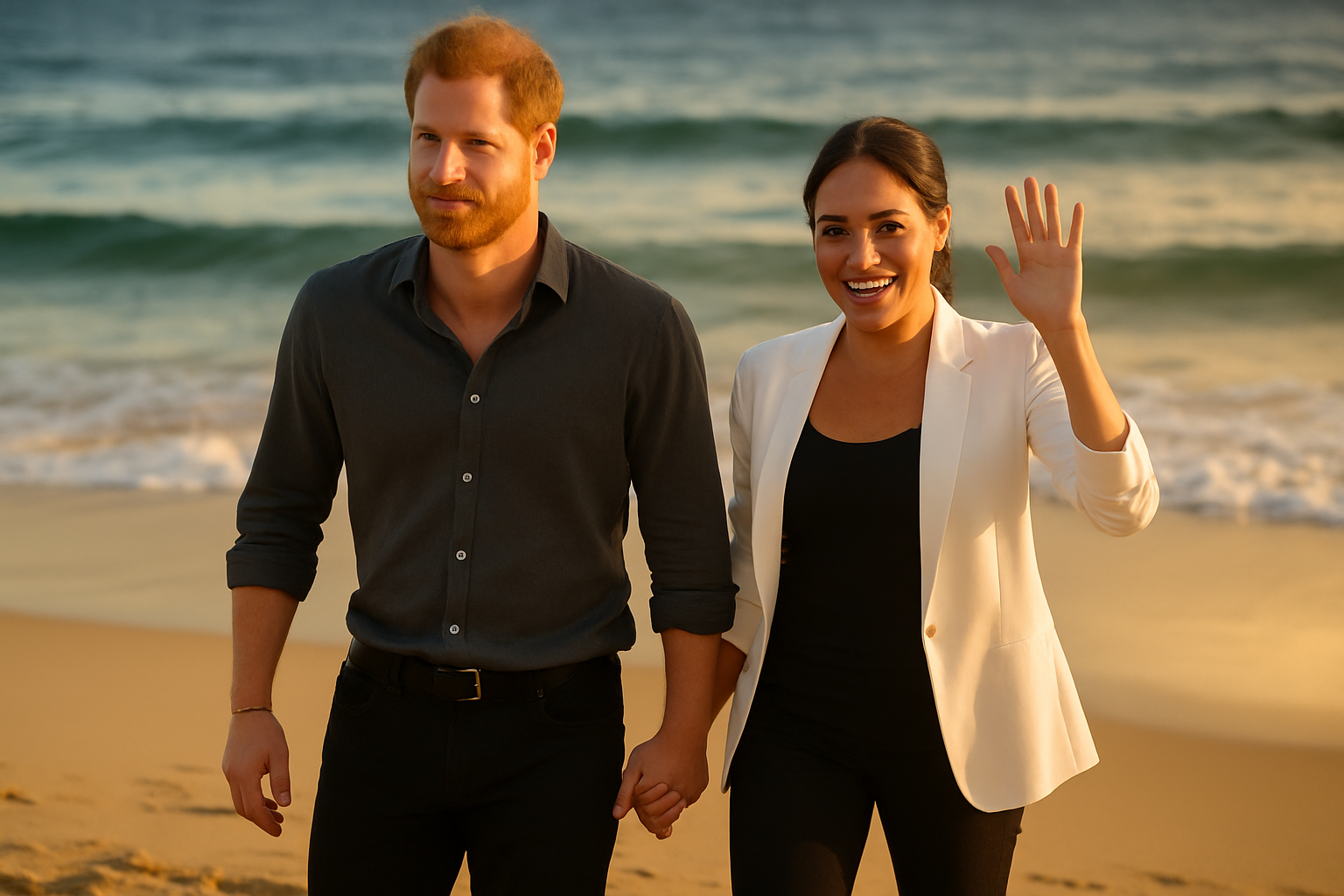
Prince Harry and Meghan Markle concluded their contentious four-day Australia tour at Sydney's Coogee Beach on Friday, with the Duchess offering a friendly wave to reporters as the couple departed amid mounting criticism over taxpayer-funded security costs.
The Duke and Duchess of Sussex's visit to Australia has generated significant public backlash, with an exclusive survey revealing widespread disapproval of public funding for what was billed as a private tour. According to polling data, most Australians agreed on one key point: none of the visit should have been funded by taxpayers.
Taxpayer Funding Controversy
Despite being labelled as a private visit, some of the couple's policing costs were covered by public funds, according to The Sydney Morning Herald. This revelation has sparked outrage among Australian citizens who question why private royal activities should burden the public purse.
The controversy has dominated headlines during what was intended to be a low-key visit focusing on the couple's charitable foundations and personal connections to Australia. The tour represented their first official return to the country since stepping down from senior royal duties in 2020.
A Markedly Different Royal Approach
The 2026 visit stood in stark contrast to Harry and Meghan's transformative 2018 royal tour, which featured state sponsorship, ceremonial protocols, and official transportation. During that visit, the couple announced Meghan's pregnancy with their first child, Archie, making it a pivotal moment in both their personal lives and royal careers.
This time, the couple travelled commercially, stayed in standard accommodations, and focused on authentic community engagement rather than ceremonial events. Their approach represents a fundamental shift from institutional authority toward what royal observers have termed "commercial diplomacy."
The tour included strategic separate engagements as an "experiment" in post-royal diplomacy. Harry participated in Australian Rules football activities with AFL teams while Meghan focused on brand promotion opportunities, marking a departure from traditional joint royal appearances.
Personal Vulnerability and Mental Health Advocacy
During their visit, Prince Harry opened up about fatherhood anxieties, sharing his fears about being "enough" for his children at private Movember events. He told struggling fathers "you're not alone" and discussed his therapy journey – revelations that were rare during formal royal engagements but demonstrate his commitment to authentic mental health advocacy.
"You're not alone. Your children should be an upgrade of yourself."
— Prince Harry, speaking to new fathers in Melbourne
The couple also visited the Royal Children's Hospital Melbourne, where they engaged meaningfully with young patients including four-year-old Lily. Staff described the encounters as deeply moving, with Meghan discussing treatments and recovery while Harry talked aspirations with teenagers.
Mixed Public Reception
While Australian media coverage has remained largely positive, focusing on the couple's continued charitable commitment over royal controversies, the funding issue has created a significant public relations challenge. The exclusive survey findings suggest that regardless of political affiliation, Australians are united in their opposition to subsidizing private royal visits.
Royal commentator Victoria Arbiter noted the significance of the couple's adapted public roles, which maintain core social commitments while operating outside traditional royal frameworks. This approach has been tested during a period of royal family transition, with King Charles facing health challenges and the ongoing Prince Andrew investigation.
Commercial Retreat Plans
Adding to the commercial nature of the visit, reports emerged that Meghan is planning to return to Sydney to host a high-priced retreat for fans. According to sources, the Duchess "can't wait" for the Sydney retreat, which represents another step in the couple's evolution toward a more commercially-aware public engagement model.
Template for Future Royal Engagement
The Australia tour serves as a potential template for how former senior royals can maintain international relationships outside traditional frameworks. The success of their community-focused approach could establish new models for public figures building cross-cultural connections through direct community involvement rather than ceremonial protocols.
This evolution comes as the royal family navigates significant transitions, including King Charles's health challenges and ongoing investigations into Prince Andrew. Harry and Meghan's ability to maintain positive relationships while operating independently could influence how public figures adapt to contemporary expectations while preserving social commitments.
Looking Forward
As the couple departed Coogee Beach, their wave to the Australian media symbolized both an ending and a beginning. While this tour faced criticism over funding arrangements, it also demonstrated their continued commitment to the charitable causes and community connections that drew them to step back from traditional royal duties.
The precedent set by this visit – combining authentic engagement with commercial awareness while navigating public accountability – may well define how contemporary public figures operate in an era where traditional institutions must adapt to democratic values and fiscal responsibility.
Whether this model proves successful long-term will depend on their ability to balance commercial interests with genuine public service, a challenge that extends far beyond the royal family to encompass how celebrity and influence are wielded in the 21st century.