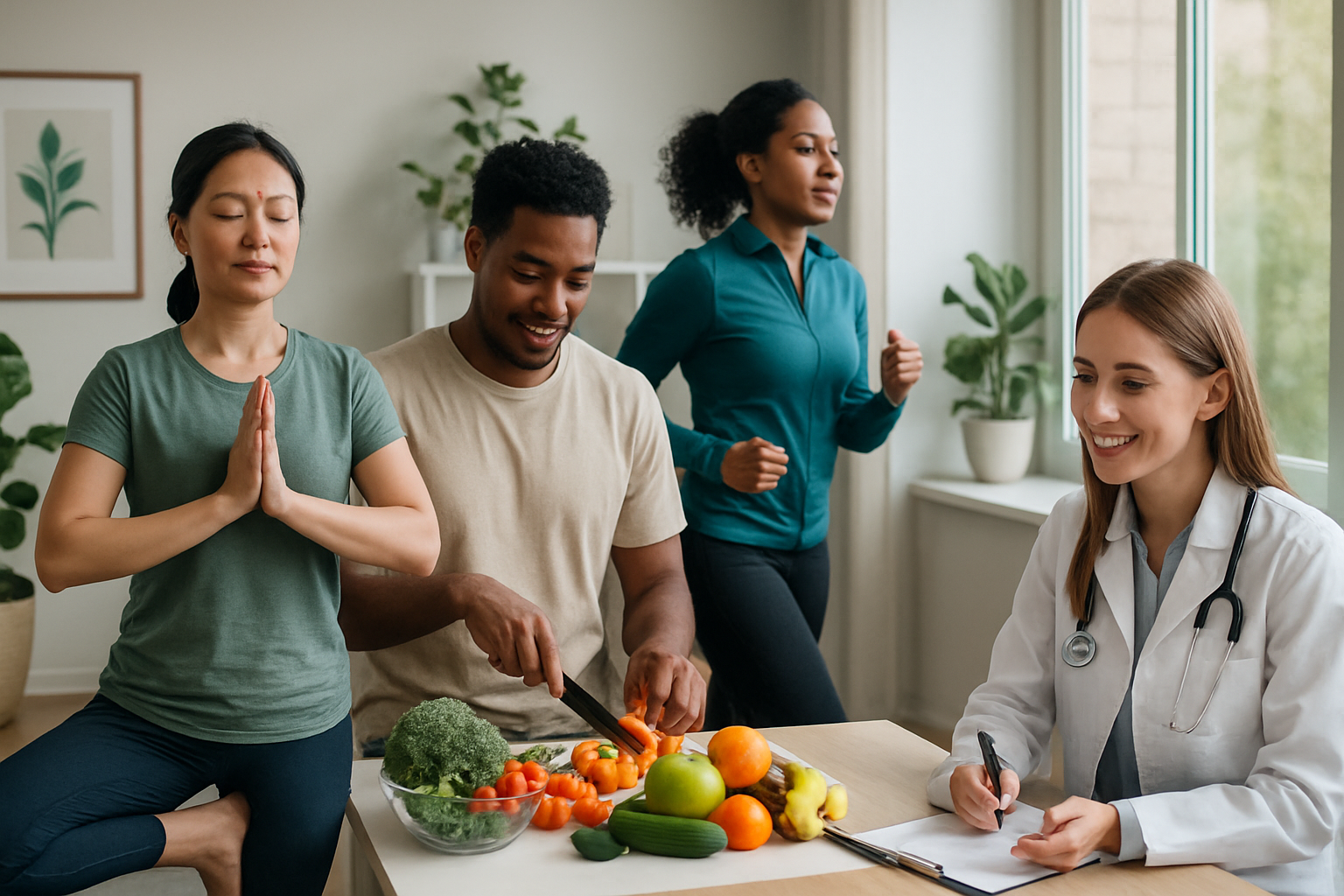
Health experts worldwide are raising concerns about the darker side of wellness culture as 2026 witnesses a surge in orthorexia nervosa cases and extreme health obsessions, while simultaneously providing essential guidance on balanced nutrition and sustainable healthy living practices.
As global awareness of lifestyle-related health issues continues to grow, medical professionals are walking a delicate line between promoting healthy habits and warning against the dangerous extremes that modern wellness culture can foster. Recent reports from Lithuania and Argentina highlight two critical aspects of this complex health landscape: the psychological dangers of obsessive "clean eating" and the importance of personalized self-care routines.
The Hidden Dangers of Perfect Nutrition
Lithuanian health experts have issued warnings about orthorexia nervosa, a condition where the pursuit of healthy eating becomes pathologically obsessive. Unlike anorexia nervosa, which focuses on quantity restriction, orthorexia centers on food quality obsession, leading individuals to eliminate entire food groups in pursuit of "perfect" nutrition.
"When healthy eating becomes a mania, we're looking at a genuine eating disorder," explains Dr. Elena Vasiliauskas, a clinical psychologist specializing in eating disorders at Vilnius University Hospital. "Patients become so fixated on 'clean' foods that they develop severe anxiety around anything they perceive as impure or unhealthy."
"The irony is that in trying to achieve perfect health, these individuals often compromise their physical and mental wellbeing."
— Dr. Elena Vasiliauskas, Clinical Psychologist
The condition has gained particular prominence in the age of social media wellness influencers and "clean eating" trends. Symptoms include obsessive label-reading, extreme anxiety when "safe" foods aren't available, social isolation due to food restrictions, and a sense of superiority over others' eating habits.
Personalized Wellness: Beyond One-Size-Fits-All Solutions
Meanwhile, Argentine researchers are emphasizing the importance of individualized health routines, using hair care as a compelling example of how personal wellness needs vary dramatically between individuals. Their findings challenge the popular notion that universal health rules apply to everyone.
The research, conducted by specialists at the Universidad de Buenos Aires, reveals that factors such as climate, physical activity levels, and individual biology significantly impact personal care needs. "There's no universal rule for hair washing frequency," notes Dr. Carmen Rodrigues, a dermatologist involved in the study. "What works for one person may be completely inappropriate for another."
The Science of Individual Variation
The hair care research demonstrates broader principles applicable to nutrition and wellness. Just as sebum production, scalp sensitivity, and environmental factors determine optimal hair care routines, individual metabolic rates, genetic factors, and lifestyle demands influence nutritional needs.
- Genetic variations affect nutrient absorption and metabolism
- Activity levels determine caloric and hydration requirements
- Environmental factors influence vitamin D synthesis and stress responses
- Age and hormonal status impact dietary needs throughout life stages
Finding Balance in Modern Wellness Culture
Health experts advocate for a middle ground between complete nutritional ignorance and obsessive wellness practices. Dr. Michael Thompson, a nutritionist at the International Institute for Preventive Medicine, recommends what he calls "mindful moderation."
"The goal should be sustainable habits that enhance quality of life, not perfect adherence to rigid rules," Thompson explains. "We need to move away from the all-or-nothing mentality that characterizes both neglectful and obsessive approaches to health."
Evidence-Based Wellness Guidelines
Current research supports several key principles for balanced healthy living:
- Diversity over Restriction: A varied diet including all food groups typically provides better nutrition than restrictive eating patterns
- Individual Assessment: Personal health plans should consider genetics, lifestyle, and preferences
- Mental Health Integration: Wellness practices should enhance, not compromise, psychological wellbeing
- Flexibility: Rigid adherence to rules often leads to failure and guilt
- Professional Guidance: Regular consultation with healthcare providers ensures safe and effective practices
The Role of Technology and Social Media
The rise in orthorexia correlates strongly with increased social media usage and the proliferation of unqualified wellness influencers. Platforms like Instagram and TikTok feature countless individuals promoting extreme dietary restrictions without medical credentials or consideration for individual variation.
"Social media creates an echo chamber where extreme behaviors are normalized and celebrated," warns Dr. Sarah Chen, a psychiatrist specializing in digital wellness at Stanford University. "Young people especially are vulnerable to these influences during identity formation years."
"We're seeing teenagers eliminate entire food groups based on influencer recommendations, often leading to nutritional deficiencies and eating disorders."
— Dr. Sarah Chen, Digital Wellness Psychiatrist
Economic Impact of Wellness Extremes
The financial implications of extreme wellness practices extend beyond individual costs. Healthcare systems worldwide report increased treatments for orthorexia, nutritional deficiencies from restrictive diets, and supplement-related health issues.
In the United States alone, the wellness industry generates over $4.5 trillion annually, with much of this spending on unproven supplements and extreme dietary programs. European health authorities estimate that 15% of wellness-related healthcare visits involve complications from overly restrictive eating patterns.
Global Health Initiatives and Education
In response to growing concerns, the World Health Organization has announced plans to develop global guidelines for healthy lifestyle education that emphasize balance and individual variation. The initiative, scheduled for release in late 2026, will provide frameworks for healthcare providers to address wellness culture's psychological impacts.
Educational institutions are also adapting their health curricula to include critical evaluation of wellness claims and social media literacy. Finland has pioneered programs teaching teenagers to identify pseudoscientific health information and develop personal wellness plans based on evidence rather than trends.
Prevention and Early Intervention
Healthcare professionals emphasize the importance of early identification of problematic wellness behaviors. Warning signs include:
- Extreme anxiety around "unhealthy" foods
- Social isolation due to dietary restrictions
- Obsessive research into food purity and origin
- Feelings of guilt or failure when deviating from strict rules
- Physical symptoms from nutritional inadequacy
Looking Forward: Sustainable Health in 2026
As 2026 progresses, health experts anticipate continued evolution in wellness understanding. The focus is shifting from individual food components to overall dietary patterns, from rigid rules to flexible guidelines, and from aesthetic goals to functional health outcomes.
"The future of wellness lies in personalization without obsession," concludes Dr. Thompson. "We have the scientific tools to understand individual needs better than ever before. The challenge is applying this knowledge in ways that enhance rather than constrain human flourishing."
The emerging consensus among global health authorities emphasizes that true wellness encompasses physical health, mental stability, social connection, and life satisfaction. As the wellness industry continues to evolve, the goal remains clear: helping individuals develop sustainable, evidence-based practices that support long-term health and happiness rather than short-term perfection.
For those seeking balanced wellness approaches, experts recommend working with qualified healthcare providers to develop personalized plans that consider individual circumstances, preferences, and goals while maintaining the flexibility necessary for long-term adherence and overall life satisfaction.